

What makes a knit fluent workflow
"Knit fluent" describes the moment knitting stops feeling like a series of mechanical tasks and starts feeling like a continuous flow state. It is the difference between consciously remembering how to hold the needles and instinctively letting your hands move without interruption. This state isn't just about speed; it's about removing the friction between your hands and the yarn.
Achieving this flow relies heavily on the equipment you choose. A clumsy needle or a tangled yarn bowl can break your concentration instantly, forcing you to stop and troubleshoot. When your tools work smoothly, you can focus entirely on the rhythm of the stitch rather than the mechanics of the motion. This is why selecting specific, high-quality tools matters more than just buying a generic starter kit.
Many knitters mistake fluency for innate talent, but it is largely a result of ergonomic design and reduced resistance. Think of it like a car with a well-tuned engine; you don't have to work as hard to maintain momentum. By choosing needles with the right tip shape and yarn guides that prevent snagging, you create an environment where flow can happen naturally. The right tools act as an extension of your hands, allowing you to knit for hours without the mental fatigue of constant correction.
Top knitting machines for home use
Moving from hand knitting to machine knitting is the fastest way to build a Knit Fluent workflow. While hand knitting offers tactile satisfaction, a home knitting machine provides the mechanical consistency needed for complex patterns like intarsia, cables, and fair isle without the repetitive strain on your hands. The right machine acts as a force multiplier, letting you produce finished garments in hours rather than days.
When selecting a machine, prioritize ease of use over sheer complexity. You want a device that gets out of your way, allowing the mechanics of the knitting process to feel intuitive. Look for machines with clear tension dials, easy-to-read stitch selectors, and smooth carriage movements. The goal is to reduce the cognitive load of tracking stitches so you can focus on the design and flow of your project.
Below are three top-rated knitting machines that balance reliability with user-friendly features, making them ideal for home knitters aiming for a fluent, efficient workflow.

As an Amazon Associate, we may earn from qualifying purchases.
| Brand | Type | Best For |
|---|---|---|
| KnitPro | Manual | Beginners and small projects |
| Passap | Electronic | Complex patterns and speed |
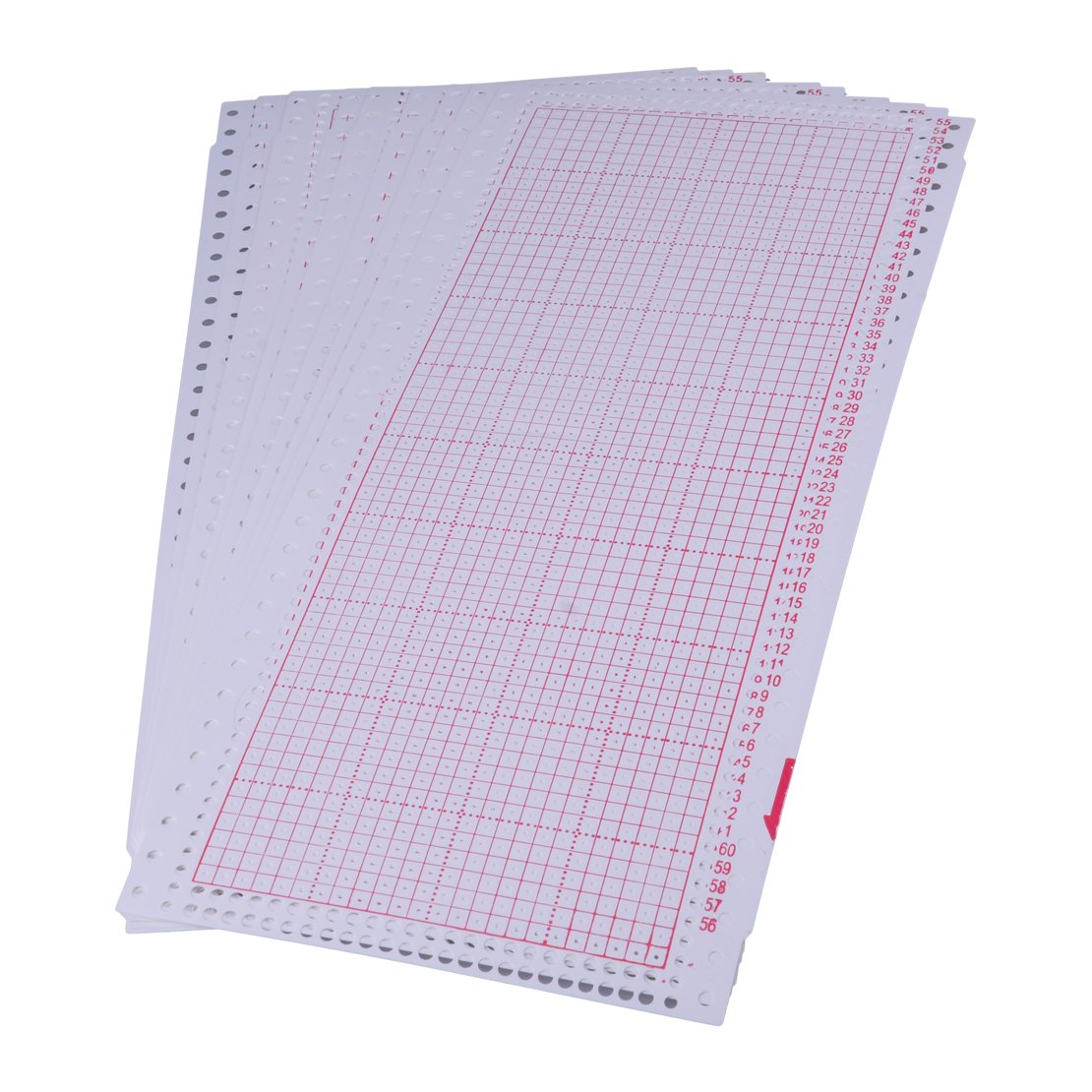
| Brother | Punchcard | Repetitive patterns and reliability |
Essential needles and accessories
To maintain a Knit Fluent workflow, your hand tools must complement your machine setup. The following accessories reduce friction and prevent the interruptions that break flow.
Ergonomic Hand Needles
Even when using a machine, hand knitting remains essential for finishing touches, repairs, and small projects. Choose needles that match your tension style.
- Circular Needles with Flexible Cables: Look for brands like KnitPro or ChiaoGoo with interchangeable tips. A flexible cable prevents the "kink" that disrupts stitch rhythm, allowing you to knit in the round without awkward angles.
- Double-Pointed Needles (DPNs): For small circumferences like socks, DPNs offer control. However, many knitters find circular needles with the magic loop technique more fluent due to fewer needle switches.
Yarn Management Tools
Tangled yarn is the enemy of fluency. Proper management keeps your workspace clean and your mind clear.
- Yarn Bowls: A ceramic or wooden bowl with a lip helps control tension for loose yarns like alpaca or cotton. It prevents the yarn from rolling away and tangling underfoot.
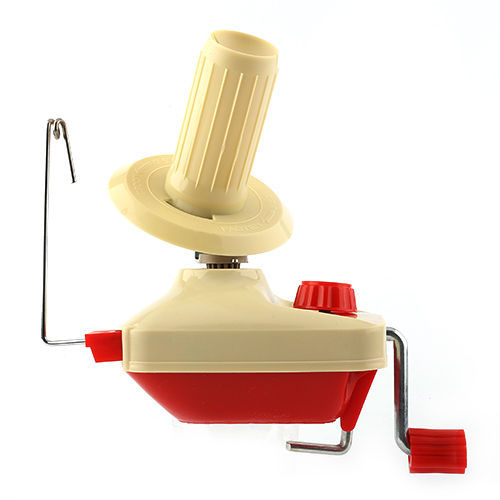
- Yarn Balls vs. Skeins: Always wind your yarn into a center-pull ball before knitting. Skeins tangle easily, causing frequent stops to untangle, which breaks your flow state.
Patterns that build knitting fluency
Fluency comes from repetition and muscle memory. Start with simple, repetitive patterns that allow you to focus on rhythm rather than complex instructions.
1. Garter Stitch Scarf
Garter stitch (knitting every row) is the most forgiving pattern for beginners. It eliminates the need to track knit vs. purl rows, allowing you to focus on consistent tension and speed. This pattern helps you build the basic habit of continuous knitting without cognitive load.
2. Stockinette Stitch Swatch
Stockinette stitch introduces the knit/purl dynamic. Start with a small swatch to practice switching between the two stitches smoothly. The goal is to make the transition between knit and purl rows automatic, reducing the mental effort required to maintain the fabric structure.
3. Ribbing (K1, P1 or K2, P2)
Ribbing is essential for cuffs, hems, and necklines. It requires a steady rhythm and consistent tension. Mastering ribbing by hand improves your overall stitch control, which translates to better results when using knitting machines for similar textured patterns.
No comments yet. Be the first to share your thoughts!