
What does knit fluent mean for machine knitters?
"Knit fluent" is not about how fast you can turn a crank. It is about pattern literacy. When a machine knitter is fluent, they can read a written chart and understand exactly what the machine will do before they start rolling. They know how to interpret standard abbreviations like "k2 p2" and can translate those symbols into physical stitches.
This skill set shifts the focus from manual dexterity to cognitive processing. In hand knitting, you often feel for mistakes. On a knitting machine, you must predict them. Fluency means you understand the mechanics of the stitch formation well enough to troubleshoot dropped stitches or tension issues without stopping the entire workflow.
Think of it like reading sheet music. You don't need to play every note instantly to be fluent. You need to know the rhythm, the timing, and how the notes connect. Once you grasp this mental framework, the machine becomes an extension of your intent rather than a separate entity you are trying to control.
Hand knitting vs machine knitting choices that change the plan
Choosing between hand knitting and machine knitting comes down to how you want to spend your time and what you want to create. Both methods use the same fundamental stitches, but the execution changes everything about the experience.
Hand knitting is portable and tactile. You can knit on a train, in bed, or while watching TV. The rhythmic motion is meditative, and you have total control over every stitch. However, this control comes at a cost: speed. A complex sweater might take weeks or months to finish by hand.
Machine knitting, specifically using a knit fluent approach, changes the equation. Machines excel at speed and consistency. A flat panel that takes hours by hand can be produced in minutes. The stitches are uniform, which is ideal for garments that require precise sizing or large, repetitive patterns. The tradeoff is that machines are bulky, expensive, and require a dedicated workspace.
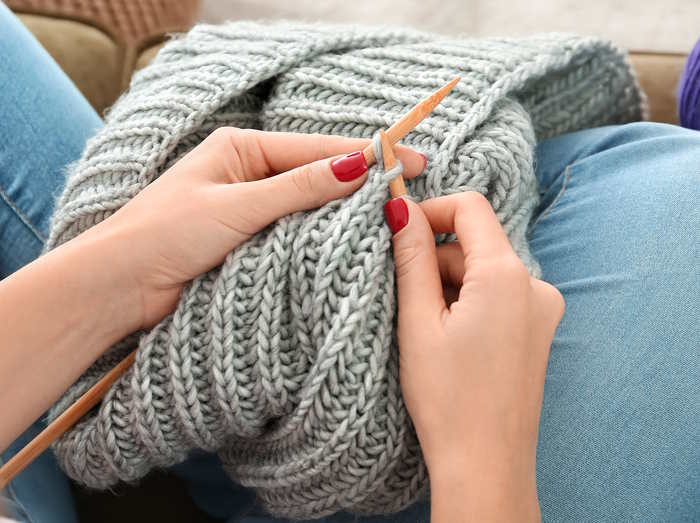
The decision often depends on your project goals. If you are learning the craft, hand knitting builds muscle memory and stitch intuition. If you are producing finished goods or tackling large blankets, the machine’s efficiency is hard to beat. Many knitters eventually use both, switching methods based on the project's demands.
| Feature | Hand Knitting | Machine Knitting |
|---|---|---|
| Speed | Slow (hours per row) | Fast (minutes per row) |
| Portability | High (anywhere) | Low (dedicated space) |
| Stitch Consistency | Variable (human error) | High (uniform tension) |
| Learning Curve | Gentle (basic stitches) | Steep (mechanical setup) |
| Cost | Low (needles + yarn) | High (machine purchase) |
| Best For | Small projects, learning | Large panels, swatches |
Best knitting machines for beginners
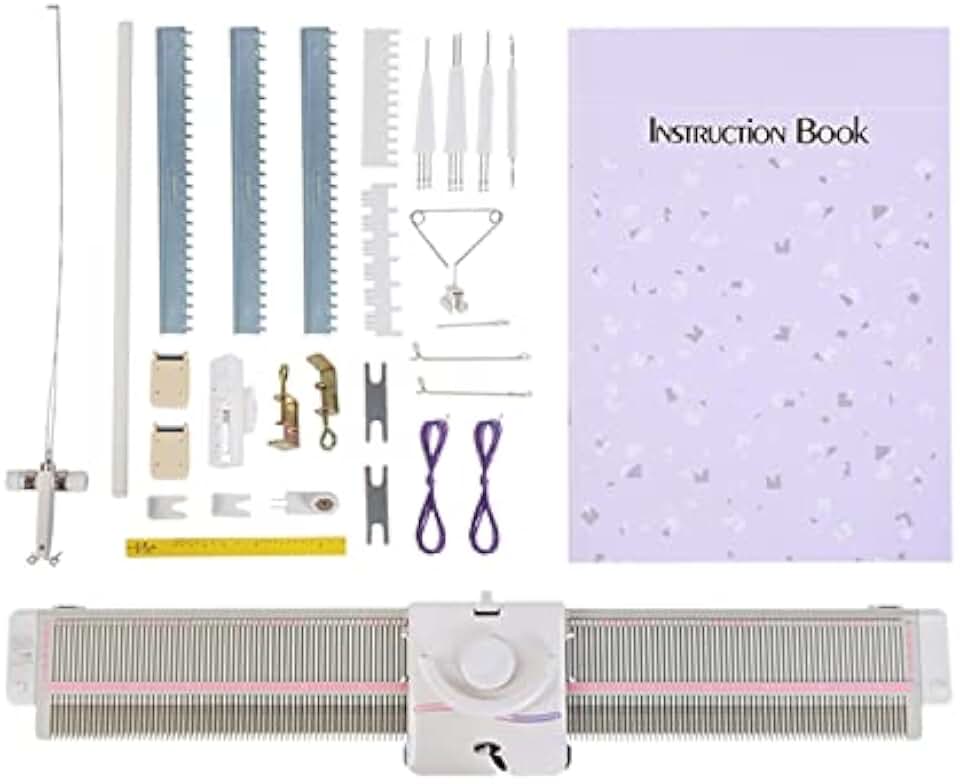
Starting with a machine knitting machine can feel overwhelming, but the right entry-level model makes the learning curve gentle. The goal is to find a device that handles basic stitches like k2p2 (knit two, purl two) without requiring advanced technical knowledge. These machines are forgiving, easy to set up, and ideal for learning the fundamentals of knit fluent skills.
How to choose your first machine
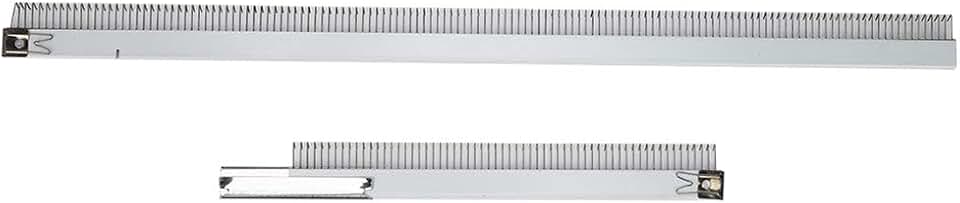
Look for a machine with a wide bed (at least 200 needles) to give you room to grow. A wider bed allows you to create larger projects like scarves and blankets, which are perfect for practicing tension and stitch consistency. Avoid overly complex digital machines at this stage; stick to manual models with clear, intuitive controls.
Top recommendations
As an Amazon Associate, we may earn from qualifying purchases.
Setting up for success
Once you have your machine, start with simple yarns like worsted weight acrylic or wool blends. These materials show stitch definition clearly and are forgiving of minor tension errors. Practice basic ribbing and stockinette stitch before moving on to more complex patterns. Joining a community like Knit It Now or watching tutorials from designers like Alexis Winslow can provide valuable support as you build your skills.
Advanced machines for expert knitters
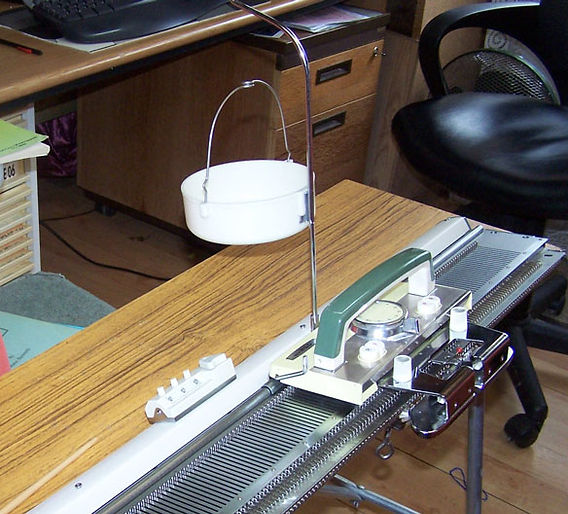
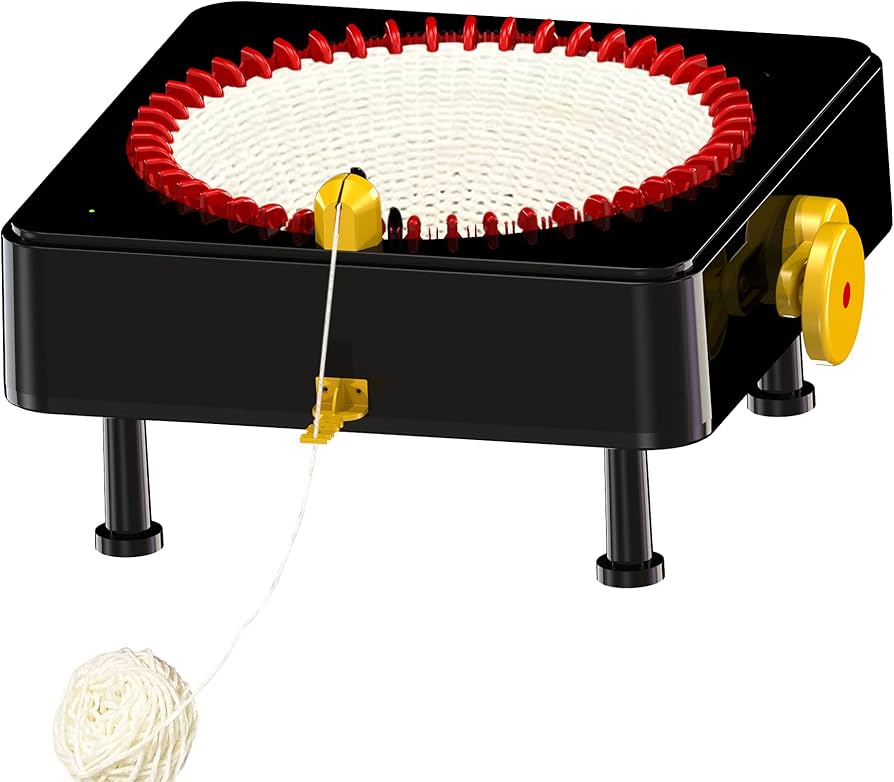
When you reach the expert tier, knitting fluency means controlling complexity rather than just speed. High-end knitting machines enter this space with electronic features that automate tedious tasks. These machines handle intricate patterns that would take days to complete by hand. You trade manual dexterity for digital precision.
The defining feature of these advanced models is multi-bed capability. A double-bed machine allows you to knit fabric from both the front and back needles simultaneously. This setup creates complex textures like intarsia, jacquard, and heavy cables without manual manipulation. Some systems even support four-bed configurations for extreme structural projects. This capability turns the machine into a textile loom for specialized fabrics.
Electronic programming bridges the gap between physical mechanics and digital design. You can upload pattern files directly to the machine’s interface. The needles move automatically based on your code, ensuring perfect repeatability. This eliminates the human error common in hand-knitting complex motifs. You focus on yarn selection and finishing rather than counting stitches.
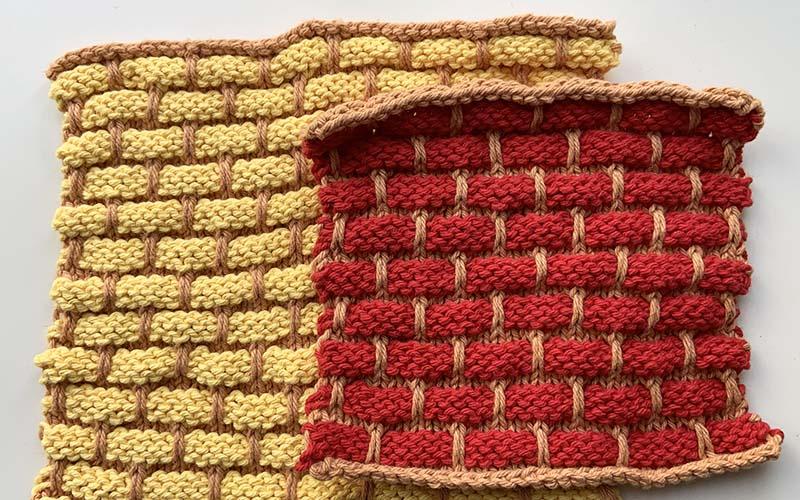
These machines demand a different kind of skill. You must learn pattern drafting and software integration alongside traditional knitting techniques. The learning curve is steep, but the output justifies the effort. You produce professional-grade garments that look hand-crafted but are made with industrial consistency.

As an Amazon Associate, we may earn from qualifying purchases.
How to choose your first knitting machine
Selecting the right machine depends on three practical factors: your budget, available storage space, and the specific projects you want to complete. Treating this decision like learning a new language helps. You need the right tools to express what you already know by hand.
Start with a realistic financial limit. Entry-level knitting machines range from $200 to $500, while professional models exceed $1,500. Factor in the cost of accessories like ribber beds and carriage maintenance. A higher price tag often means better gauge consistency, but it also requires a larger investment in time to learn.
Knitting machines are bulky. A standard 91-pitch machine requires a dedicated table or large shelf. Consider where you will store the machine when not in use. If space is tight, a compact, lightweight model designed for small apartments may be more practical than a heavy-duty industrial unit.
Decide what you plan to knit. If you only want to make scarves and simple hats, a basic machine with standard needles suffices. For complex cables, lace, or garment construction, you will need a machine compatible with a ribber and more advanced carriage options. Align the machine's capabilities with your actual knitting ambitions.
| Feature | Entry-Level | Professional |
|---|---|---|
| Price Range | $200–$500 | $1,000+ |
| Gauge Precision | Standard | High |
| Accessory Support | Limited | Full Ribber/Cable |
| Weight | Light | Heavy |
What does k2 p2 k2 mean in patterns?
When you see k2 p2 k2 in a knitting pattern, it is shorthand for a specific sequence of stitches: knit two, purl two, knit two. This combination is the foundation of the classic 2x2 rib stitch, which creates a stretchy, textured fabric that holds its shape well.
The instruction tells you exactly how to structure one full repeat of the ribbing. You start by knitting the next two stitches, then purling the following two, and finishing the sequence by knitting the last two. If the pattern includes brackets like [k2 p2], you repeat that entire block across the row until you reach the end.
This ribbing style is a staple in knit fluency because it is both quick to memorize and highly functional. It is commonly used for cuffs, collars, and waistbands where elasticity is required. Mastering this simple four-stitch cycle allows you to handle a wide variety of garment construction tasks without needing complex charts.
No comments yet. Be the first to share your thoughts!