

Yarn in 2026
The demand for sustainable yarn is no longer a niche interest; it’s becoming a mainstream expectation. We’re seeing a clear shift in the knitting community, with more and more knitters actively seeking out eco-friendly materials and ethical production practices. This isn’t just about environmental concerns, though those are certainly a major driver. It's also about wanting to connect with the origins of our materials and support responsible businesses.
Brands are starting to share more about their supply chains, but the term 'sustainable' is still messy. Different companies use different metrics. I've found that you have to ask specific questions about sourcing rather than trusting a green label at face value.
Looking ahead to 2026, I anticipate this trend will only accelerate. We'll likely see more innovation in fiber technology, a wider range of sustainable options available, and increased pressure on brands to adopt more responsible practices. There are hurdles, of course – cost, scalability, and the need for industry-wide standards – but the overall direction feels positive. It’s a good time to be a conscious knitter.
Content is being updated. Check back soon.
The shift to wood pulp fibers
Yarns made from cellulose fibers – Tencel (Lyocell), Modal, and bamboo – are gaining significant traction. These fibers are derived from wood pulp, making them renewable and biodegradable. The production process for Tencel, in particular, is a closed-loop system, meaning that the solvents used are recycled, minimizing environmental impact. Bamboo, while often marketed as eco-friendly, can be more complex depending on the processing method; it’s important to look for certifications.
Tencel is particularly appealing for knitters because of its incredible drape and softness. It’s wonderful for garments that need to flow, like shawls and dresses. Modal is similar, though often a bit less expensive. Bamboo yarn tends to be more absorbent and has a slightly different texture – some people find it a bit slippery. The downside to these fibers is they can sometimes lack the elasticity of wool, so blending with a small amount of elastic fiber is often recommended for garments.
Compared to traditional cotton, cellulosic fibers generally require less water and pesticides to grow. However, it’s important to remember that the entire lifecycle of the yarn matters. Transportation, dyeing, and finishing all have environmental impacts. For example, a Tencel yarn produced in Europe will have a lower carbon footprint than one produced in Asia and shipped globally. The cost of Tencel and Modal is generally higher than cotton, but becoming more competitive as production scales up.
Looking for eco-friendly yarn without compromising quality?
— RG Fibers (Rajiv Group) (@RgFibers) March 27, 2026
RG Fibers brings you Recycled Cotton Yarn 🧵
✔ Sustainable
✔ Durable
✔ Cost-effective
Make your textiles greener 🌍
📞 +91 98122 09091 | +91 98126 09091
🌐 https://t.co/KxdNBxLoD6#RGFibers #RecycledCotton pic.twitter.com/lJc9P4vxIA
Recycled nylon and plastic waste
Econyl is a recycled nylon made from old fishing nets and carpet scraps. Manufacturers break the plastic down to its base chemicals and spin it into new thread. It is a direct way to keep plastic out of the ocean while avoiding new petroleum-based production.
The environmental benefits are substantial, but regenerated nylon isn’t without its challenges. One concern is microplastic shedding, which is a problem with all synthetic fibers. However, some manufacturers are exploring techniques to minimize shedding, such as using tighter yarn constructions and incorporating natural fibers. Another consideration is cost. Econyl is currently more expensive than virgin nylon, though prices are gradually coming down.
Despite these concerns, I believe regenerated nylon represents a promising step forward. It’s a practical way to address the issue of plastic waste and create a more circular economy for textiles. It’s also a durable and versatile fiber, suitable for a wide range of projects, from socks and sweaters to bags and outerwear. We need to continue to push for innovation to mitigate microplastic shedding and make it more accessible.
British wool and heritage breeds
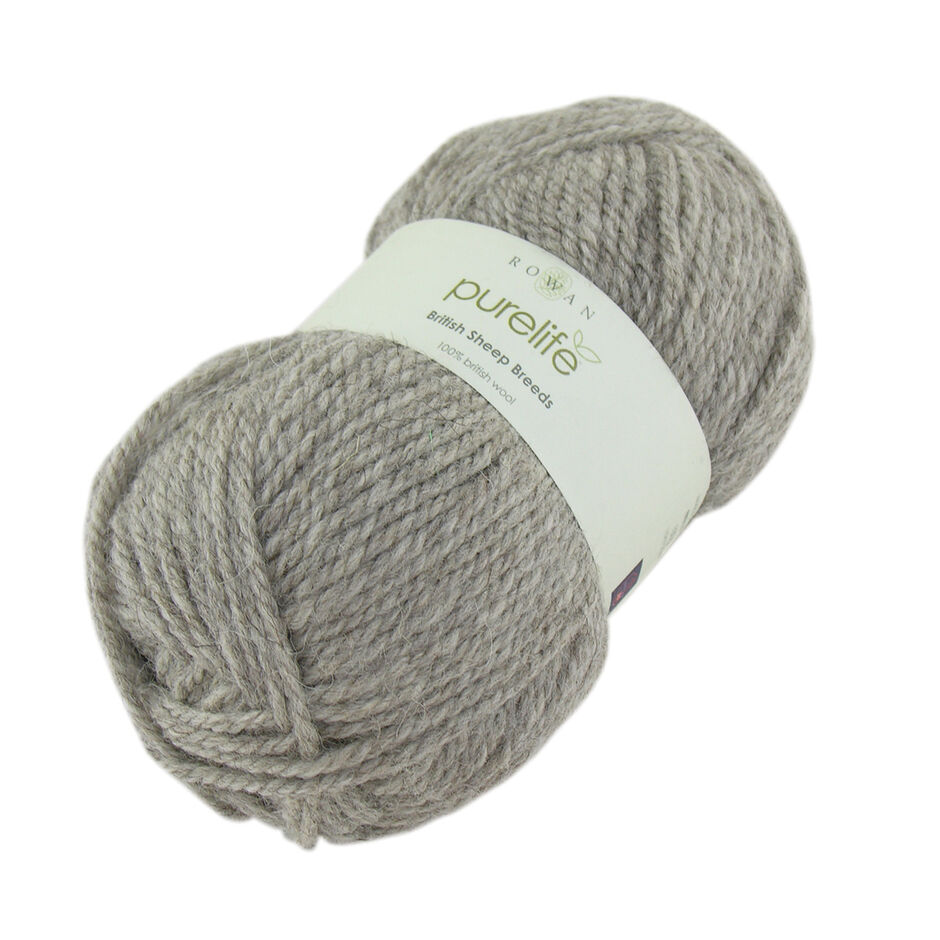
Interestingly, we're seeing a resurgence of interest in British wool, particularly from rare and heritage breeds. This seems to be a bit of a counter-trend to the focus on super-soft, luxury fibers. Hollywool.eu notes a clear trend towards textured knitting in 2026, and British wools perfectly fit that aesthetic. Breeds like Bluefaced Leicester, Jacob, and Shetland offer unique textures, colors, and characteristics that you simply can’t find in commercially produced merino.
Supporting British wool farmers has substantial benefits. It helps preserve traditional farming practices, protects biodiversity, and reduces the carbon footprint associated with long-distance transportation. These breeds are often well-suited to the local climate and require less intensive farming methods. Plus, the yarn often has a wonderful rustic quality that appeals to many knitters.
The appeal isn't just about sustainability; it's about celebrating the heritage and artistry of British wool. It’s a move away from homogenization and towards embracing the unique qualities of different breeds. It’s not necessarily cheaper than merino, but the story behind the yarn and the quality of the fiber make it a worthwhile investment for many.
Knitting without waste
Zero-waste knitting goes beyond simply using up leftover yarn. It’s about designing and constructing garments in a way that minimizes waste from the very beginning. This can involve techniques like modular knitting, where you knit small squares or shapes and then join them together, allowing you to use every last bit of yarn. It also means carefully planning your projects to avoid unnecessary scraps.
Designers are increasingly embracing zero-waste principles. For example, some patterns are designed to be knit in the round, eliminating side seams and reducing fabric waste. Others incorporate shaping techniques that minimize the need for shaping decreases, which can leave awkward remnants. There are also patterns specifically designed to use up small amounts of leftover yarn, like patchwork blankets or colorwork accessories.
A truly zero-waste approach even considers what happens to the yarn at the end of its life. Choosing biodegradable fibers like wool or cotton is a good start, but you can also explore techniques for composting or repurposing old knitted items. It’s about viewing knitting as part of a circular system, rather than a linear one. I've seen some knitters even using short fibers from spinning or leftover yarn for stuffing toys or cushions.
- Joji Locatelli uses modular construction to help knitters use every yard of a skein.
- Andrea Mowry writes patterns for circular knitting that eliminate the need for seams and extra trimmings.
- Various Ravelry designers: Search for "zero waste’ or ‘scrap busting" patterns.
Zero-Waste Knitting Patterns
- The Hole-Punch Cardigan by Veera Välimäki - This cardigan is designed to use up yarn scraps by incorporating stripes of varying widths and colors. The pattern encourages mindful use of leftover yarn, minimizing waste through creative design.
- Remnant Raglan by Tin Can Knits - Specifically designed for using up scraps, the Remnant Raglan utilizes a modular construction allowing knitters to combine different yarn weights and colors, effectively utilizing smaller amounts of yarn that might otherwise be discarded.
- Striped Scraps Blanket by Purl Soho - This blanket pattern is a classic example of scrap-busting. Knitters create a cozy blanket by joining together knitted squares made from leftover yarn, demonstrating a practical approach to zero-waste knitting.
- Confetti Cowl by Joji Locatelli - This cowl is designed to be made with short lengths of yarn, making it perfect for using up leftovers. The pattern’s design embraces the randomness of scrap yarn, creating a unique and colorful accessory.
- Scrap Yarn Colorwork Cushion by Kate Davies - This cushion pattern encourages knitters to use up their stash of colorful scrap yarn in a visually appealing colorwork design. The pattern offers guidance on color combinations and yarn management.
- Leftover Sock Yarn Shawlette by Lærke Handcraft - This shawlette is designed to use up leftover sock yarn, a common stash item for knitters. The pattern's construction allows for flexible use of varying amounts and colors of sock yarn.
- Scrappy Modular Knits by Heidi Nickelsen - This pattern collection provides instructions for creating various modular knitted pieces, ideal for using up small amounts of yarn. Pieces can be joined together to create larger items, promoting a zero-waste approach.
The return of plant-based dyes
Natural dyeing is experiencing a significant revival. Using dyes derived from plants (like madder, indigo, and marigolds), insects (like cochineal), and minerals offers a lower environmental impact compared to synthetic dyes, which often contain harsh chemicals. The colors achieved through natural dyeing are often more nuanced and unique, with subtle variations that add character to the yarn.
However, natural dyeing isn’t without its challenges. Colorfastness can be an issue, meaning the colors may fade over time or bleed when washed. Sourcing natural dye materials can also be difficult and expensive, depending on your location. It requires a good understanding of the process and careful attention to detail. Mordants, which are used to help the dye bind to the fiber, also need to be chosen carefully to minimize environmental impact.
Despite these challenges, the appeal of natural dyeing is undeniable. It’s a deeply satisfying process that connects you to the natural world and allows you to create truly one-of-a-kind yarns. There are numerous online resources and workshops available for learning natural dyeing techniques, and the community is incredibly supportive. I’m seeing more and more small-scale dyers offering naturally dyed yarns, which is a positive sign.
No comments yet. Be the first to share your thoughts!