

Knitting's Automation Leap
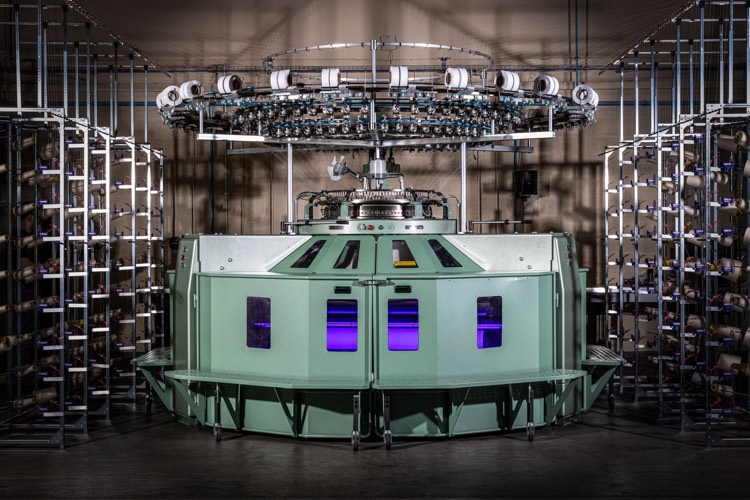
Knitting has long been a traditional craft. Automated machines have existed for decades, primarily for industrial speed and consistency. Now, AI-powered knitting machines are emerging. These go beyond faster production to machines that can learn, adapt, and create.
Early automated knitting used punched cards or pre-programmed sequences for efficient repetition but lacked flexibility. Computer-controlled machines offered more versatility but needed significant human input. AI integration is different, allowing machines to interpret designs, recognize errors, and adjust parameters in real-time.
By 2026, machines will be more sophisticated, incorporating computer vision, machine learning, and advanced sensors. This represents a qualitative leap, moving from machines that execute instructions to those that can understand knitting.
The impact is significant. Machines could generate knitting patterns from photographs or automatically correct dropped stitches or tangled yarn. These possibilities are becoming realistic as AI technology matures.
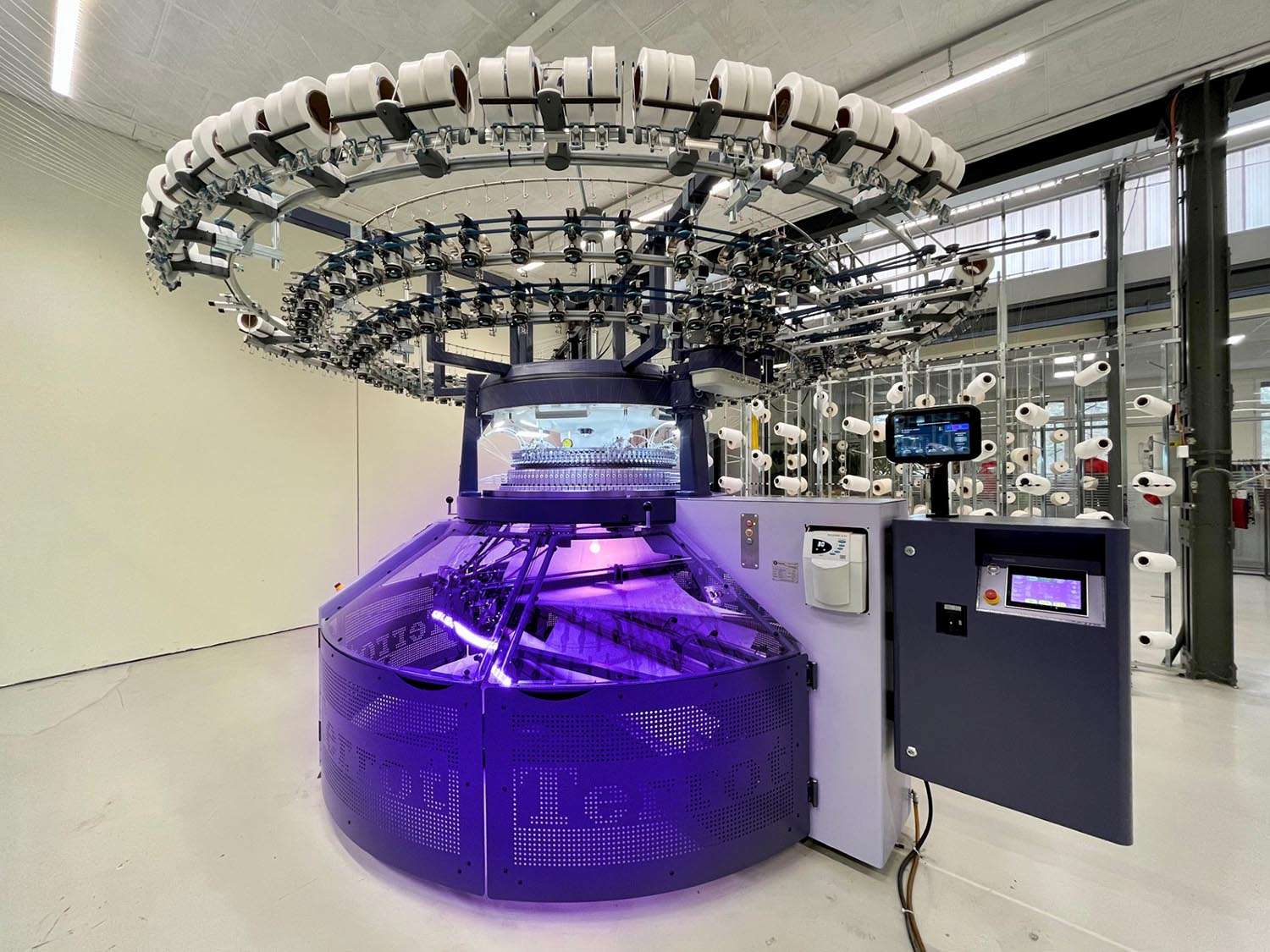
Key Players & 2026 Predictions
Several companies are entering the AI knitting machine market. made-in-china.com reports manufacturers are focusing on smart technology. Brother, a long-standing name, is researching AI capabilities, though product details are still emerging.
Shima Seiki, known for high-end industrial machines, has introduced models with advanced design software and automation. By 2026, Shima Seiki will likely integrate AI for error detection, correction, and pattern generation, focusing on the industrial market with potential trickle-down to smaller machines.
Chinese manufacturers, such as those on made-in-china.com, are entering the market with affordable options. These machines may lack the refinement of Brother or Shima Seiki but offer an entry point for hobbyists and small businesses. These manufacturers will likely focus on ease of use and affordability, possibly using open-source AI libraries to cut costs.
Cloud connectivity will likely increase. Machines will upload data for analysis and optimization, enabling manufacturers to improve algorithms and offer remote support. This could lead to subscription services for advanced features or pattern libraries, with machines learning from collective user data.
Advances in pattern complexity are expected, with machines handling intricate designs like cables, lace, and colorwork. Faster design iteration is also likely, as AI algorithms generate pattern variations.
Pattern Recognition & Design Software
An AI knitting machine's core function is understanding and interpreting patterns using computer vision and machine learning. Computer vision enables the machine to 'see' patterns from physical samples or digital images. Machine learning algorithms analyze this visual data into machine-executable instructions.
Machine control software is becoming more sophisticated, with many machines supporting standard file formats like STL, OBJ, and SVG for design import. Some software includes built-in design tools, though their quality varies by manufacturer.
Simplifying complex traditional knitting patterns is a challenge. AI algorithms can automate this by breaking down intricate designs, like lace or colorwork, into machine-readable instructions. Visual programming interfaces, allowing graphical pattern manipulation, are also gaining emphasis.
Importing existing patterns is crucial for knitters with extensive libraries. Seamless import would be a significant advantage, though compatibility issues with older or non-standard formats can arise. Some software offers pattern conversion tools, but they are not always perfect.
The best systems will allow for 'fuzzy' pattern recognition, interpreting imperfect images or scans of hand-drawn designs rather than requiring perfect digital patterns. This would enable adapting and remixing existing patterns.
- Pattern Input: Machines accept digital images, scanned patterns, or designs created within their software.
- Computer Vision: Analyzes visual input to identify stitches, rows, and pattern elements.
- Machine Learning: Translates visual data into machine-executable instructions.
- File Formats: Support for STL, OBJ, SVG, and proprietary formats is common.
Material Compatibility & Limitations
Material compatibility is a key question for AI knitting machines. Most are designed for specific yarn types, typically medium-weight wool or acrylic.
Delicate materials like silk, cashmere, or mohair require precise tension and gentle handling, which some machines may struggle with, leading to dropped stitches or broken yarn. Finer yarns increase the likelihood of problems. Always check manufacturer specifications before using unusual materials.
Highly textured yarns, such as bouclé or novelty yarns, can be difficult for machines to handle due to snags or pattern disruption. Machines designed for textured yarns may appear in the future, but smoother yarns are recommended for now.
Machine limitations vary. Some handle multiple colors or intricate lace patterns, while others are limited to single colors or struggle with complex stitches. Choose a machine appropriate for your intended projects.
Automated Error Detection & Correction
undefined dropped stitches, tangled yarn, or other problems. AI-powered machines can automate this process, reducing the need for manual intervention.
Error detection is typically achieved through a combination of sensors and computer vision. Sensors can detect changes in tension or yarn flow, while computer vision can identify dropped stitches or misaligned patterns. When an error is detected, the machine can automatically pause and attempt to correct it. The sophistication of the correction mechanism varies between machines.
Some machines can simply re-knit the affected row or section, while others can automatically repair dropped stitches using a specialized needle. The level of intervention required from the operator also varies. In some cases, the machine can correct the error completely on its own. In other cases, the operator may need to provide some assistance, such as re-threading the yarn.
Compared to manual error correction, automated error detection and correction can save a significant amount of time and effort. It can also reduce the amount of wasted yarn. However, it’s important to note that AI-powered machines are not perfect. They may not be able to correct all types of errors, and they may sometimes make mistakes. This is an area where ongoing research and development are focused.
Top AI Knitting Machines: 2026 Roundup
Predicting the exact lineup of machines in 2026 is difficult, but here’s a curated list of 6 AI-powered knitting machines expected to be prominent, based on current development and industry trends. These aren’t ranked, as their suitability will depend on individual needs.
Brother InnovaKnit AI: Building on their established industrial knitting technology, Brother is likely to release a machine with advanced pattern recognition and automated error correction. Expect a high price point and a focus on precision and reliability. Strengths: Proven reliability, advanced features. Weaknesses: High cost, potentially steep learning curve.
Shima Seiki NEXT-GEN: Shima Seiki’s NEXT-GEN series will probably integrate more sophisticated AI algorithms for pattern generation and optimization. It will likely remain targeted at professional knitters and designers. Strengths: Industry-leading technology, exceptional quality. Weaknesses: Very expensive, complex software.
KnitMaster SmartKnit S26: KnitMaster is a Chinese manufacturer producing increasingly capable machines. The SmartKnit S26 aims for a balance between affordability and functionality, offering AI-powered pattern recognition and basic error correction. Strengths: Affordable, user-friendly. Weaknesses: May lack the refinement of higher-end machines.
TexKnitty AI-Lite: TexKnitty is another emerging Chinese brand focusing on accessible technology. The AI-Lite model will likely offer a simplified AI experience, focusing on automated pattern loading and basic stitch correction. Strengths: Very affordable, easy to use. Weaknesses: Limited features, potentially lower build quality.
LoopCraft Aurora: LoopCraft is a startup specializing in AI-powered knitting. The Aurora is designed for hobbyists and small businesses, offering a user-friendly interface and a focus on creative design. Strengths: Innovative features, affordable price. Weaknesses: New company, potential reliability concerns.
StitchWise Pro AI: StitchWise is developing a machine geared towards educators and beginners. The Pro AI will feature guided tutorials and automated error correction to help users learn the art of knitting. Strengths: Educational focus, user-friendly interface. Weaknesses: Limited advanced features.
Featured Products
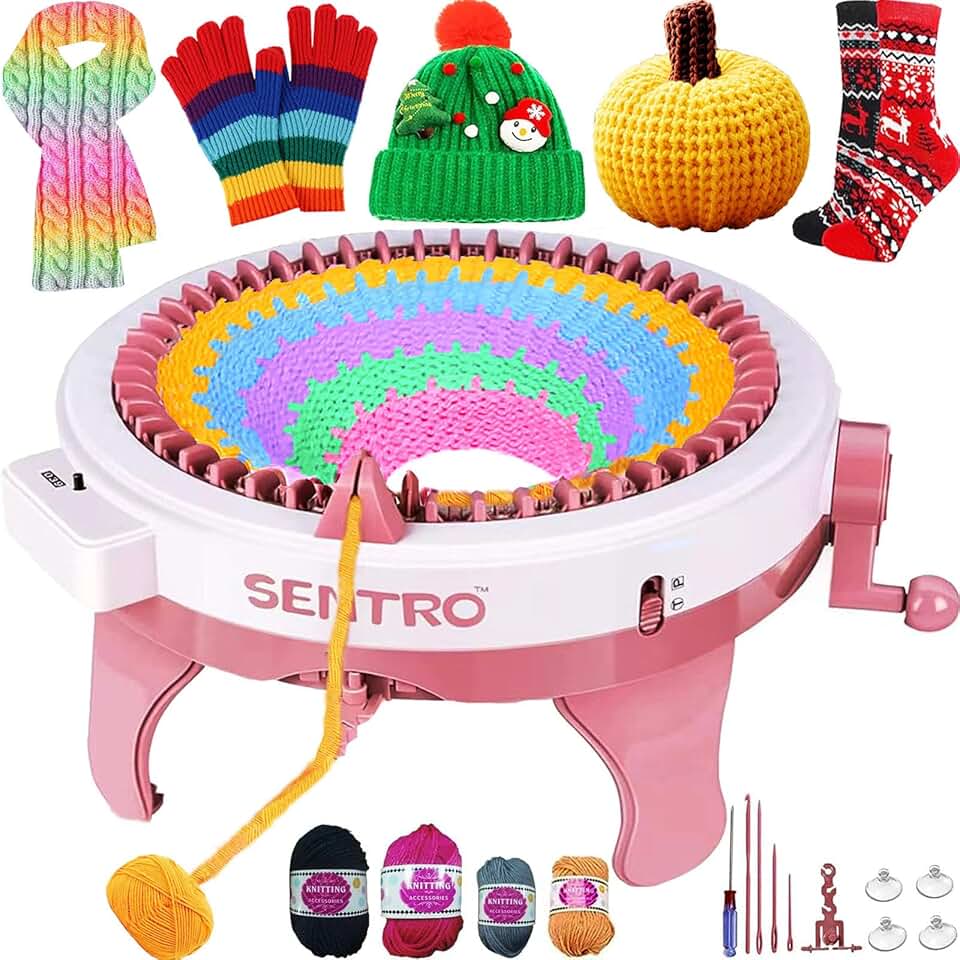
48 needles for versatile knitting · Built-in row counter for precise tracking · Suitable for beginners and adults
This machine offers an accessible entry point into automated knitting, ideal for creating a variety of projects like hats, scarves, and gloves with its user-friendly design and included row counter.

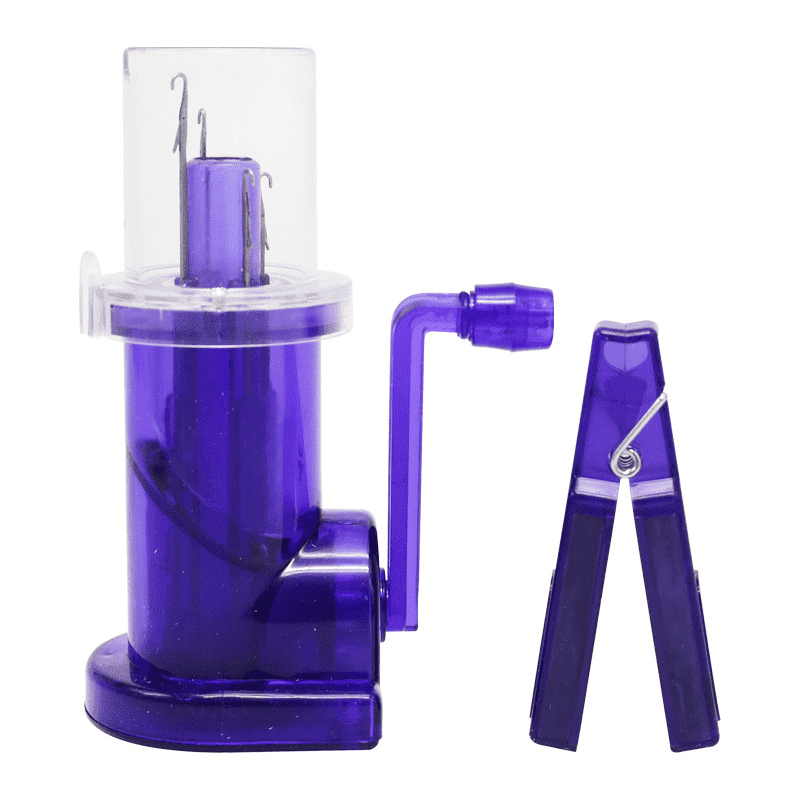
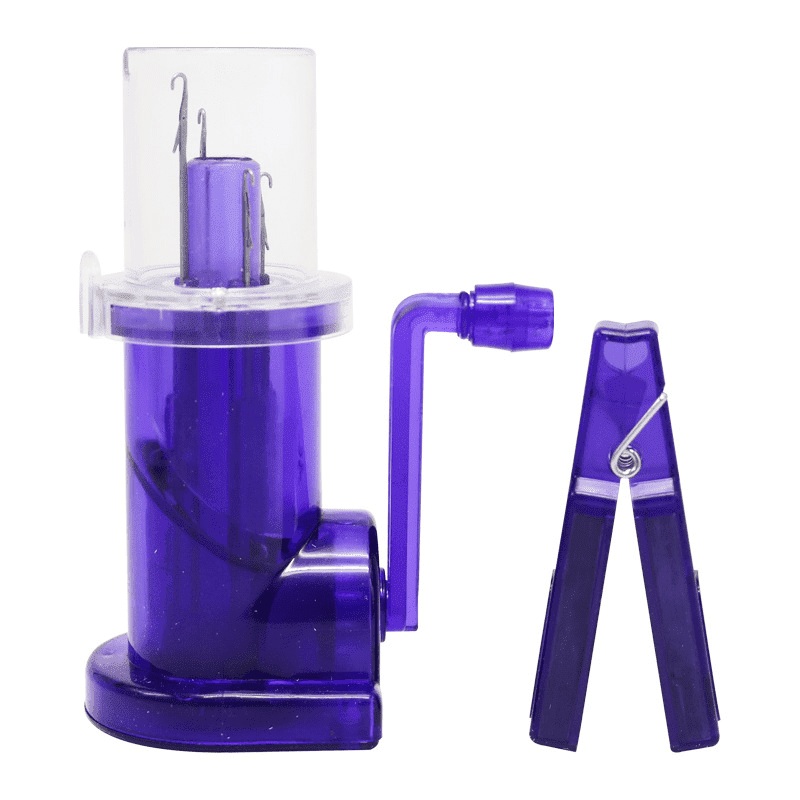
Electric i-cord knitter · Powerful 3-speed adjustable motor · Hands-free operation
The Caydo Automatic i Cord Knitting Machine Pro provides a highly efficient, hands-free solution for quickly creating i-cords, perfect for DIY craft projects that require speed and automation.
48 needles for versatile knitting · Built-in row counter for precise tracking · Suitable for beginners and adults
This machine offers an accessible entry point into automated knitting, ideal for creating a variety of projects like hats, scarves, and gloves with its user-friendly design and included row counter.
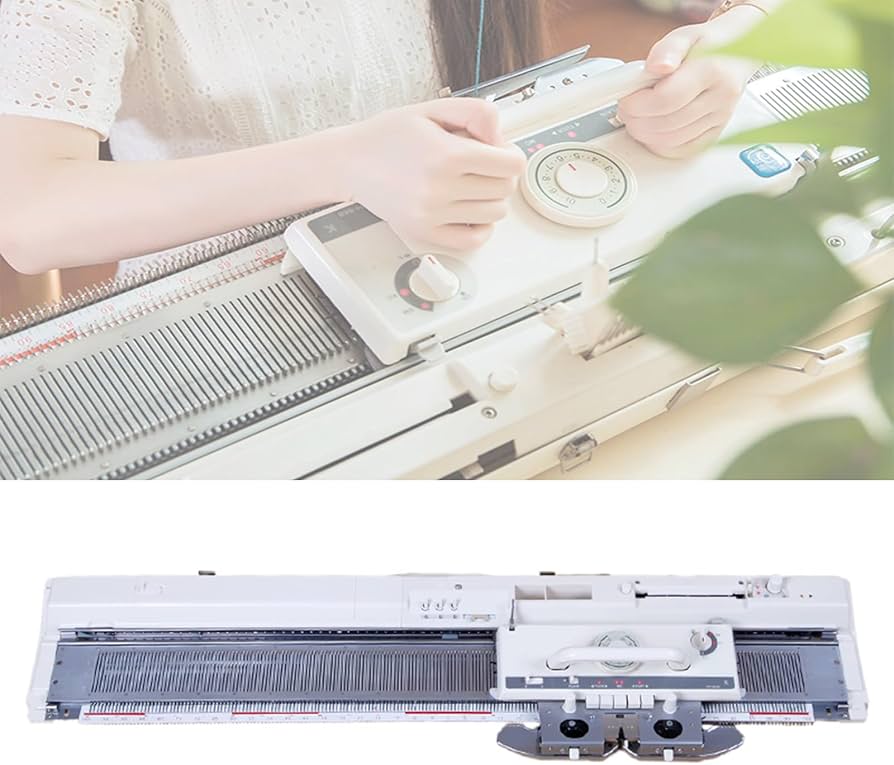
48 needles for versatile knitting · Built-in row counter for precise tracking · Suitable for beginners and adults
This machine offers an accessible entry point into automated knitting, ideal for creating a variety of projects like hats, scarves, and gloves with its user-friendly design and included row counter.
As an Amazon Associate I earn from qualifying purchases. Prices may vary.
Cost & Accessibility Considerations
The price of AI-powered knitting machines is a major barrier to entry for many knitters. Currently, even basic automated knitting machines can cost several thousand dollars. AI-powered machines are likely to be even more expensive, at least initially. Industrial-grade machines from Brother and Shima Seiki can easily exceed $20,000. The more affordable options from Chinese manufacturers will likely range from $3,000 to $8,000.
This price point puts these machines out of reach for most hobbyists. However, I anticipate that prices will come down over time as the technology matures and competition increases. The potential for subscription models or leasing options could also make these machines more accessible. Some manufacturers may offer a subscription service that provides access to advanced features or pattern libraries.
Another factor to consider is the cost of maintenance and repairs. AI-powered machines are more complex than traditional machines, and may require specialized technicians to service them. The cost of replacement parts could also be significant. It's important to factor these costs into your overall budget.
Accessibility is not just about price. The complexity of the software and the learning curve associated with using these machines can also be a barrier. Manufacturers need to focus on developing user-friendly interfaces and providing adequate training and support.
The Future of Automated Knitting
Looking further ahead, the future of AI-powered knitting is full of possibilities. We can expect to see continued advances in pattern recognition, error correction, and material compatibility. Machines will become even more intelligent and adaptable, capable of handling a wider range of materials and designs.
One exciting area of development is the integration of augmented reality (AR). AR could allow users to visualize patterns in 3D before knitting them, and to receive real-time feedback on their technique. Another possibility is the development of self-healing yarns that can automatically repair minor damage.
Will these machines eventually replace human knitters? I don't think so. Knitting is more than just a mechanical process; it’s a creative outlet, a meditative practice, and a way to connect with tradition. AI-powered machines will likely augment human abilities, allowing knitters to create more complex and innovative designs. They’ll handle the repetitive tasks, freeing up knitters to focus on the artistic aspects of the craft.
Ultimately, the future of automated knitting is about collaboration between humans and machines. It’s about leveraging the power of AI to enhance the art of knitting, not to replace it.
Do you think AI knitting machines will become commonplace in home crafting within the next 10 years?
AI-powered knitting machines are evolving rapidly, bringing smart automation to what has traditionally been a hands-on craft. As these machines become more advanced and accessible, we want to hear from the Knit Fluent community. Will AI knitting machines find a permanent place in home crafting setups, or will traditional methods continue to dominate? Vote below and share your perspective!

No comments yet. Be the first to share your thoughts!