

Knitting Education in 2026: A Shifting Landscape
Learning to knit has changed dramatically, even in the last five years. It feels like just yesterday a trip to your grandmother was the only way to pick up the craft, but now the options are vast. The pandemic, of course, accelerated things. With more time at home, many people rediscovered or took up knitting, and that surge in interest fueled a boom in online learning resources. Now, as we look ahead to 2026, we’re seeing a really interesting blend of traditional and digital approaches to how-to knit.
This guide aims to unpack the current state of knitting education, comparing the benefits of in-person classes with the flexibility of virtual learning. I don’t want to declare one definitively "better" – that truly depends on your learning style, budget, and lifestyle. Some people thrive in a social classroom setting, while others prefer the convenience of learning from the comfort of their couch. The best approach is the one that keeps you motivated and, ultimately, knitting.
We'll explore everything from local yarn store workshops to subscription-based online platforms, and discuss the resources available to help you decipher the sometimes-intimidating world of stitch patterns and knitting terminology. There's a lot to consider, but the core goal remains the same: to help you find the path that makes learning to knit enjoyable and successful. It's a wonderfully rewarding hobby, and finding the right learning environment is the first step.
The knitting world is evolving, and with that evolution comes new tools and techniques for learning. This isn't your grandmother's knitting class anymore, though her wisdom is still incredibly valuable! It's a dynamic time to be a knitter, and I'm excited to help you navigate the options available to you.
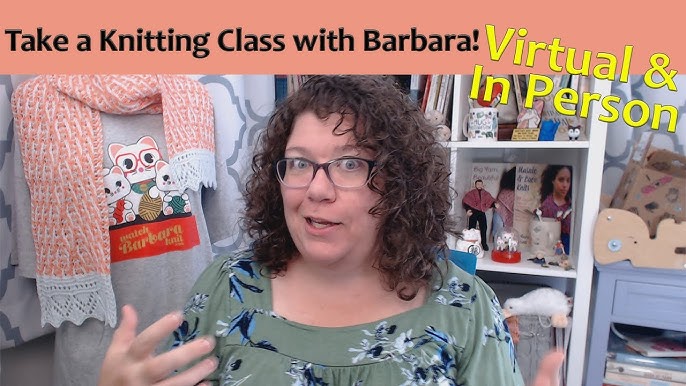
In-Person Classes: The Traditional Route
Learning to knit in person offers immediate instructor feedback, which is invaluable for beginners learning to cast on or master new stitches. An instructor can physically guide your hands and correct your tension, accelerating learning in a way difficult to replicate online. Beyond technical skills, in-person classes have a strong social aspect.
The community in a classroom draws many knitters. Sharing tips, troubleshooting, and chatting with others creates a supportive environment. You can learn as much from classmates as from the instructor. This social connection is hard for virtual classes to replicate, offering a chance to build friendships and join a local knitting community.
In-person classes are offered in various settings. Local yarn stores (LYSs) often host beginner classes and technique workshops. Community centers and recreation departments frequently offer affordable knitting courses. Fiber festivals and yarn conventions provide intensive workshops taught by experienced knitters. Options depend on your location and learning goals.
In-person classes have drawbacks. Cost can be a barrier, with fees often ranging from $50 to $200+ per session, depending on length and instructor. Travel time and fixed schedules can be inconvenient. Finding a class that fits your skill level and interests may require searching. Commitment and flexibility are needed, but for many, the benefits outweigh the challenges.
- Local Yarn Stores (LYSs): Beginner classes, technique workshops.
- Community Centers: Affordable courses, often introductory level.
- Fiber Festivals: Intensive workshops with experienced instructors.
- Recreation Departments: Usually low-cost, basic skill classes.
Featured Products
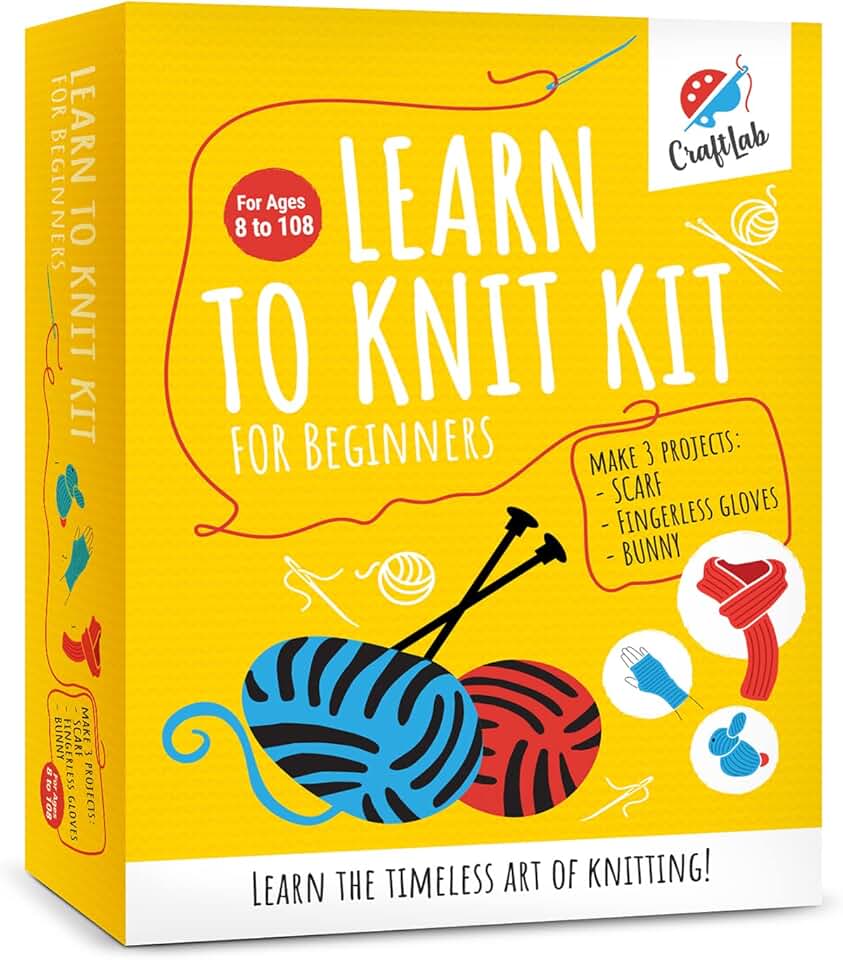
Includes wool yarn · Comes with knitting needles · Contains instructions
This kit provides essential tools and materials for beginners to start knitting.

Thick beginner yarn in gray · Bamboo needles for beginners · Includes video tutorials
This kit offers comprehensive learning resources, including video and written guides, alongside necessary tools for beginners.

1440 yards of acrylic yarn in 32 colors · Includes crochet hooks and weaving needles · Comes with stitch markers and a bag
This extensive kit offers a wide variety of colors and essential accessories for beginners interested in both crochet and knitting.
Thick beginner yarn in gray · Bamboo needles for beginners · Includes video tutorials
This kit offers comprehensive learning resources, including video and written guides, alongside necessary tools for beginners.
Thick beginner yarn in gray · Bamboo needles for beginners · Includes video tutorials
This kit offers comprehensive learning resources, including video and written guides, alongside necessary tools for beginners.
As an Amazon Associate I earn from qualifying purchases. Prices may vary.
Virtual Knitting Classes: Accessibility and Flexibility
Virtual knitting classes offer accessibility and flexibility traditional classes cannot match. Platforms like Skillshare and Creativebug provide a wide range of knitting tutorials, from beginner basics to advanced techniques. Independent knitters and designers also host online classes via platforms like Teachable or their own websites. YouTube offers many free knitting tutorials.
Virtual learning's biggest advantage is convenience. You can learn at your own pace, on your own schedule, and from home. This suits people with busy lives or those in areas without in-person classes. The variety of instructors and techniques online is also a draw. You can find a teacher specializing in niche interests.
Virtual class costs vary. Platforms like Skillshare use a subscription model for access to a class library. Creativebug focuses on crafts and DIY projects, also using subscriptions. Individual classes can range from $20 to $100+, depending on the instructor and material complexity. YouTube offers free content.
Virtual learning has challenges. It requires self-discipline and motivation. Distractions or falling behind are easy without a fixed schedule. Technical difficulties can be frustrating. While many online classes offer interaction, it's not the same as immediate in-person feedback. Virtual class quality varies, so research is important.
- Skillshare: Subscription-based access to a wide variety of classes.
- Creativebug: Focus on crafts and DIY projects, subscription model.
- Individual Instructor Websites: Specialized classes, often more expensive.
- YouTube: Free tutorials, varying quality.
Virtual Knitting Class Platform Comparison (2026)
| Platform | Skill Level Focus | Interactive Learning | Course Breadth | Instructor Background |
|---|---|---|---|---|
| Skillshare | Beginner to Intermediate | Project-based discussion forums; some live workshops available | Wide range, including knitting basics, garment construction, and specific techniques | Varies; often experienced knitters and designers, but credentials not always verified |
| Creativebug | Beginner to Intermediate | Detailed video instruction; limited direct interaction, but active community | Strong focus on crafts, with a good selection of knitting classes; project-focused | Professional instructors and designers with established reputations |
| YouTube | All Levels | Comments sections for questions; instructor responsiveness varies greatly | Extremely diverse; quality and accuracy can vary significantly; free content abundant | Ranges from hobbyists to professional designers; vetting of expertise is up to the viewer |
| Ravelry Groups (Lessons) | Variable - depends on the group | High potential for interaction through forums, direct messaging, and virtual knit-alongs | Highly specialized; dependent on group focus and member contributions | Often experienced knitters sharing knowledge; expertise levels vary within groups |
| Knit Fluent (Online Classes - if available) | Beginner to Advanced | Potential for live Q&A sessions, personalized feedback (depending on class format) | Focus on techniques, pattern support, and machine knitting (if offered) | Instructors with demonstrated expertise in knitting techniques and pattern design |
| Local Yarn Store (Virtual Offerings) | Beginner to Intermediate | Live Zoom sessions, direct instructor access, and community building | Typically focused on foundational skills and store-specific patterns | Experienced yarn store staff and local knitting instructors |
Qualitative comparison based on the article research brief. Confirm current product details in the official docs before making implementation choices.
Decoding Knitting 'Speak': Resources for Visual Learners
A hurdle for new knitters is understanding terminology. 'Knit,' 'purl,' 'yarn over,' 'bind off' can seem like a foreign language. Resources exist to help decipher 'stitch-speak.' The Zen Yarn Garden YouTube video, 'DECIPHERING YOUR KNITTING: BECOMING FLUENT IN STITCH-SPEAK,' breaks down complex stitch patterns into manageable steps.
Visual aids help many learners. Videos, diagrams, and charts clarify how stitches are formed and patterns constructed. Slow-motion video reveals details missed at normal speed. Nimble-Needles.com offers a step-by-step guide on knitting the knit stitch with slow-motion video.
Ravelry, the online knitting community, is a resource. Pattern notes often include photos and videos, and discussions about techniques are available. Stitch dictionaries provide detailed illustrations and explanations of stitch patterns, showing how a stitch looks on both sides of the work.
Visual learners should seek resources catering to their style. Experiment with different tutorials—some prefer video, others written instructions with diagrams. Find what works best and practice.
Cost Breakdown: Knitting Education Budgets
Learning to knit requires an investment that varies by chosen path. In-person classes typically range from $50 to $200+ per session, depending on length, instructor, and location. Factor in material costs—yarn, needles, and patterns. Basic needles cost around $20-$50, and yarn prices vary by fiber content and weight.
Virtual learning costs differ. Subscription platforms like Skillshare and Creativebug charge around $10-$
Don't forget to consider potential travel costs for in-person classes, including gas, parking, or public transportation. If you're taking a workshop at a fiber festival, you may also need to factor in the cost of accommodation and meals. It's easy to underestimate these expenses, so it's important to create a realistic budget.
A reasonable starting budget for a beginner might be $100-$200, covering needles, yarn for a small project, and a few introductory classes (either in-person or virtual). As you progress and tackle more complex projects, your expenses will naturally increase. Remember to shop around for deals and take advantage of free resources to keep costs down.
Finding Your Knitting Community
Knitting is often more enjoyable when shared with others. Finding a knitting community can provide support, inspiration, and motivation. It’s a great way to learn new techniques, troubleshoot problems, and celebrate your accomplishments. Fortunately, there are plenty of options for connecting with fellow knitters, both in-person and online.
Local yarn stores (LYSs) often host knitting groups or 'stitch and bitch' nights, where knitters can gather to work on projects and socialize. Libraries and community centers may also offer knitting circles. These in-person groups provide a sense of camaraderie and a chance to learn from others in a relaxed setting. It's a great way to make new friends who share your passion.
Online forums like Ravelry and Reddit (r/knitting) are incredibly active and supportive communities. You can ask questions, share your projects, and participate in discussions. Social media platforms like Facebook and Instagram also have numerous knitting groups. These online communities are a great way to connect with knitters from all over the world.
"Knitting alongs’ (KALs) are a popular way to knit a specific pattern together with a group of people. KALs provide a sense of accountability and motivation, and they"re a great way to learn new techniques. Many designers and yarn companies host KALs on Ravelry or social media. Don't underestimate the power of community – it can make all the difference in your knitting journey.
Where do you primarily learn to knit?
Vote below to share your preferred learning method for mastering new techniques.
2026 Trends: What’s Next for Knitting Education?
Looking ahead to 2026, I anticipate continued growth in virtual knitting education. We might see more immersive experiences, such as virtual reality (VR) tutorials that allow you to practice techniques in a simulated environment. Artificial intelligence (AI) could also play a role, perhaps assisting with pattern modifications or providing personalized feedback on your technique.
There's a growing interest in sustainable and ethical knitting practices, and I expect to see more classes and workshops focused on these topics. This includes learning about natural dyes, responsible yarn sourcing, and minimizing waste. Knitters are becoming more conscious of the environmental impact of their hobby and are looking for ways to make more sustainable choices.
The demand for specialized classes is also likely to increase. Knitters are looking to expand their skills beyond the basics, and they're eager to learn techniques like colorwork, brioche, and intarsia. We might see more classes focused on specific garment construction or design principles. It's a trend towards more in-depth and focused learning.
Ultimately, the future of knitting education will be shaped by the needs and preferences of knitters. I expect to see a continued blend of traditional and digital approaches, with a focus on accessibility, flexibility, and community. The most important thing is to find a learning path that inspires you and helps you to create beautiful, handmade items.


No comments yet. Be the first to share your thoughts!