
Choosing your first knitting machine
Selecting the right knitting machine is less about finding the most expensive model and more about aligning the technology with your current skill level and project goals. The market offers two primary paths: manual and electronic machines. Understanding the mechanical differences between these systems helps you avoid the frustration of buying a tool that outpaces your ability to use it.
Manual knitting machines rely on mechanical levers and punch boards to create patterns. They are robust, affordable, and excellent for learning the fundamentals of gauge and tension. Electronic machines, by contrast, use a digital interface to control individual needles, allowing for complex colorwork and intricate designs without the need for physical punch cards. If you are just starting, a manual machine provides a tactile understanding of how stitches form, which is essential for troubleshooting later.
The concept of being "knit fluent" goes beyond simply operating a machine. It means you can read the fabric, anticipate tension issues, and choose the right stitch structure for your yarn. A beginner might find electronic features overwhelming, while an experienced knitter might find manual punch cards limiting. Start with the machine that matches your immediate goals—garments versus blankets—rather than the one that promises future versatility you aren't ready to use yet.
Ultimately, the best machine is the one that encourages you to keep knitting. Whether you choose the precision of electronics or the simplicity of manual levers, focus on building your technical vocabulary. As you become more comfortable with the mechanics, you will naturally progress toward more complex projects and a deeper understanding of the craft.
Top knitting machine reviews for 2026
Finding the right machine is the difference between fighting your yarn and letting it flow. When a machine operates smoothly, you enter a state of "knit fluent"—a rhythm where technique fades into the background and creativity takes the lead. The following machines represent the current standard for reliability and feature sets, helping you achieve that seamless production quality.



As an Amazon Associate, we may earn from qualifying purchases.
Comparison of key specs
Selecting the right tool requires understanding how gauge and width impact your final fabric. The table below compares the core specifications of the leading machines in this roundup. Note that exact availability and pricing fluctuate; always check the retailer for current stock.
| Machine | Gauge | Working Width | Type |
|---|---|---|---|
| Shima Seiki SWG-X | Multi-gauge | 180cm | Industrial |
| Stoll KS-TC2 | E10/E12 | 130cm | Industrial |
| Yarnart Knitting Machine | E14 | 90cm | Home |
| Passap DS600 | E14 | 90cm | Home |
| Brother KH910 | E14 | 90cm | Home |
How to knit intarsia sweaters on a machine
Intarsia is the art of color blocking on a knitting machine. Unlike Fair Isle, which carries unused yarns across the back of the work, intarsia uses separate bobbins or balls of yarn for each distinct color area. This technique allows for crisp, geometric designs without the thick, bumpy ridges that can ruin a garment’s drape. To achieve this, you must master the "Knit Fluent" concept: treating each color change as a distinct, independent event rather than a continuous flow.
The setup requires precise tension management. Because each color is supplied independently, loose yarns can create gaps, while tight yarns can pucker the fabric. Most modern knitting machines handle this well, but the key is to keep your bobbins light and your yarn paths clean. If you are using a machine with a carriage that supports multiple yarn feeds, ensure each yarn is threaded through its own tension dial and guide to prevent tangling.
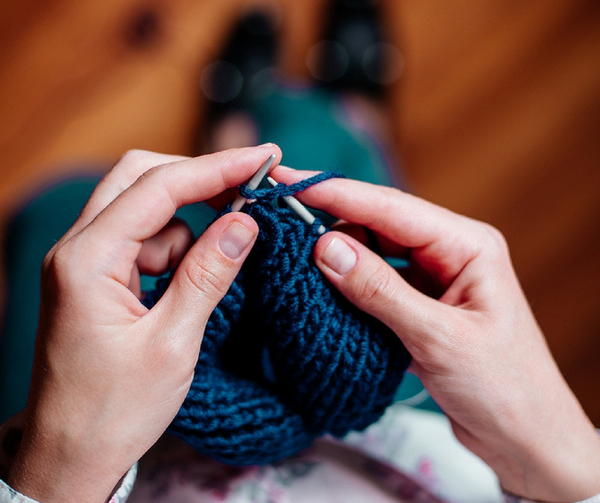
Load your yarns onto individual bobbins or cones. Place them in a holder or rack near the machine so each color has a clear, untangled path to the needles. Lighter bobbins reduce tension issues and make it easier to manage the yarns as you knit.
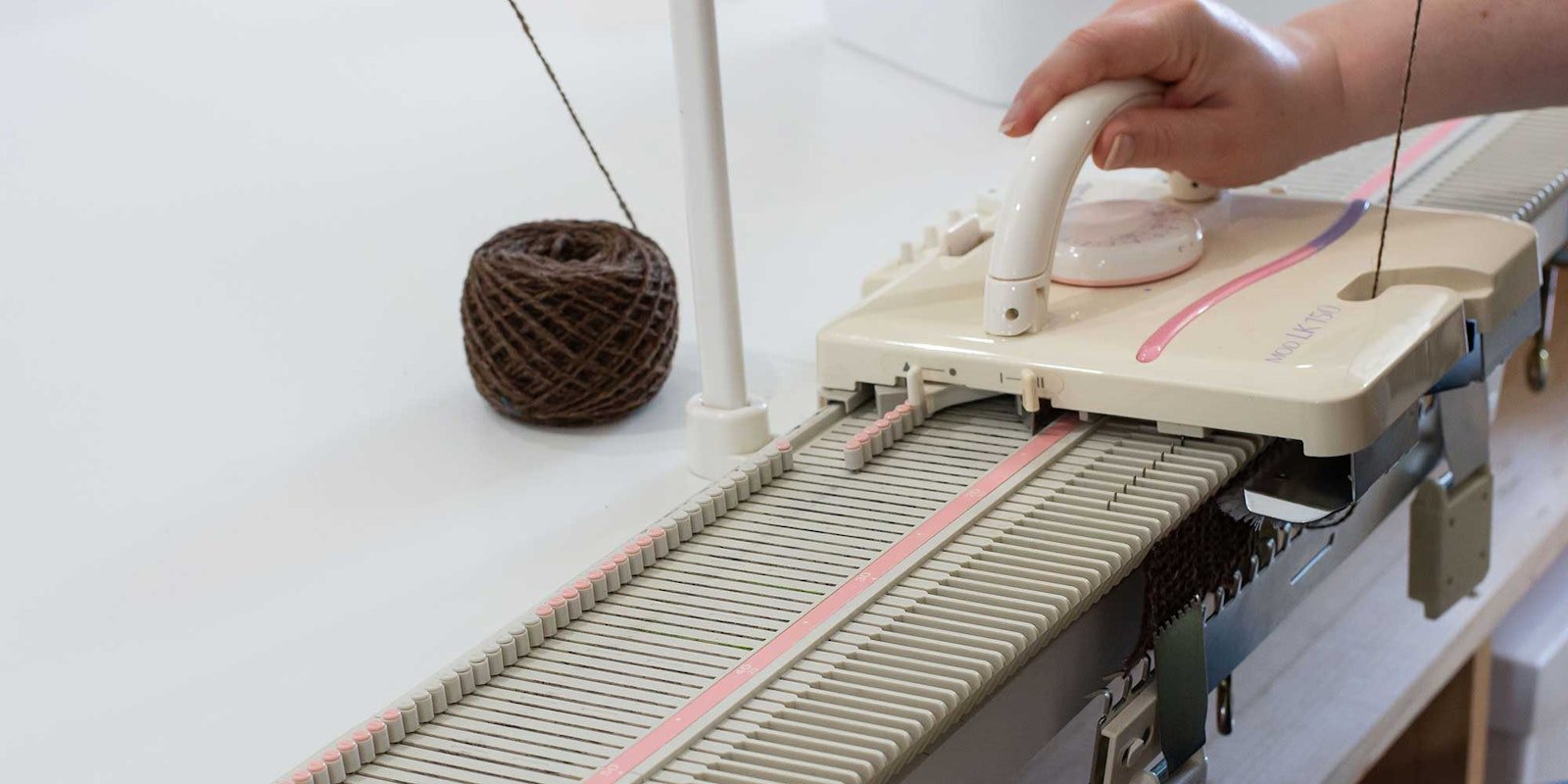
Begin knitting with your first color across the entire row. As you approach the edge of the color block, twist the new color yarn around the old color yarn on the outside of the work. This twist locks the colors together and prevents holes from forming at the transition point.
When switching to a new color, drop the previous yarn and pick up the new one. Always twist the yarns at the point of change. If you are changing colors frequently, consider using a yarn carrier or a multi-yarn guide to keep the process smooth and prevent tangles on the carriage.
Once the design is complete, bind off your work. Carefully weave in all loose ends on the wrong side of the fabric. For intarsia, it is crucial to weave in the ends in the direction of the color block they belong to, ensuring a clean and secure finish that maintains the integrity of the design.
Mastering intarsia takes practice, but the result is a professional-looking garment with vibrant, distinct colors. By treating each color change as a separate entity, you can create complex designs that look as good on the inside as they do on the outside.
Essential accessories for fluent knitting
True proficiency in machine knitting comes from the tools you attach to the bed. Just as a runner relies on proper footwear to move efficiently, a knitter depends on the right add-ons to maintain tension and expand stitch possibilities. These accessories transform a basic machine into a versatile studio capable of complex patterns and professional finishes.
Ribber attachments for double knitting
A ribber attachment is the single most impactful upgrade for any flat knitting machine. It allows you to knit double-bed fabrics, creating thick, reversible fabrics perfect for scarves, hats, and blankets. This setup effectively doubles your machine's functionality, letting you produce intricate ribbing and purl stitches that would be impossible on a single bed. The resulting fabric has significant body and warmth, making it ideal for wearable garments.
Yarn feeders and tension control
Consistent tension is the foundation of fluent knitting. Yarn feeders, such as cone holders or tension discs, ensure the yarn flows smoothly into the needles without tangling or snagging. Without proper feeding, even the best stitch patterns will look uneven or loose. Investing in a reliable yarn feeder system helps maintain uniform stitch length, which is critical for achieving that "knit fluent" aesthetic where every row looks deliberate and polished.
Stitch holders and waste yarn
Stitch holders and waste yarn are essential for managing complex projects like sweaters or colorwork. They allow you to pause work on specific sections while you knit others, preventing stitches from unraveling or losing their shape. This technique is particularly useful for creating seamless garments or adding intricate details later in the process. Proper use of these tools ensures your project remains organized and your tension stays consistent throughout.
Must-have accessories checklist
- Ribber attachment for double-bed knitting
- Yarn cone holders or tension discs
- Stitch holders for complex patterns
- Waste yarn for temporary pauses
- Tension discs for consistent stitch length
- Latch hooks for picking up dropped stitches
Frequently asked questions about knitting machines
Knitting machines can feel like a steep learning curve at first, but mastering the basics unlocks a world of consistent, professional-grade garments. Here are answers to common questions to help you get started.
What is the new knitting program on TV?
Channel 4 is airing Game of Wool, hosted by Olympic gold medalist Tom Daley. The series pits knitters against each other in cozy, high-stakes competitions. It’s a great watch for anyone looking to get inspired by creative stitch work and community-driven crafting.
Can I knit with any yarn on a machine?
Not all yarns work well. Fine, smooth yarns like cotton or acrylic blends are easiest for beginners. Thick, fuzzy, or highly textured yarns can tangle or jam the machine. Always check your machine’s gauge compatibility before buying yarn.
How do I fix a dropped stitch?
A dropped stitch can unravel quickly if left alone. Use a crochet hook or a specialized knitting tool to pick it back up row by row. Most modern machines include a stitch holder to prevent this, but knowing how to rescue a drop is essential for keeping your project intact.
Are knitting machines loud?
Manual machines are quiet, requiring only hand power. Electric models have a motor that makes a low humming sound, similar to a sewing machine. They are not disruptive in a home setting.
Can I make sweaters with a knitting machine?
Yes. Machines excel at knitting flat panels, which you then seam together to create sweaters. They handle ribbing, cables, and complex patterns with ease, saving hours of hand-knitting time.
No comments yet. Be the first to share your thoughts!