
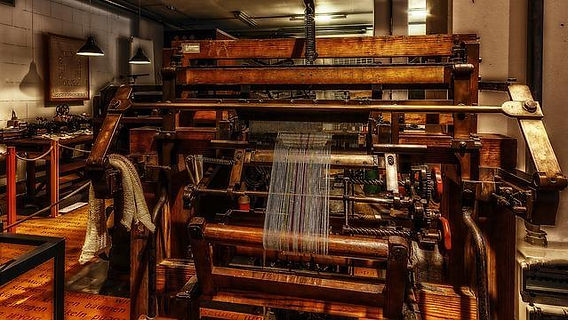

What makes a machine knit fluent
Being knit fluent means the machine responds to your intent without fighting you. It is the ability to read a pattern chart, manage tension across different yarn weights, and execute complex stitches like intarsia without constant frustration. When a machine is fluent, the technical barriers fade, allowing you to focus on the design rather than troubleshooting dropped stitches or tangled yarn.
This fluency relies on equipment that handles pattern changes and tension adjustments predictably. A machine that requires excessive manual intervention for every row break or color change breaks the flow of creation. True fluency emerges when the mechanical components—like the carriage, needle bed, and tension dials—work in harmony with standard knitting techniques.
Selecting a machine that supports this fluency is the first step toward mastery. You need a device that offers clear needle engagement, reliable tension control, and compatibility with the specific techniques you plan to use, such as intarsia or lace. The right machine becomes an extension of your hands, translating your pattern knowledge into finished fabric with minimal effort.
Best machines for intarsia patterns
Intarsia is the art of color blocking, and it demands a machine that can manage separate yarn bobbins without tangling or leaving gaps. Think of it like learning to speak fluent knit; you need the right vocabulary (tools) to express complex ideas (patterns) clearly. While hand-knitting allows for manual tension control, machines require specific carriage systems to handle the frequent yarn changes and color stops inherent in intarsia work.
The ideal machine for this task offers individual needle selection or a carriage that can easily isolate specific stitches. This prevents the "floats" (loose yarn strands) from becoming too long and snagging, which is the most common frustration in machine intarsia. Below are the top models known for handling these multi-color tasks with precision.


As an Amazon Associate, we may earn from qualifying purchases.
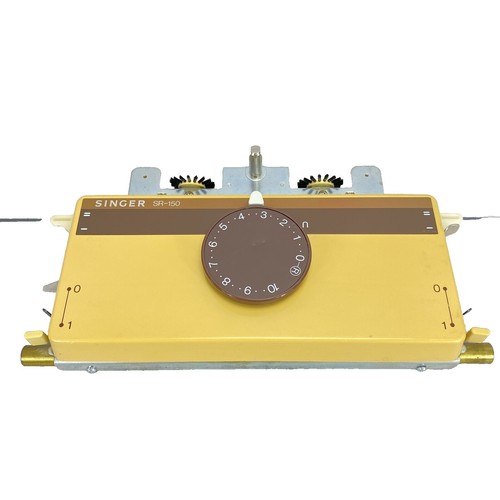
The Silver Reed SK840 is often cited as a favorite for intarsia because its electronic carriage allows for individual needle selection. This means you can knit specific colored blocks without affecting adjacent stitches, reducing the risk of errors and making the process much smoother. Similarly, the Passap E800 offers robust double-bed functionality, which provides extra stability for heavier yarns often used in color-blocking projects.
For those looking for a more accessible entry point, the Brother KH930 remains a solid choice. Its carriage system is designed to handle multiple yarn feeds efficiently, and the large community of users means there are plenty of tutorials specifically for machine intarsia on this model. When choosing, prioritize machines with easy-access yarn guides and carriages that can be adjusted for tension, as these features directly impact the quality of your color blocks.
Loom knitting machines
Loom knitting offers a different rhythm than traditional flatbed machines. Where flatbeds excel at complex cables and intarsia patterns, looms prioritize speed and texture for simpler garments like scarves, hats, and basic sweaters. Think of loom knitting as learning to speak fluent knit through repetition; the pegs guide your hands, allowing you to produce dense, stretchy fabric with minimal technical overhead.
For knitters seeking faster production on tubular projects, circular looms are the go-to. They create seamless tubes ideal for beanies and leg warmers. For wider projects like scarves or blankets, rectangular looms provide the necessary width. Both types allow you to knit without the tension control challenges of needle-based machines, making them accessible for quick gifts or practice.
The following comparison highlights the key differences between the most popular loom styles to help you choose the right tool for your next project.
| Loom Type | Best For | Fabric Shape |
|---|---|---|
| Circular | Hats, cowls, tubes | Seamless tube |
| Rectangular | Scarves, blankets | Flat panel |
| Knitting Machine (Flatbed) | Complex patterns, intarsia | Flat panel (seamed) |
How to choose your first knitting machine
Choosing a machine is about matching your ambition to the tool. Beginners often rush into complex flatbeds, only to find the tension dials and carriage mechanics overwhelming. The goal is to become "knit fluent"—where the machine moves with you, not against you. Start by defining your primary output: are you making simple accessories, or do you want to tackle complex colorwork?
Step 1: Start with a circular loom for basics
If you want to make scarves, beanies, and simple tubes without learning punch cards or ribber attachments, a circular loom is the safest entry point. These machines require minimal setup and let you focus on yarn handling rather than mechanical troubleshooting. They are forgiving, portable, and perfect for building confidence.

As an Amazon Associate, we may earn from qualifying purchases.
Step 2: Choose a flatbed for scarves and panels
When you are ready to knit flat pieces like scarves, blankets, or sweater panels, a simple flatbed machine is the next logical step. Look for models with a wide bed (at least 200 needles) to handle larger projects. These machines often include a ribber, allowing you to create stretchy cuffs and collars that circular looms cannot replicate.

As an Amazon Associate, we may earn from qualifying purchases.
Step 3: Upgrade to intarsia-capable machines for colorwork
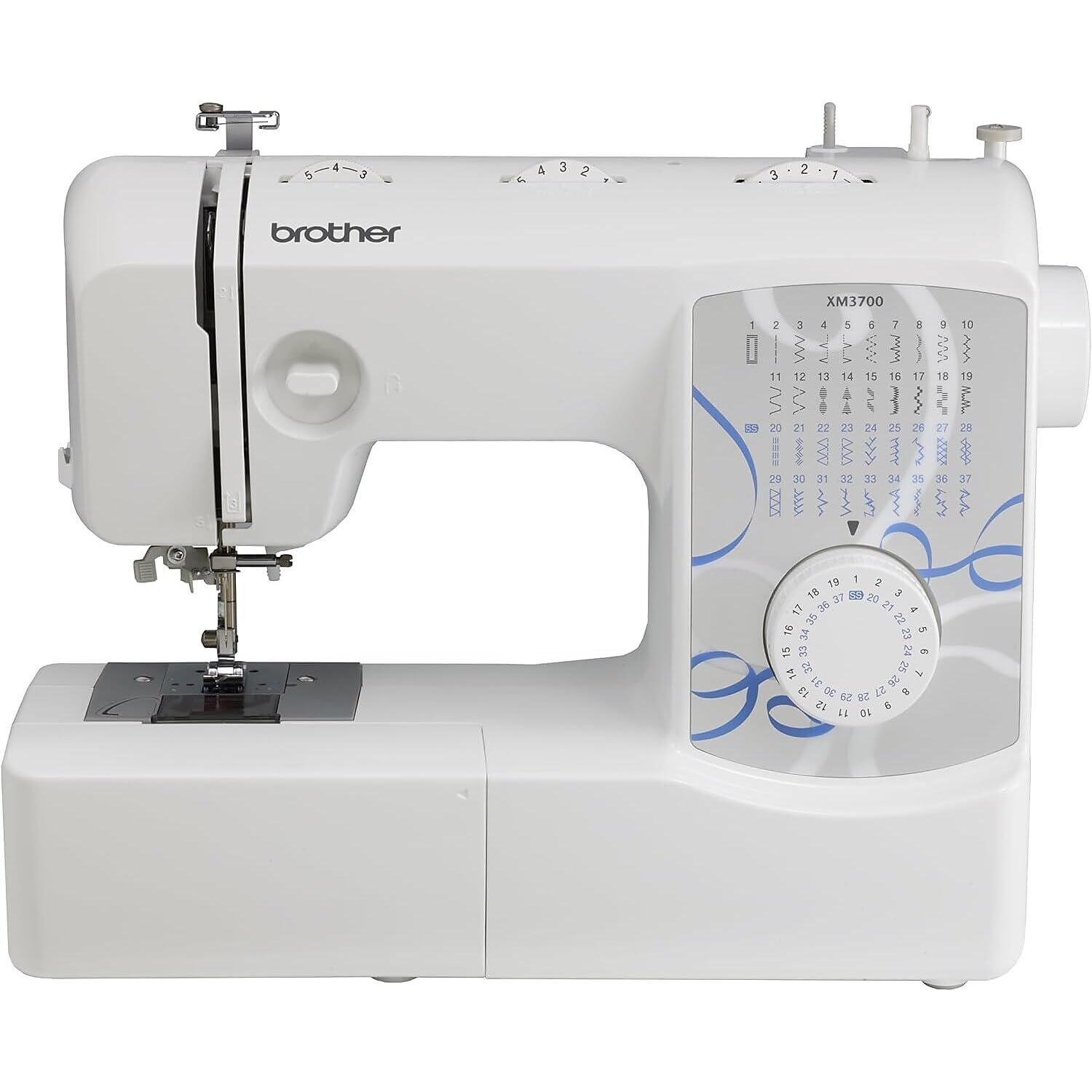
For knitters who want to create images, logos, or complex color blocks (intarsia), you need a machine with a ribber and a pattern card reader or electronic interface. This setup allows you to manage multiple yarn colors independently without carrying floats across the back. This is where you truly realize the creative potential of machine knitting.
As an Amazon Associate, we may earn from qualifying purchases.
Step 4: Verify compatibility and accessories
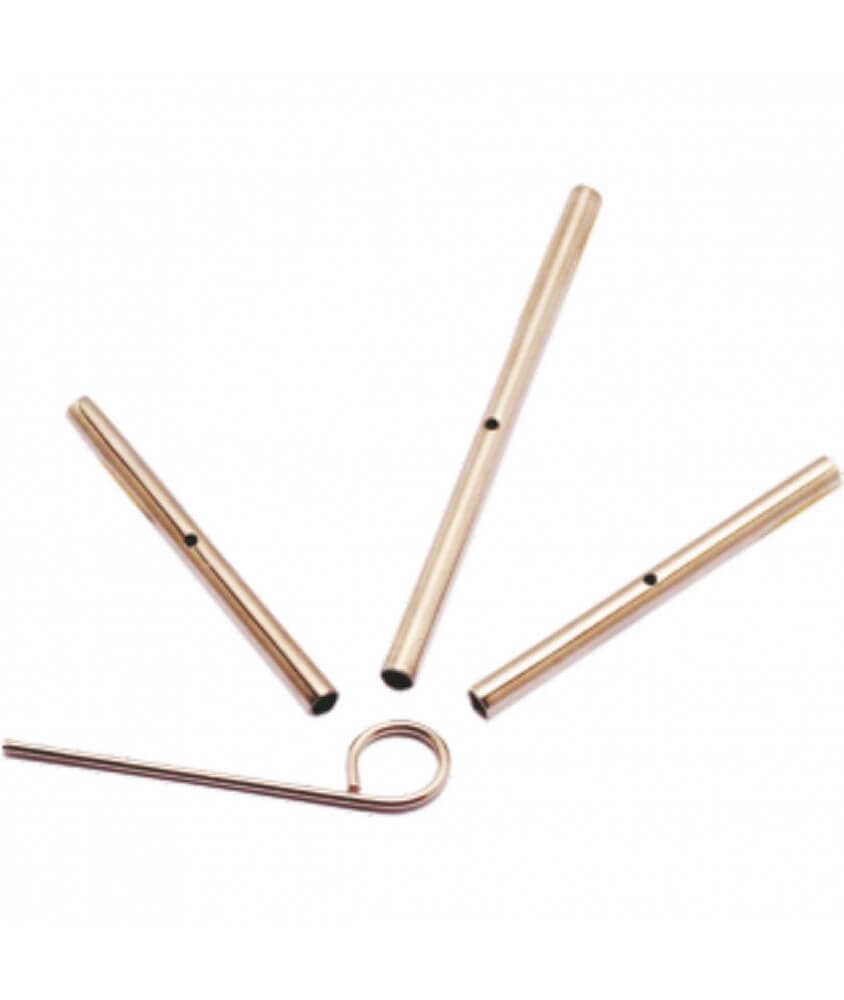
Before finalizing your purchase, check what comes in the box. A basic package usually includes the main bed and a carriage. You will likely need to buy a ribber separately if you plan to make cuffs or collars. Ensure you have enough yarn guides and a tension tool, as these small accessories make a huge difference in your daily workflow.
As an Amazon Associate, we may earn from qualifying purchases.
Step 5: Test the machine if possible
If you have a local yarn store or a knitting community with machines, try before you buy. Feel the weight of the carriage and the smoothness of the needle bed. A machine that feels heavy or sticky will discourage you from using it. A light, smooth machine encourages practice, which is the only way to become fluent.
Frequently asked questions about machine knitting
Can I do intarsia on a knitting machine?
Yes, but it requires specific tools. Unlike hand knitting, machine intarsia uses bobbins to manage separate colors. You need a yarn guide or color separator to prevent tangling. For beginners, the Passap Perfection system offers a more intuitive way to handle color changes without complex tension adjustments.
Is loom knitting faster than machine knitting?
Loom knitting is excellent for quick projects like scarves and hats, but it lacks the precision of a flatbed machine. For complex patterns or large garments, a knitting machine like the Brother KH910 is significantly faster and produces a more professional finish. Looms are best for beginners or casual knitters who prioritize ease over speed.
How do I maintain my knitting machine?
Regular maintenance is key to becoming knit fluent. Always oil the moving parts after every few projects using sewing machine oil. Clean the lint from the needle bed with a soft brush. Store your machine in a dry place to prevent rust, and keep the manual handy for troubleshooting tension issues.
What is the best yarn for machine knitting?
Not all yarns work in machines. Stick to worsted weight or sport weight yarns that are smooth and consistent. Avoid highly textured or fuzzy yarns, as they can jam the needles. The Lion Brand Wool-Ease is a popular choice for its durability and machine-friendly structure.
Can I use hand-knitting patterns on a machine?
Most hand-knitting patterns can be adapted, but you need to calculate your gauge first. Machine knitting often produces a denser fabric, so you may need to adjust the needle size or yarn weight. Always knit a swatch before starting your project to ensure the dimensions match your pattern.
No comments yet. Be the first to share your thoughts!