

Intarsia is taking over TikTok
If you've scrolled through knitting TikTok recently, you've seen the color blocks. Intarsia is everywhere right now. It's a technique where you knit blocks of color using separate yarn sources for each section. It's cleaner than Fair Isle because you aren't carrying long floats across the back of the work.
What’s driving this surge in popularity? I think it's a combination of factors. The visual impact is undeniable – intarsia projects are striking and really stand out. The process itself is also surprisingly satisfying to watch, and even more so to do. There’s a certain meditative quality to carefully building up these blocks of color. But it feels like the pendulum has swung away from the intricate, all-over patterns of Fair Isle, and towards bolder, more modern designs.
I'm really impressed by how accessible intarsia is becoming, thanks to the sheer volume of tutorial content on TikTok. Knitters are sharing their projects, offering tips, and encouraging others to try it. It’s creating a really supportive and inspiring community, and I think that's a huge part of why this trend is taking off. It’s a refreshing change and a beautiful technique.

The motifs people are actually knitting
Scrolling through TikTok, a few key intarsia motifs consistently appear. While floral designs are popular – specifically stylized cherry blossoms and larger, painterly roses – it's not just about flowers. Geometric patterns are huge, especially those inspired by mid-century modern design. Think bold color blocking and asymmetrical shapes. We're seeing a lot of knitters incorporating gradients into their work, blending shades of blue or pink for a stunning effect.
Animal motifs are also gaining traction. Cats, particularly cartoonish or whimsical depictions, seem to be a favorite. Bears and foxes also appear frequently. I've noticed a surprising amount of intarsia featuring characters from popular media – anime and video game icons are common. These projects often require more advanced skills, but the results are worth it.
To find these trends, the hashtags to watch are #intarsiaknit, #tiktokknitting, #colorworkknitting, #knittingtiktok, and #intarsiacolorwork. There's a growing community using #intarsiamotifs to share inspiration and pattern ideas. Many creators are also using hashtags related to specific designs, like #cherryblossomknit or #geometricintarsia.
How to handle the yarn
Intarsia knitting relies on a few fundamental techniques. The core principle is carrying each color yarn across the back of the work only for the stitches that need that color. This avoids the floats you get with Fair Isle. Twisting the yarn is important when joining a new color to prevent gaps. This is done by twisting the two yarns together at the color change.
Reading charts is also crucial. Intarsia charts are typically block-shaped, with each block representing a specific color. Understanding how to interpret these charts will unlock a whole world of pattern possibilities. The Knitting Help video on YouTube (uploaded March 23, 2011) is a fantastic visual resource for understanding the basics.
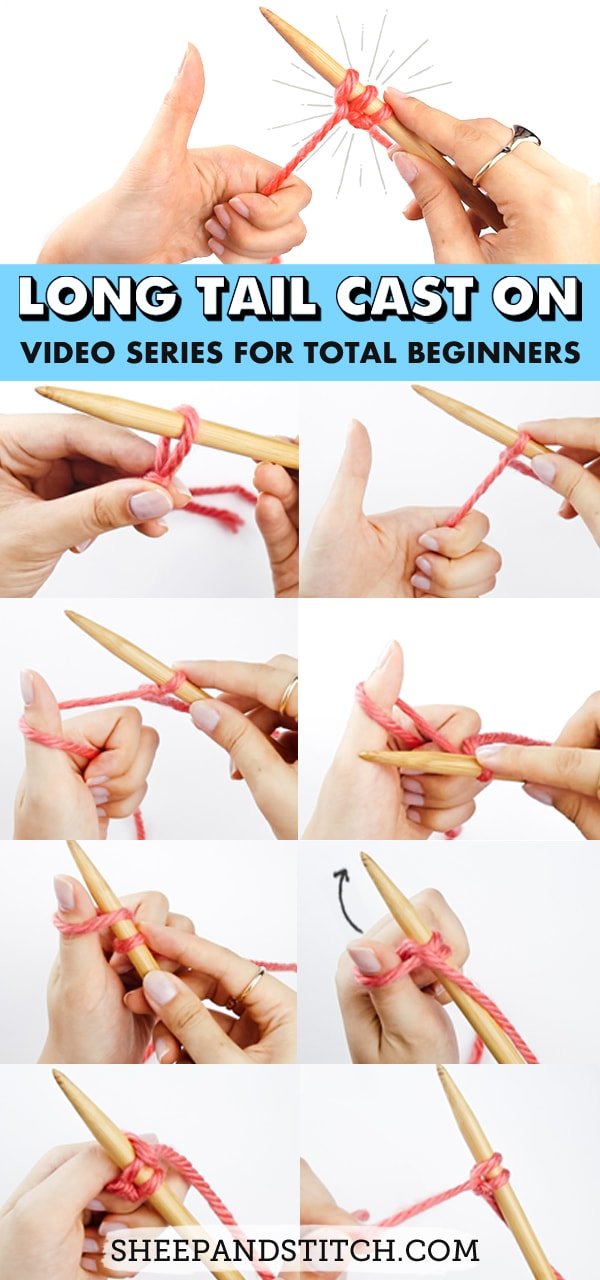
Tension is the hardest part. If you pull too tight at the color changes, the fabric puckers. I've found that the Knitting Help video from 2011 is still the best way to see how the yarn should actually sit between your fingers.
The gear you'll see on your feed
Most people on the app use DK weight yarn like Cascade 220 or Malabrigo Rios. It's thick enough to grow fast but thin enough that the designs don't look pixelated. You'll usually see US 6 or 7 needles being used, though I prefer circulars even for flat pieces so the weight of the yarn doesn't strain my wrists.
Yarn bowls are everywhere in these TikTok videos. They keep the yarn from rolling away and tangling, which is essential when working with multiple colors. Stitch markers are also a must-have for marking the beginning and end of color changes, or for keeping track of pattern repeats. Many knitters are using locking stitch markers.
I've noticed a recent trend towards using tapestry needles for weaving in ends – they’re a bit larger and make the process faster. While not essential, some knitters are also using row counters to keep track of their progress, especially on larger, more complex designs.
Essential Intarsia Tools
- Yarn Bowl - Keeps your yarn clean and tangle-free, crucial when managing multiple colors for intarsia. Ceramic or wooden options are popular.
- Intarsia Needles - While straight needles can work, dedicated intarsia needles (often with a slight point) help prevent ladders. Addi and KnitPro both offer options.
- Waste Yarn - Used to hold stitches when 'weaving in' color changes, preventing gaps. Any inexpensive yarn will do.
- Tapestry Needles (various sizes) - Essential for weaving in ends, which are numerous in intarsia projects. John James needles are a well-regarded brand.
- Stitch Markers - Help mark pattern repeats or color changes, keeping your intarsia design accurate. Clover offers a wide variety of locking and ring stitch markers.
- Row Counter - Keeping track of rows is vital for complex intarsia patterns. Digital or manual row counters are available from brands like Knit Picks.
- Blocking Mats and Pins - Blocking is *essential* for intarsia to even out the fabric and prevent puckering. A set of interlocking foam mats and T-pins are ideal.
Common mistakes and how to fix them
We've all been there – those frustrating moments when intarsia just doesn't seem to want to cooperate. A common beginner mistake is dropping stitches, especially when switching between colors. The solution? Slow down and double-check your work after each color change. Use stitch markers to help you keep track of your stitches.
Uneven tension is another frequent issue. If your intarsia fabric is puckering, try to relax your grip and maintain consistent tension in all your yarns. Blocking can also help to even out the fabric. Yarn management is also tricky. Keep your yarn balls separate and organized to avoid tangles.
Don’t be afraid to frog (rip out) your work if you make a mistake. It’s better to start over than to continue with a flawed project. And remember, practice makes perfect. The more you knit intarsia, the more comfortable and confident you’ll become.
Moving past the basics
As knitters become more comfortable with the fundamentals of intarsia, they’re starting to explore more advanced techniques on TikTok. I’m seeing more experimentation with curved shapes and complex geometric designs. Achieving smooth curves requires careful attention to tension and stitch placement.
Blending colors seamlessly is another emerging trend. Knitters are using multiple shades of the same color to create subtle gradients and transitions. This requires a good understanding of color theory and a steady hand. Some are also incorporating textured stitches, like bobbles or cables, into their intarsia designs.
I’ve noticed a few knitters tackling intarsia in the round – a really challenging technique that requires careful planning and execution. It’s still relatively uncommon, but it’s definitely gaining traction. It's exciting to see the boundaries of what's possible with intarsia being pushed.
Patterns worth trying
Several intarsia patterns have become particularly popular on TikTok. The 'Strawberry Fields' cushion cover by Claire Montagne (available on Ravelry) is a standout, with its cheerful strawberry motif. Many knitters are sharing their versions, showcasing different color combinations. The 'Fox in the Woods' sweater by Joji Locatelli (paid pattern on Ravelry) is also gaining traction.
For beginners, the 'Geometric Color Block' beanie pattern (free on Ravelry) is a great starting point. It’s a simple design that allows you to practice the basic intarsia techniques without being overwhelmed. The 'Cherry Blossom Branch' wall hanging (free pattern available on several knitting blogs) is another accessible option.
I’ve also seen a lot of knitters designing their own intarsia patterns, inspired by images they find online. This is a great way to express your creativity and personalize your projects. Platforms like Pinterest and Instagram are excellent sources of inspiration.
No comments yet. Be the first to share your thoughts!