

Looms Go Global: The Rise of Portable Knitting
Loom knitting is experiencing a significant resurgence, particularly appealing to those who embrace a location-independent lifestyle. The image of a woman knitting on a small circular loom in a Bali café, laptop open beside her, perfectly captures this growing trend.
Loom knitting creates fabric using a loom to weave yarn into stitches, differing from traditional needle knitting. Its primary advantage is portability; looms are smaller and lighter than needles and yarn, making them easier to transport. Though centuries old, its current revival is driven by a desire for accessible, on-the-go crafting.
Loom knitting was once seen as a simpler alternative to needle knitting, but that perception is changing. The demand for portable hobbies and innovative loom designs is bringing loom knitting into the mainstream. It offers a practical solution for people who want to continue crafting while traveling, providing a viable option for a specific lifestyle.
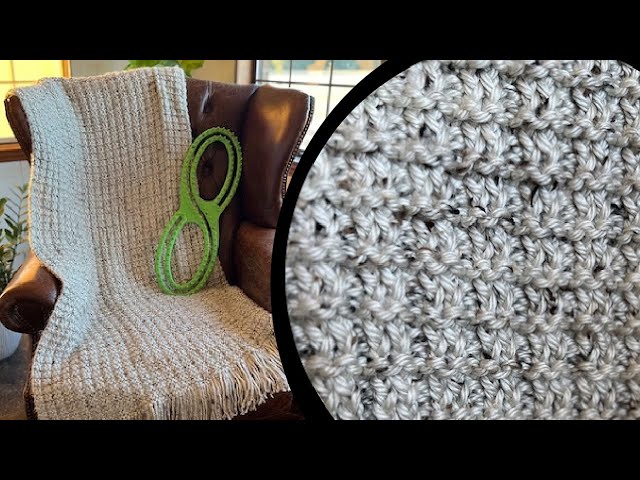
Why Needles Feel Heavy: Digital Nomad Pain Points
The digital nomad life, built on freedom and flexibility, faces practical challenges with packing and moving. Traditional knitting, with its needles, yarn, and accessories, presents a significant logistical challenge due to its bulk, making packing a frustrating exercise.
Needles can also get misplaced, bent, or broken during transit, risking damage to projects. Finding dedicated knitting spaces while constantly moving is difficult, as cafes, co-working spaces, or temporary accommodations are not ideal for a full knitting setup.
The time commitment of complex knitting projects can be overwhelming when juggling work, travel, and exploration. The constant need to pack and unpack, combined with the instability of a nomadic lifestyle, makes it hard to maintain momentum on larger projects.
Loom Knitting's Advantages: Speed, Simplicity, and Space
Loom knitting addresses many digital nomad pain points, with speed being a frequently cited benefit. Beginners can learn the basics quickly, and complex patterns can be completed faster on a loom than with traditional needles. For example, a simple hat can be created in a matter of hours, as demonstrated in the LoomaHat.com YouTube video, “HOW TO LOOM KNIT Step by Step.”
Loom knitting requires less hand and wrist dexterity than traditional knitting, which can be a relief for those experiencing repetitive strain injuries. The process is more ergonomic, reducing fatigue during longer crafting sessions and offering a different type of hand activity for those who spend a lot of time working on a laptop.
The biggest benefit is the compact footprint. Looms are smaller and lighter than needles, making them easier to pack and transport. A circular loom can slip into a backpack or carry-on with yarn. This portability is crucial for digital nomads who want to craft without sacrificing luggage space. Reduced complexity also means less to track, lowering the risk of losing essential tools.
The Loom Market in 2026: What’s Changing
The loom knitting market is evolving. Traditional round and long looms remain popular, but innovative designs geared toward portability and versatility are surging. Manufacturers are responding to demand for smaller, lighter looms, with a noticeable increase in travel-sized kits on sites like Etsy and Amazon.
Material innovation is also playing a role. While wood and plastic looms are common, companies are experimenting with recycled plastics and lightweight metals for more durable, eco-friendly products. Modular looms, which can be disassembled and reconfigured, are another significant trend.
Online communities and resources are booming. Facebook groups, like one discussing cable heart patterns, offer spaces for knitters to share tips, patterns, and inspiration. YouTube channels provide tutorials, and Ravelry hosts a growing collection of loom knitting patterns. This accessibility to information and support drives the hobby's growth.
Beyond Beanies: Expanding Loom Knitting Projects
The perception that loom knitting is limited to hats and scarves is outdated. Knitters are pushing boundaries, creating complex items like sweaters, blankets, and intricate patterned garments using loom knitting techniques.
Techniques like colorwork, shaping, and cable knitting, once exclusive to needle knitters, are now adapted for looms. The LOOM KNIT website offers a PDF tutorial on loom knitting cables, showing the potential for textured and visually interesting designs. These techniques, while requiring skill and patience, open up new creative possibilities.
Examples of loom-knit shawls with delicate lace patterns and afghans with complex color combinations exist. The key is to experiment and explore different techniques. Limitations are often self-imposed; creativity allows for a wide range of creations.
Community & Connection: Loom Knitting Online
The online community surrounding loom knitting is supportive. Platforms like Facebook groups, Ravelry, and YouTube channels allow knitters to connect, share patterns, get advice, and find inspiration. This community is valuable for digital nomads, who may be far from their traditional support networks.
Facebook groups are active spaces where knitters share project photos, ask questions, and offer encouragement. YouTube channels offer tutorials for all skill levels, and Ravelry serves as a repository for patterns and discussion.
Several loom knitting influencers and designers have emerged, creating original patterns and tutorials and building dedicated followings. These individuals promote the hobby and inspire others to explore its creative potential. The shared passion for loom knitting fosters belonging and connection across geographical boundaries.
Loom vs. Needles: A Practical Decision Matrix
Choosing between loom knitting and traditional needle knitting ultimately depends on your individual needs and priorities. Here’s a comparison, specifically tailored to the digital nomad lifestyle:
This table isn’t about declaring one method superior; it’s about highlighting the strengths and weaknesses of each, allowing you to make an informed decision based on your own circumstances. For a digital nomad prioritizing portability and speed, loom knitting often emerges as the more practical choice. But for those focused on intricate designs and a wider range of stitch patterns, needles may still be preferable.
- Portability: Loom Knitting – Excellent (compact looms, easy to pack). Needle Knitting – Fair (needles and yarn can be bulky).
- Speed: Loom Knitting – Good (faster for simple projects). Needle Knitting – Variable (depends on skill and project complexity).
- Learning Curve: Loom Knitting – Easy (beginner-friendly). Needle Knitting – Moderate to Difficult (requires more practice).
- Project Complexity: Loom Knitting – Moderate (expanding possibilities with new techniques). Needle Knitting – High (unlimited design options).
- Cost of Entry: Loom Knitting – Low to Moderate (looms are relatively inexpensive). Needle Knitting – Moderate (needles can be costly, especially high-quality sets).
- Space Requirements: Loom Knitting – Minimal (looms take up less space). Needle Knitting – Moderate (requires space for needles, yarn, and projects).
- Repetitive Strain Injury: Loom Knitting – Low (less hand and wrist strain). Needle Knitting – Moderate to High (can cause fatigue and pain).
Loom Knitting vs. Needle Knitting: A Comparison for the Modern Knitter
| Factor | Loom Knitting | Needle Knitting |
|---|---|---|
| Portability | High. Looms, especially smaller round looms, are compact and easily transported, ideal for knitting on the go. | Medium. Needles and projects can be portable, but require more careful packing and space than most looms. |
| Speed | Fast. Many projects, particularly simple ones like hats and scarves, can be completed more quickly on a loom due to the simplified stitch creation. | Moderate. Knitting speed varies greatly with skill and project complexity, but generally takes longer than loom knitting for comparable items. |
| Learning Curve | Easy. The basic mechanics of loom knitting are relatively simple to grasp, making it accessible to beginners. | Moderate. Requires learning multiple techniques (casting on, knit stitch, purl stitch, etc.) and can take time to master. |
| Project Complexity | Limited. While increasingly versatile, loom knitting is traditionally better suited for simpler projects with repetitive patterns. Intricate shaping can be challenging. | Extensive. Needle knitting allows for a wide range of stitch patterns, shaping techniques, and complex designs. |
| Cost | Low to Medium. Basic loom sets are relatively inexpensive, though prices increase with size and features. Yarn costs remain consistent. | Medium to High. Quality needles can be expensive, and the cost of yarn varies widely depending on fiber content and quantity. |
| Space Required | Small. Looms take up less space than the amount needed to manipulate needles and a growing project. | Medium. Projects in progress and the necessary space to maneuver needles require more room. |
| RSI Risk | Low. The repetitive motions are generally less stressful on hands and wrists compared to the fine motor skills required for needle knitting. | Medium to High. Repetitive hand movements can contribute to repetitive strain injuries (RSI) like carpal tunnel syndrome, especially with prolonged use. |
Illustrative comparison based on the article research brief. Verify current pricing, limits, and product details in the official docs before relying on it.
Looking Ahead: Loom Knitting's Future with Remote Workers
As the digital nomad lifestyle continues to grow, I expect to see even more innovation in the loom knitting world. We’ll likely see the development of even more portable and versatile loom designs, perhaps incorporating features like automatic yarn tensioners or interchangeable components.
A greater emphasis on sustainable materials and practices is also likely. Knitters are increasingly conscious of the environmental impact of their hobbies, and demand for eco-friendly yarns and looms will continue to rise. I think we'll see more looms made from recycled materials and a wider availability of sustainable yarn options.
Ultimately, loom knitting has the potential to empower creativity and connection for people on the move. It offers a practical, accessible, and rewarding hobby that can be enjoyed anywhere in the world. The future looks promising for this resurgence of a classic craft, particularly as more and more people embrace a location-independent lifestyle.

No comments yet. Be the first to share your thoughts!