

Tiny Hats, Big Impact
Handmade hats are a staple in neonatal wards. Knitters have made these for decades because newborns, especially preemies, lose heat quickly through their heads. A simple wool or cotton cap is a practical gift that helps families during their first few days in the hospital.
Hospitals often rely on these donations, as the need for these items is constant. Demand is steadily increasing, mirroring birth rates and a growing awareness of the benefits of providing personalized comfort to newborns. What’s changing now, alongside this continued need, is how we approach creating these gifts. There's a growing push towards sustainable practices, and knitting is no exception.
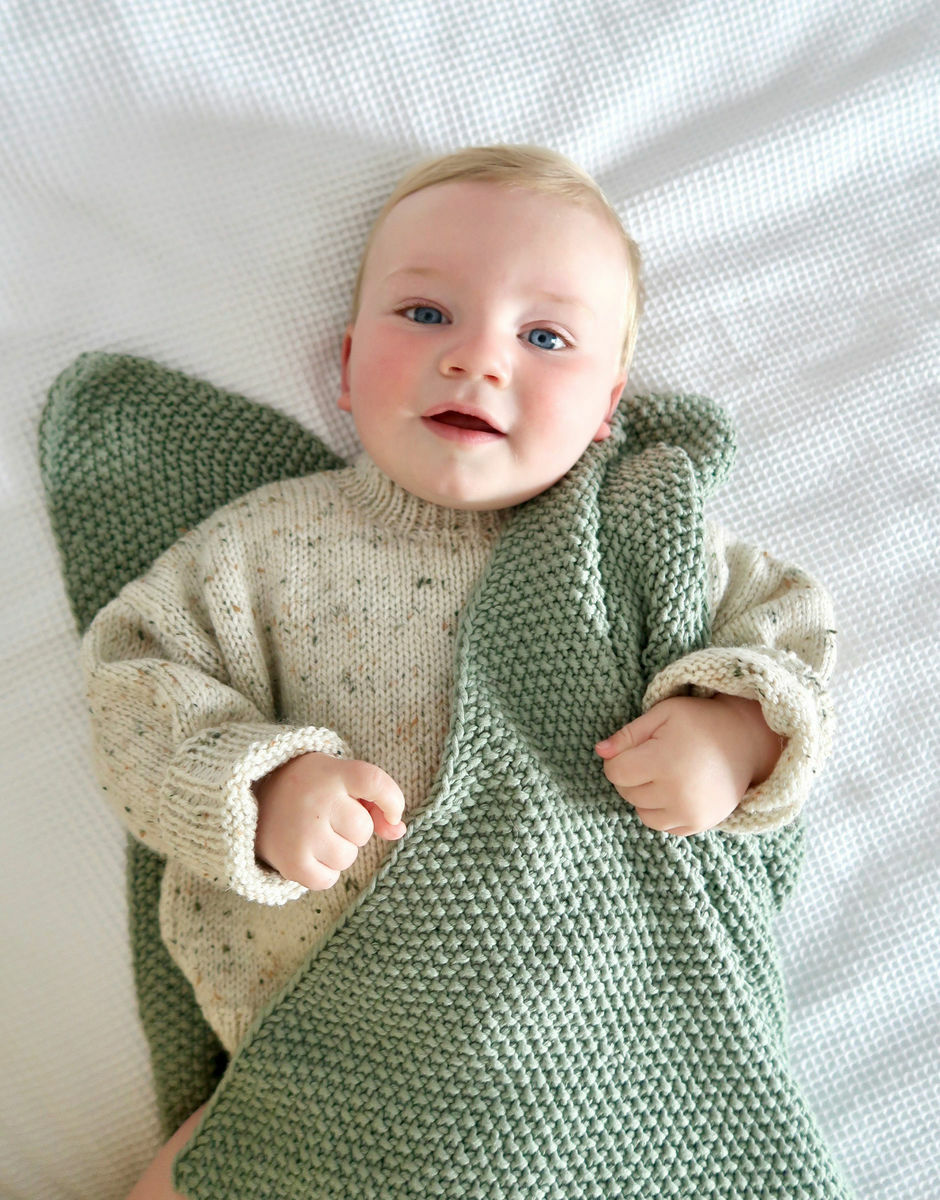
Many knitters are now switching to recycled yarns to reduce the environmental footprint of their hobby. It is a simple way to keep the tradition alive while using materials that already exist. I've looked into the best recycled fibers and patterns that work for hospital donations.
The environmental cost of yarn
The yarn industry, like many textile industries, has a significant environmental footprint. Conventional cotton production requires vast amounts of water and often relies on pesticides, while acrylic yarn is derived from petroleum, a non-renewable resource. Even seemingly natural fibers like wool can have impacts related to land use and animal welfare. According to the Environmental Protection Agency, textile waste accounted for 17 million tons of landfill waste in 2018 alone.
Choosing recycled yarn is a powerful way to lessen this impact. Recycled yarns are created from pre-consumer waste – scraps and cuttings from textile mills – or post-consumer waste, like plastic bottles or used clothing. Using these materials reduces the demand for virgin resources, conserves water, and lowers carbon emissions. For example, producing recycled polyester (rPET) uses approximately 59% less energy than producing virgin polyester.
Acrylic is essentially plastic made from oil, giving it a high carbon footprint. Even conventional cotton is thirsty, requiring thousands of liters of water for a single kilogram of fiber. Recycled cotton and polyester are better alternatives. They aren't perfect, but they use what we've already produced rather than extracting more raw materials.
Where to find recycled fibers
The landscape of recycled yarn is constantly evolving, with more innovative options becoming available. In 2026, you’ll find a wider range of choices than ever before. Recycled cotton yarn, often made from textile scraps, is a great option for its softness and breathability, though it can sometimes be less durable than other materials. Recycled polyester (rPET), made from plastic bottles, is durable, affordable, and readily available.
Beyond the usual suspects, keep an eye out for more experimental materials. Milk protein fiber, created from waste casein from the dairy industry, is incredibly soft and gentle on sensitive skin. Seaweed fiber, while still relatively new, is gaining traction as a sustainable alternative with natural antibacterial properties. However, the availability of seaweed yarn can be limited and it may be pricier.
Several brands are leading the charge in sustainable yarn production. Loopy Mango, for example, offers a range of recycled cotton and other eco-friendly yarns. Darn Good Yarn specializes in sourcing yarns made from recycled sari silk and other repurposed materials. You can also find a growing selection of recycled yarns on Etsy and directly from smaller, independent dyers. Expect to pay between $8 - $20 per skein, depending on the material and brand.
When choosing yarn for baby hats, consider softness, washability, and potential allergens. While recycled polyester is durable, it’s not as breathable as natural fibers. Recycled cotton is a good all-around choice, but make sure it’s pre-washed to prevent shrinkage. Always check the yarn label for fiber content and care instructions.
- Recycled cotton is soft and breathable for sensitive skin, though it lacks the elasticity of wool.
- Recycled Polyester (rPET): Durable, affordable, easy to care for, less breathable.
- Milk Protein Fiber: Exceptionally soft, gentle, good for delicate skin, may be more expensive.
- Seaweed Fiber: Sustainable, antibacterial, relatively new, limited availability.
Recycled Yarn Comparison for Baby Hospital Hats (2026)
| Material | Softness | Durability | Washability | Best Use |
|---|---|---|---|---|
| Recycled Cotton | High | Medium | Machine Washable | Baby Hats, Blankets, Garments |
| rPET (Recycled Polyethylene Terephthalate) | Medium | High | Machine Washable | Hats, Durable Accessories |
| Recycled Milk Fiber | Very High | Low-Medium | Hand Wash Recommended | Sensitive Skin Items, Lightweight Hats |
| Recycled Wool | High | High | Hand Wash Recommended | Warm Hats, Outerwear |
| Recycled Acrylic | Medium | Medium-High | Machine Washable | Affordable Hats, Everyday Wear |
| Recycled Nylon | Medium | Very High | Machine Washable | Reinforced Areas, Durable Accessories |
| Recycled Cashmere/Wool Blend | Very High | Medium | Hand Wash Recommended | Luxurious Hats, Special Occasions |
Illustrative comparison based on the article research brief. Verify current pricing, limits, and product details in the official docs before relying on it.
Pattern Focus: Simple Hospital Hat Designs
The key to successful hospital hat knitting is simplicity. Volunteers often need to produce hats quickly and efficiently, so patterns with minimal shaping and straightforward stitches are ideal. The hats also need to be soft and non-irritating for delicate newborn skin. Luckily, there are many free patterns available that fit the bill.
TheMakeYouOwnZone.com offers several beginner-friendly patterns specifically designed for hospital hats. Their basic ribbed hat pattern is a classic choice, using simple knit and purl stitches to create a comfortable and stretchy fit. KnittingParadise.com’s forum also has numerous patterns shared by members, often with modifications specifically for hospital donations. Many knitters share their designs on Pinterest as well, offering a wealth of inspiration.
Here's a basic pattern adapted from several sources: Cast on 80-100 stitches (adjust based on yarn weight). Knit in K1, P1 ribbing for about 4-6 inches. Bind off loosely. This creates a simple, stretchy hat that’s easy to customize. For a slightly more shaped hat, you can decrease stitches gradually over the last inch or two. Remember to use a soft yarn and a loose gauge to ensure the hat is comfortable for newborns.
Another popular design involves a simple stockinette stitch hat with a folded brim. This can be achieved by knitting in stockinette stitch (knit on the right side, purl on the wrong side) for about 6-8 inches, then folding the brim up and sewing it in place. This creates a snug fit that stays on well. The important thing is to keep the design simple and focus on using soft, comfortable yarn.
- Cast on 80 stitches for a standard newborn size or 60 for a preemie hat.
- Step 2: Knit in K1, P1 ribbing for 4-6 inches.
- Step 3: Bind off loosely.
- Step 4: Weave in ends.
Adapting Patterns for Different Yarns
One of the beautiful things about knitting is its adaptability. You don’t need to stick rigidly to a pattern; you can adjust it based on the yarn you have on hand. If you’re using a heavier weight yarn, you’ll need to cast on fewer stitches to achieve the correct size. Conversely, if you’re using a lighter weight yarn, you’ll need to cast on more stitches.
To calculate the number of stitches needed, knit a gauge swatch – a small square of knitting using the yarn and needles you plan to use. Measure the number of stitches and rows per inch. Then, compare your gauge to the gauge specified in the pattern. Adjust the number of stitches accordingly. For example, if the pattern calls for 4 stitches per inch and your gauge is 5 stitches per inch, you’ll need to cast on fewer stitches.
Yarn substitution is also possible, but be mindful of the fiber content and drape. If the pattern calls for a soft, drapey yarn like merino wool, you might substitute a recycled cotton or bamboo yarn with a similar weight and texture. Avoid using overly scratchy or stiff yarns, as these can irritate delicate newborn skin. Always test a small swatch before committing to a full project.
Hospital Donation Guidelines
Before you start knitting a large batch of hats, it’s essential to check the specific requirements of the hospitals you plan to donate to. Hospitals have different guidelines regarding yarn type, size, and color preferences. Some hospitals may prohibit the use of acrylic yarn due to its flammability, while others may have size restrictions based on the needs of their premature babies.
Many hospitals prefer hats that are made from soft, natural fibers like cotton or bamboo. They may also have specific color preferences, such as pastels or neutral tones. It's always best to contact the hospital's volunteer services department directly to inquire about their current needs and guidelines. Unfortunately, the Ottawa Hospital website currently returns a 404 error, so specific guidelines are unavailable.
Organizations like Hats for Babies often act as intermediaries, collecting hats from knitters and distributing them to hospitals in need. They typically have detailed guidelines on their websites regarding acceptable materials and sizes. Checking these resources can save you time and ensure your hats are accepted and used. Remember, a little research upfront can make a big difference.
Natural dyes and upcycling
The sustainable knitting movement is expanding beyond just yarn choices. In 2026, we’re likely to see a growing interest in natural dyeing techniques, using plant-based materials like avocado pits, onion skins, and marigolds to color yarns. This reduces the reliance on synthetic dyes, which can be harmful to the environment.
Upcycling clothing into yarn is another emerging trend. Knitters are finding creative ways to repurpose old sweaters, t-shirts, and other garments into new yarn, reducing textile waste and creating unique, one-of-a-kind projects. The popularity of knitting circles focused on charitable projects is also on the rise, fostering a sense of community and purpose.
We can also anticipate more innovative recycled yarn options becoming available. Companies are constantly exploring new ways to transform waste materials into high-quality yarns. While seaweed yarn may still be niche, expect to see more experimentation with alternative fibers in the coming years.

No comments yet. Be the first to share your thoughts!