

Knitting Machines Evolve: AI's Arrival
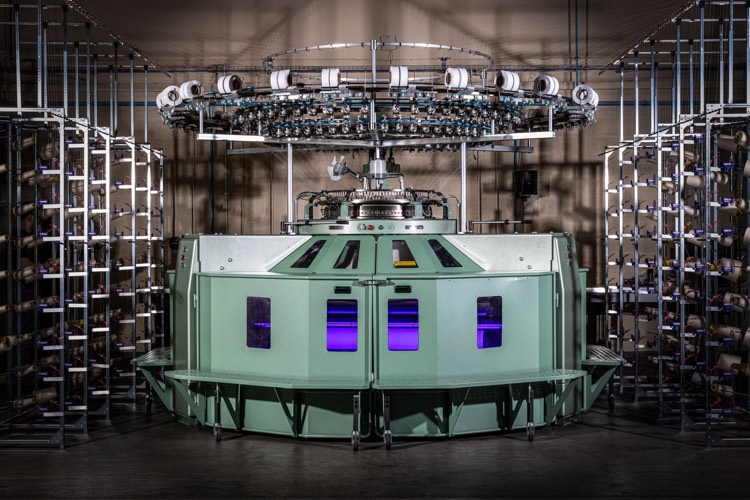
For decades, knitting machines have offered a faster alternative to hand knitting, but they've always required a skilled operator to manage them. Traditionally, these machines – from simple circular looms to complex flatbed industrial models – operated on pre-programmed patterns. You told the machine what to do, and it did it, rigidly following your instructions. This meant limitations in design flexibility and a steep learning curve for anyone wanting to create truly unique pieces.
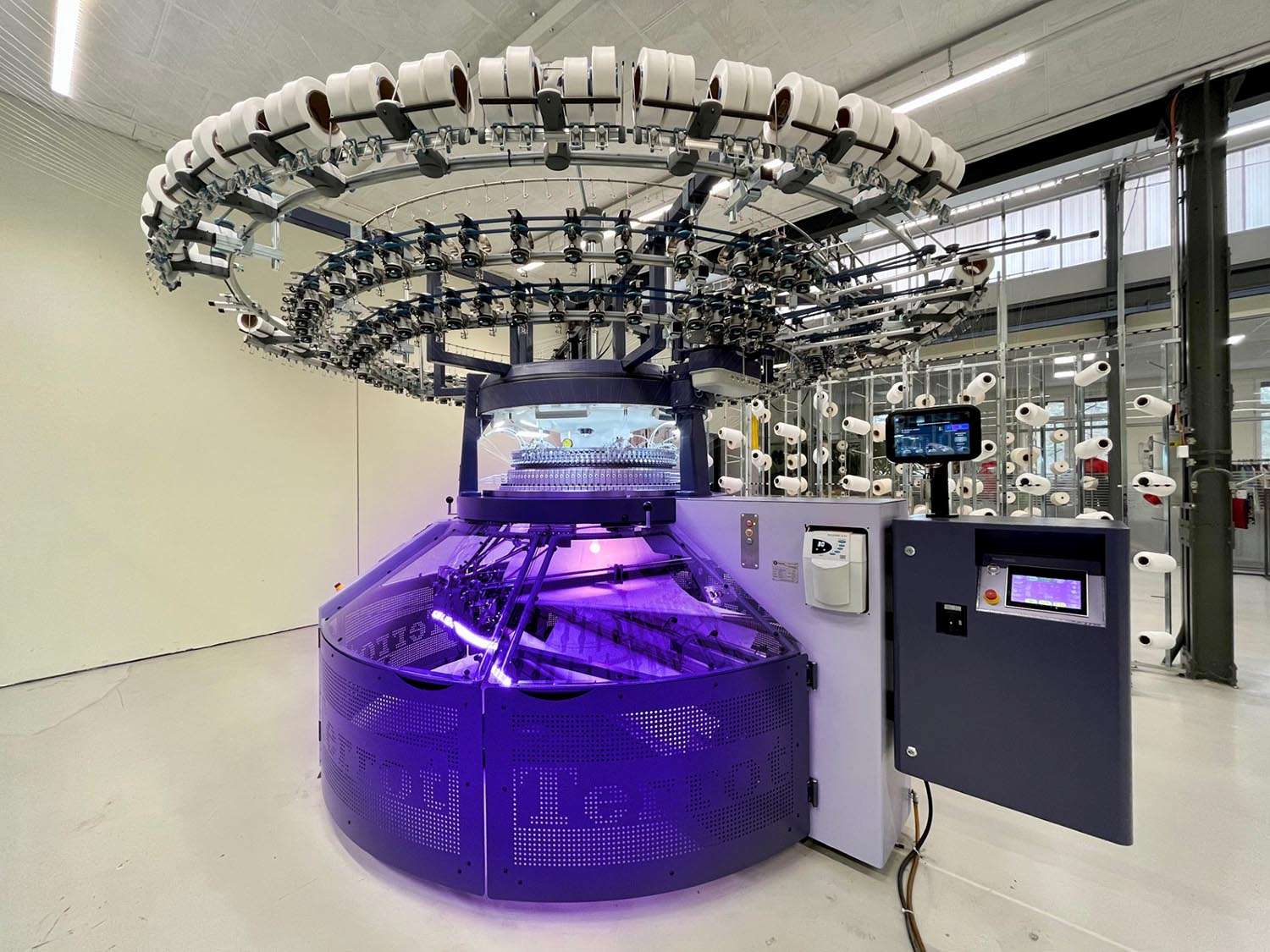
However, the knitting world is changing. The rise of artificial intelligence is beginning to impact how these machines function. 'AI' in this context doesn’t mean robots designing sweaters independently, at least not yet. Instead, it refers to machines equipped with software and sensors that allow them to learn, adapt, and automate tasks that previously required human intervention. We’re seeing a shift from machines that execute instructions to machines that can assist in the creative process.
The demand for automation in textile production is growing, driven by factors like rising labor costs and a desire for greater efficiency. This demand extends beyond large-scale industrial operations to hobbyists and craft enthusiasts who want to explore more complex designs without spending countless hours knitting by hand. AI-powered knitting machines aim to bridge this gap, offering a blend of speed, precision, and creative potential. The impact of this new technology is still unfolding, but it’s clear that AI is poised to reshape the future of knitting.
This isn’t about replacing the human knitter, at least not entirely. It’s about augmenting our abilities, allowing us to tackle more ambitious projects, and explore new creative avenues. The integration of AI isn't a sudden leap; it’s a gradual evolution, building upon decades of innovation in machine knitting technology.
What Can AI Knitting Machines Actually Do?
The capabilities of AI knitting machines are expanding rapidly. At the most basic level, many new machines offer pattern recognition. This means they can "read’ an existing knitted fabric – perhaps a swatch you"ve created or a commercially available piece – and translate it into a digital pattern that can be replicated. This is incredibly useful for reproducing complex designs or adapting existing patterns to different sizes and shapes.
Beyond replication, AI is enabling automated design generation. These machines can create new patterns based on user-defined parameters, such as stitch type, color palette, and desired dimensions. You might specify 'a cable knit pattern with a floral motif,' and the machine will generate several options for you to choose from. The quality of these generated designs varies, but the technology is improving quickly.
Error detection and correction are also key features. AI-powered sensors can identify dropped stitches, yarn breaks, or other common knitting errors in real-time. Some machines can even automatically correct these errors, preventing costly mistakes and reducing waste. Adaptive knitting is another area of progress. These machines can adjust tension and stitch size based on the properties of the yarn being used, ensuring consistent results regardless of yarn weight or fiber content.
Currently, AI knitting machines excel at relatively simple, repeating patterns. Complex, multi-colored intarsia designs can still be challenging, though progress is being made. They generally handle smooth, consistent yarns best – think worsted weight wool or acrylic. Bulkier or textured yarns can sometimes cause issues with the sensors and mechanisms. The Sentro Knitting Machine, as reviewed on YouTube by She Tried It!, demonstrates beginner-level AI assistance with automated knitting and basic pattern selection, but it's important to remember it's a starting point, not a fully autonomous system.
Key Players and Emerging Technologies
The AI knitting machine market is still relatively nascent, but several companies are making significant strides. Silver Reed, a long-established manufacturer of knitting machines, is incorporating AI features into its latest models, focusing on industrial applications and offering advanced pattern design software. Taitexma, another major player, is also exploring AI-powered automation to improve efficiency and reduce waste in textile production.
Several smaller startups are focusing on hobbyist-level machines. While specific names are rapidly changing in this space, many are leveraging computer vision and machine learning algorithms to create user-friendly machines that can handle a wider range of yarn types and patterns. These companies often emphasize ease of use and affordability, aiming to bring AI-powered knitting to a broader audience.
The technologies driving these advancements include advanced sensor systems – such as optical sensors and tension sensors – that provide real-time feedback to the machine’s control system. Machine learning algorithms are used to analyze this data and optimize knitting parameters. Some companies are also experimenting with generative AI models to create entirely new pattern designs. The use of SDKs (Software Development Kits) isn't widespread yet, but a few manufacturers are beginning to offer them, allowing developers to create custom applications and integrations.
Partnerships and acquisitions are also shaping the landscape. We’ve seen collaborations between textile machinery manufacturers and AI software companies, combining expertise in both areas. This trend is likely to continue as the technology matures and the demand for AI-powered knitting solutions grows.
Sentro and Beyond: User Experiences
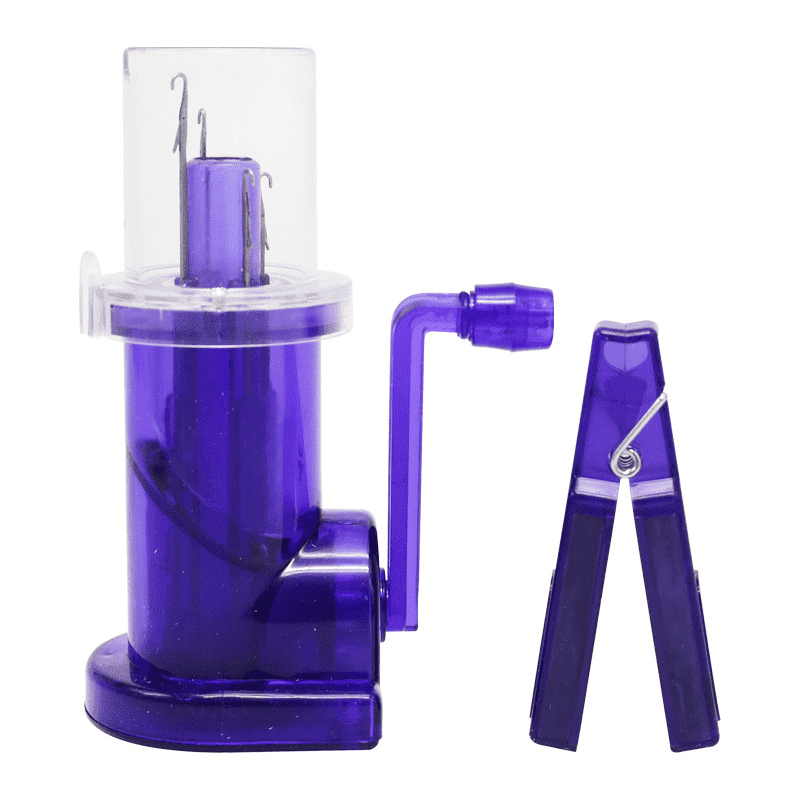
User experiences with AI knitting machines vary widely depending on the machine, the user’s skill level, and the type of project. The Sentro Knitting Machine, reviewed on YouTube by She Tried It!, receives mixed reviews. Users appreciate its ease of setup and relatively affordable price point, but many report issues with yarn tangling and inconsistent stitch quality. It appears to be a good entry point for beginners, but it requires patience and a willingness to troubleshoot.
A Facebook discussion about circular knitting machines reveals a strong sense of community and shared enthusiasm. Katherine Scott notes that she “LOVES” hers, finding it much faster than a loom, while still appreciating the value of traditional loom knitting. This highlights a key point: AI-powered machines aren’t necessarily meant to replace all other knitting methods, but rather to complement them.
Common frustrations reported by users include difficulty with complex patterns, limitations in yarn compatibility, and the need for frequent adjustments. Many users also emphasize the importance of proper maintenance and cleaning to keep the machine running smoothly. Online forums and communities are valuable resources for troubleshooting and sharing tips.
It’s important to remember that these machines are still relatively new, and the technology is constantly evolving. User experiences are likely to improve as manufacturers address the current limitations and release updated software and hardware.
AI Knitting Machine Roundup: 2026 Predictions
Predicting the exact models available in 2026 is challenging, but here's a curated look at AI-powered knitting machines we anticipate seeing, or significant updates to existing ones. These selections are based on current development trends and announced product roadmaps.
Silver Reed HDPi-2000: This industrial-grade flatbed machine is expected to receive a major AI upgrade by 2026, including enhanced pattern recognition and automated error correction. Target User: Professional knitters and small-scale manufacturers. Estimated Price: $12,000 - $20,000. Limitations: High price point, steep learning curve.
KnitMaster AI-1: A mid-range flatbed machine aimed at serious hobbyists. It will likely feature a user-friendly interface and a library of pre-programmed AI-generated patterns. Target User: Intermediate to advanced knitters. Estimated Price: $4,000 - $8,000. Limitations: Limited yarn compatibility compared to industrial models.
Sentro KnitPro: An upgraded version of the current Sentro Knitting Machine, with improved sensors and a more robust design. It will likely offer better stitch quality and increased reliability. Target User: Beginners and casual knitters. Estimated Price: $300 - $500. Limitations: Still limited in terms of pattern complexity and yarn options.
LoopCraft Aurora: A circular knitting machine with advanced AI features, including automated yarn feeding and tension control. It’s designed to be particularly well-suited for knitting socks and hats. Target User: Knitters specializing in circular projects. Estimated Price: $1,500 - $3,000. Limitations: Primarily focused on circular knitting; limited functionality for flatbed projects.
StitchWise Genesis: A fully automated knitting machine designed for small-batch production. It will feature a sophisticated AI system that can optimize knitting parameters for different yarn types and patterns. Target User: Independent designers and small businesses. Estimated Price: $8,000 - $15,000. Limitations: Requires significant technical expertise to operate and maintain.
Featured Products

48 needles for versatile knitting · Built-in row counter for precise tracking · Automatic circular weaving for hats, socks, scarves, and gloves
This machine offers an accessible entry point into automated knitting, perfect for beginners and hobbyists looking to create a variety of items quickly.

Electric iCord knitter for fast production · Hands-free operation · Ideal for creating flower handicrafts and personalized gifts
The Caydo Pro excels at creating intricate i-cords automatically, making it a specialized tool for crafters who want to add unique embellishments or create specific decorative items.
48 needles for versatile knitting · Built-in row counter for precise tracking · Automatic circular weaving for hats, socks, scarves, and gloves
This machine offers an accessible entry point into automated knitting, perfect for beginners and hobbyists looking to create a variety of items quickly.

Comprehensive guide for knitters · Expanded and updated content · Covers various knitting techniques and information
While not a machine, this book serves as an invaluable resource for understanding knitting principles, complementing the use of any knitting tool, smart or traditional.

Professional-grade knitting machine · Designed for efficient and precise knitting · Suitable for a range of projects
The addi-Express provides a robust and efficient solution for more serious knitters, offering professional results and speed for larger projects.
As an Amazon Associate I earn from qualifying purchases. Prices may vary.
Manuals and Resources: Leveling Up
Learning to operate an AI knitting machine requires a combination of traditional knitting knowledge and technical skills. Knititnow.com offers a valuable collection of machine knitting manuals and documents, providing a solid foundation in the fundamentals of machine knitting. These resources cover various machine types and techniques, and are a great starting point for beginners.
Online courses and tutorials are also readily available. Platforms like Udemy and Skillshare offer courses specifically focused on machine knitting, covering topics like machine setup, pattern design, and troubleshooting. YouTube is another excellent resource, with numerous channels dedicated to machine knitting. The learning curve can be steep, but with dedication and practice, it’s possible to become proficient.
While formal certifications are not yet widely available, some manufacturers offer training programs for their machines. These programs can provide hands-on experience and valuable insights into the machine’s specific features and capabilities. Joining online knitting communities and forums is also a great way to connect with other knitters, share tips, and get support.
The Future of Knitting: AI's Role
AI has the potential to revolutionize the knitting industry, enabling more customized and sustainable fashion. Imagine being able to design your own sweater online, specify your preferred yarn and fit, and have it knitted by an AI-powered machine in a matter of hours. This level of personalization could significantly reduce waste and cater to individual preferences.
However, the widespread adoption of AI-powered knitting machines also raises important ethical considerations. Job displacement is a concern, as automated machines could potentially replace human knitters in some manufacturing settings. It’s crucial to address this issue through retraining programs and the creation of new job opportunities.
Intellectual property is another key consideration. As AI algorithms become more capable of generating original designs, questions arise about who owns the copyright to those designs. Algorithmic bias is also a potential risk. If the AI is trained on a biased dataset, it could perpetuate harmful stereotypes or exclude certain design aesthetics.
Ultimately, the future of knitting will likely be a hybrid model, combining the creativity and skill of human knitters with the efficiency and automation of AI-powered machines. The key will be to harness the power of AI in a responsible and ethical manner, ensuring that it benefits both the industry and the individuals who work within it.
Do you think AI-powered knitting machines will make knitting more or less accessible to the average person?
As smart technology integrates with traditional fiber arts, we want to know your perspective on the future of accessibility in the knitting community.
Troubleshooting and Maintenance
Even with AI assistance, AI knitting machines can experience issues. Yarn jams are a common problem, often caused by incorrect tension or tangled yarn. Carefully inspect the yarn path and ensure that the yarn is feeding smoothly through the machine. Stitch errors, such as dropped stitches or uneven tension, can be caused by a variety of factors, including incorrect needle settings or faulty sensors.
Software glitches can also occur, especially with newer machines. Restarting the machine or updating the software may resolve these issues. Sensor malfunctions can be more difficult to diagnose and may require professional repair. Regular maintenance is essential for keeping your machine running smoothly. This includes cleaning the machine, lubricating moving parts, and inspecting the needles and sensors for wear and tear.
Most manufacturers offer support resources, such as online FAQs, troubleshooting guides, and customer service hotlines. Online knitting communities and forums can also be valuable sources of information and support. For more complex repairs, it’s best to contact a qualified technician who specializes in machine knitting.

No comments yet. Be the first to share your thoughts!