

The Rise of the Smart Knitting Machine: Beyond Simple Automation
For decades, knitting machines have existed, promising faster production than hand knitting. But many older models felt… limited. They required significant skill to operate, offered little flexibility in pattern design, and frankly, weren't always reliable. Now, we’re seeing a real shift. "Smart’ knitting machines aren’t just about speed; they"re about integrating technology to make the process more accessible, more creative, and less frustrating.
"Smart" in this context means a combination of features. Connectivity allows machines to link with apps for pattern management. Pattern integration enables the machine to execute complex designs automatically. AI assistance, discussed later, helps with error detection and yarn tension adjustments.
Knitters seek ways to increase production, handle larger projects, or explore new creative avenues. Smart machines also attract those intimidated by traditional hand knitting, lowering the entry barrier and allowing enjoyment of the craft without years of practice.
Historically, machines were bulky, expensive, and required a dedicated space. Many were also limited to specific types of stitches or yarn weights. Current models are challenging those assumptions. They're becoming more compact, more affordable, and more versatile. The goal is to bring the benefits of machine knitting to a wider audience.
Decoding the Specs: Needles, Bed Types, and Gauge Explained
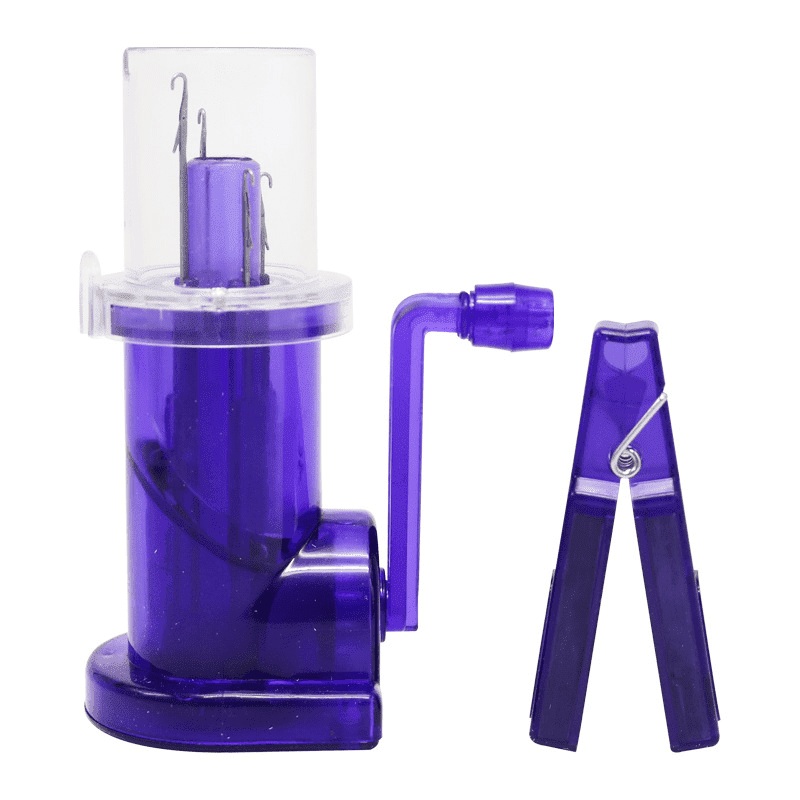
Understanding knitting machine specifications is essential for choosing the right model. Needle count is a primary factor. Machines come with 22, 32, 40, 48, or even more needles. More needles mean you can knit wider fabrics, but also that projects will take longer to set up and may be more prone to errors.
Generally, 22-needle machines are good for smaller items like socks or baby clothes. 32-needle machines offer more versatility for scarves and hats. 40 and 48-needle machines are best for sweaters, blankets, and larger projects. A 32 or 40-needle machine offers a good balance for beginners, providing enough width for various projects without excessive complexity.
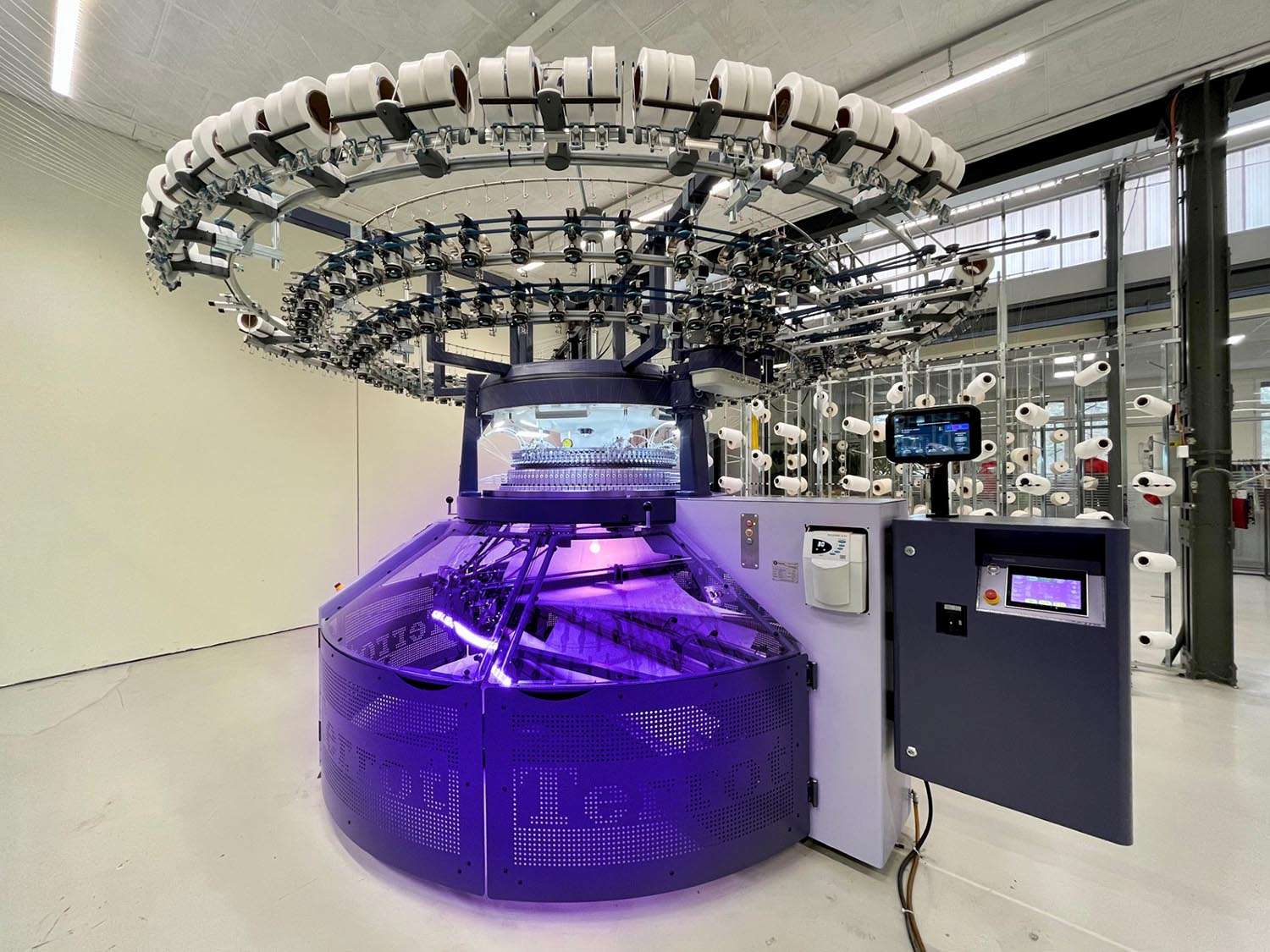
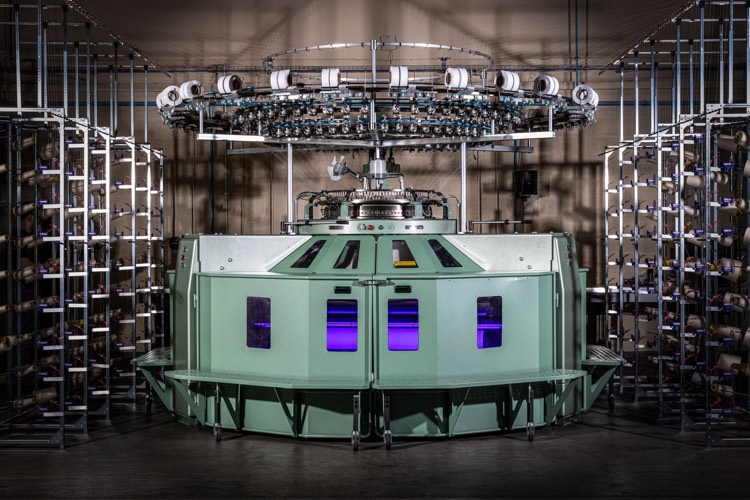
Beyond needle count, you need to consider the bed type: flatbed versus circular. Flatbed machines knit back and forth, creating a fabric similar to that produced by hand knitting. Circular machines knit in a continuous spiral, ideal for seamless tubes like socks or sweaters. Gauge, the number of stitches per inch, dictates yarn weight and fabric density.
Plastic beds are more affordable but less durable than metal beds. Metal beds offer better stitch quality and can withstand more wear and tear. The trade-off is cost. A machine with a metal bed will almost always be significantly more expensive. Consider usage frequency and yarn type when choosing.
Flatbed vs. Circular Smart Knitting Machines: A Comparison
| Project Type | Learning Curve | Yarn Versatility | Speed | Cost |
|---|---|---|---|---|
| Flatbed | Better for complex shapes and fully fashioned garments; allows for intricate stitch patterns and detailed designs. | Generally wider range of yarn weights and fiber types can be used, including delicate yarns. Requires more careful tension control. | Typically slower for large, simple panels, but excels at shaped pieces. | Can range from moderate to high, depending on features and automation level. |
| Circular | Better for tubular knitted items like socks, hats, and seamless sweaters. Simpler mechanics for basic knitting. | More limited in yarn weight and fiber choices. Best suited for smoother, consistent yarns. | Faster for producing large quantities of simple, repetitive patterns and stockinette stitch. | Often lower initial investment, but may have limitations in project complexity. |
| Project Type - Detail | Flatbed machines are favored by designers needing precise control over shaping and stitch definition. | Circular machines are efficient for mass-producing consistent, cylindrical items. | ||
| Learning Curve - Detail | Flatbed machines require more practice to master due to the manual carriage operation and stitch selection. | Circular machines have a relatively quick learning curve, focusing on setup and yarn feeding. | ||
| Yarn Versatility - Detail | Flatbed machines can handle a wider variety of textures and yarn weights, but require more adjustments. | Circular machines perform best with smoother yarns to prevent jams and ensure even fabric creation. | ||
| Speed - Detail | Flatbed speed depends on the knitter’s skill and pattern complexity. | Circular machines offer faster production for basic knit structures due to the continuous circular motion. |
Qualitative comparison based on the article research brief. Confirm current product details in the official docs before making implementation choices.
Sentro Knitting Machine: A Deep Dive into the Popular Choice
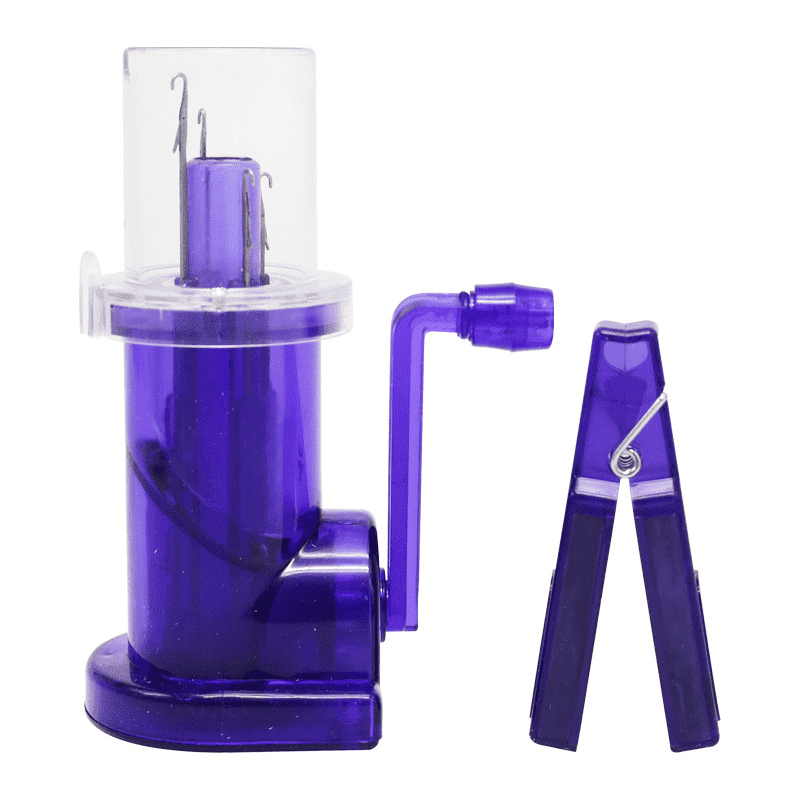
The Sentro Knitting Machine is popular due to its availability, affordability, and large online community. Available in 22, 32, 40, and 48 needle configurations, it appeals to newcomers with its accessibility.
The Sentro is easy to set up, with numerous YouTube tutorials available. However, dropped stitches are a common issue, particularly with bulky yarn or complex patterns, requiring careful adjustment and attention to detail.
The machine's pattern capabilities are limited. While basic stockinette stitch fabrics are possible, intricate designs require manual manipulation and are time-consuming. Knitters share tips for overcoming these limitations in dedicated Facebook groups.
Users praise the Sentro's speed, noting it's faster than loom knitting. However, expectations should be managed. The Sentro is a great entry-level machine for simpler projects and those willing to learn its quirks, but not a replacement for professional-grade equipment.
Beyond Sentro: Exploring Alternatives – Addi, Silver Reed, and More
While the Sentro is popular, other brands offer alternatives. Addi produces circular and flatbed knitting machines known for quality and precision, but at a higher price point than the Sentro.
Silver Reed machines are considered a gold standard in machine knitting, offering versatility and a wide range of stitch patterns. They have a steeper learning curve and significant investment, costing several thousand dollars.
Other brands like Brother, Studio, and Knitmaster offer a balance of features and price. Finding parts and support for older models can be challenging; online forums and Facebook groups are good resources for information and solutions.
Machine choice depends on budget, skill level, and project goals. The Sentro suits beginners, while Silver Reed is for experienced knitters seeking professional-grade equipment. Used machines from reputable brands can offer significant value.
Top Smart Knitting Machines for the Modern Crafter
48 needles for various projects · Automatic knitting for efficiency · Suitable for hats, scarves, and socks
This machine is a popular choice for beginners and experienced crafters alike, offering a good balance of features and ease of use for creating a variety of knitted items.
62 needles for larger projects · Crank handle operation for speed · Creates flat or circular knits
The Addi Express King Size is ideal for crafters looking to quickly produce larger knitted items like blankets and adult-sized garments.
200 needle machine · Electronic pattern selection · Compatible with various stitch types
For those seeking advanced capabilities and intricate pattern work, the Silver Reed SK280 offers professional-grade electronic features for complex designs.
22 needles for smaller projects · Simple crank operation · Ideal for children's hats and small accessories
This smaller Sentro machine is an excellent entry-level option for beginners or for creating smaller, quick projects like baby hats and coasters.
As an Amazon Associate I earn from qualifying purchases. Prices may vary.
AI and Pattern Integration: The Future of Machine Knitting
AI integration is a significant development in knitting machines. Emerging applications show potential for machines that automatically detect errors like dropped stitches or yarn breaks and alert the user.
Advanced systems adjust yarn tension in real-time based on yarn properties, ensuring consistent stitch quality and reducing mistakes. Some machines generate patterns automatically from user input like desired dimensions or stitch types, opening new creative possibilities.
Software and apps are crucial. Companies are developing platforms for designing and uploading patterns directly to machines, eliminating manual programming and simplifying complex designs. Machines that learn from knitting style, suggesting improvements based on individual technique, are also emerging.
Realism about current AI knitting technology is necessary. While progress is rapid, these systems are under development and cannot yet fully automate the knitting process, still requiring human oversight.ight and intervention. But the direction is clear: AI will continue to play an increasingly important role in machine knitting, making it more accessible, more creative, and more efficient.
Content is being updated. Check back soon.
Troubleshooting Common Issues: From Dropped Stitches to Yarn Breaks
Even with the latest technology, smart knitting machines aren’t immune to problems. Dropped stitches are arguably the most common issue, often caused by incorrect tension, poor yarn quality, or a malfunctioning needle. Regularly checking your needles for damage and adjusting the tension dial can help prevent this. Using a good quality yarn is also crucial.
Yarn breaks are another frequent frustration. This can be caused by knots in the yarn, rough handling, or a faulty yarn guide. Ensure your yarn is wound smoothly and evenly onto the cone or spool. Lubricating the yarn path with a small amount of silicone spray can also help reduce friction and prevent breaks.
Tension issues can manifest as uneven stitches or fabric distortion. Experiment with different tension settings until you achieve the desired result. Remember that different yarns require different tension settings. Preventative maintenance is key – regularly cleaning the machine and lubricating moving parts will keep it running smoothly.
Online knitting communities are invaluable resources for troubleshooting. Sharing your experiences and asking for advice from other knitters can often provide quick solutions. Many manufacturers also offer online support resources and tutorials. Don’t be afraid to reach out for help – there’s a wealth of knowledge available.
Is a Smart Knitting Machine Right for You? A Decision Guide
Investing in a smart knitting machine is a significant decision. It’s not right for everyone. Consider your budget carefully. Machines range in price from a few hundred dollars to several thousand. Also, think about the time commitment. Learning to operate a machine takes time and effort, even with the latest technology.
If you’re a beginner knitter, a simpler machine like the Sentro might be a good starting point. If you’re an experienced knitter looking for a professional-grade machine, Silver Reed or Addi are worth considering. If you primarily knit small, simple projects, a machine might not be necessary. Hand knitting might be more efficient and enjoyable.
The potential return on investment is also worth considering. If you plan to produce a large volume of knitted items, a machine can save you significant time and money. However, if you only knit occasionally, the cost of the machine might not be justified. Weigh the pros and cons carefully before making a decision.
Ultimately, the best way to determine if a smart knitting machine is right for you is to do your research and try one out if possible. Attend a knitting workshop or visit a local yarn store that offers machine knitting demonstrations. Talking to experienced machine knitters can provide valuable insights and help you make an informed decision.
Is a Smart Knitting Machine Right For You?
Smart knitting machines are revolutionizing the craft, but they aren't for everyone. This quick quiz will help you determine if investing in one of these AI-powered tools aligns with your knitting experience, project goals, and budget. Answer honestly to get a personalized assessment!

No comments yet. Be the first to share your thoughts!