
What knit fluent means for your craft
Being knit fluent is less about speed and more about literacy. It is the ability to look at a pattern and instantly understand what the stitches are asking you to do. When you can read the shorthand—knowing that k2tog means to knit two stitches together—you stop guessing and start executing. This confidence turns a confusing block of text into a clear set of instructions.
Think of it like learning a new language. At first, every abbreviation feels like a foreign word. But as you practice, the patterns start to flow. You begin to anticipate the structure of the fabric before you even cast on. This fluency allows you to choose tools that support your rhythm rather than fight against it.
The right tools make this literacy stick. Clear stitch markers help you track your place in complex repeats, while ergonomic needles reduce hand fatigue during long sessions. When your equipment works smoothly, you can focus entirely on the craft. This is the foundation for tackling any project, from simple scarves to intricate lace shawls.
Choosing yarns that handle colorwork
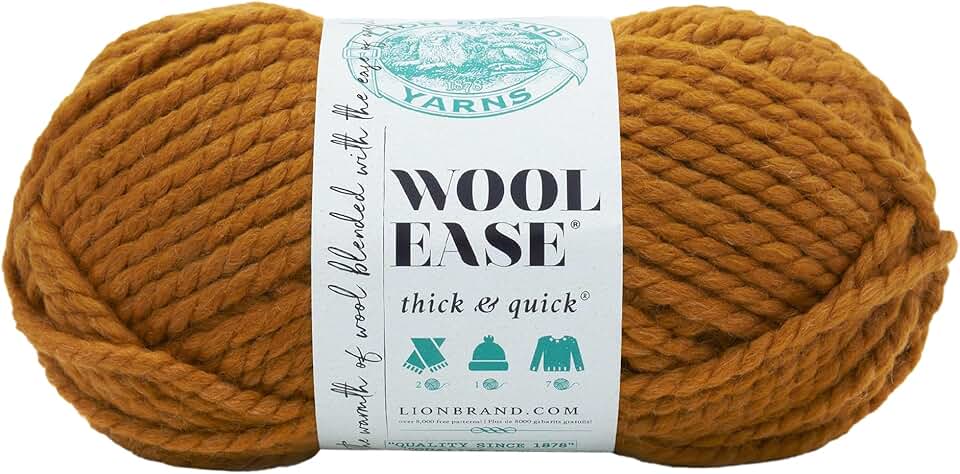
Intarsia knitting relies on clean, sharp color blocks. The transition between colors is where most projects fail, turning a crisp geometric pattern into a muddy, tangled mess. The difference between a frustrating struggle and a "knit fluent" moment often comes down to the fiber you choose. Smooth, plied yarns with high twist allow you to twist your strands at the color change, locking the colors in place and preventing holes.
Cotton and wool blends offer the best balance of structure and elasticity for complex colorwork. Cotton holds its shape well, ensuring your intarsia stripes stay straight, while the wool content provides just enough stretch to keep the fabric from becoming rigid. Look for yarns labeled as "worsted weight" or "medium weight" with a defined plied structure. These yarns are easier to see and manipulate, making them ideal for the precise tension control required in intarsia.
Avoid overly fuzzy, halo-heavy yarns like mohair or brushed alpaca for your first intarsia projects. The fuzz obscures the individual strands, making it nearly impossible to see where one color ends and the next begins. When you can't see the twist, you can't lock it. Stick to smooth, matte, or slightly lustrous fibers that reveal the mechanics of your stitches.


As an Amazon Associate, we may earn from qualifying purchases.
Loom knitting kits for fast results
Loom knitting offers a direct path to "knit fluent" status by removing the friction of managing two separate needles. Instead of coordinating needle tips, you wrap yarn around pegs and lift loops over, a motion that feels more like crafting than technical assembly. This mechanical simplicity lets beginners focus on tension and rhythm, building muscle memory without the steep learning curve of traditional knitting.
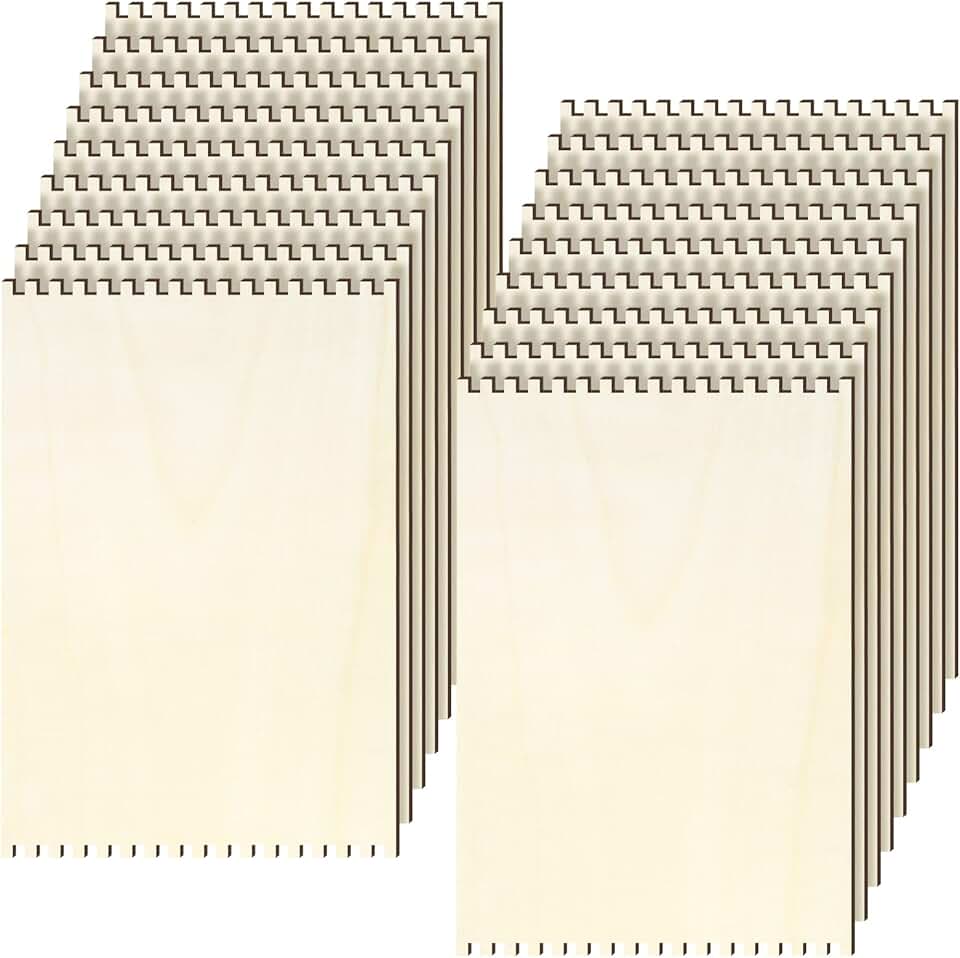
The right loom kit acts as a scaffold for this skill. Look for sets that include a variety of loom sizes—typically circular looms for hats and scarves, and rectangular looms for flat panels. The best kits also bundle the essential hook tool and starter yarn, allowing you to complete a full project in a single session. This immediate tangible result is what transforms a novice into a confident maker.
Start with a medium-sized circular loom (3-4 inches) for scarves and beanies. These sizes provide enough pegs to create a sturdy fabric without requiring the rapid hand movements of needle knitting. Rectangular looms are better for flat items like dishcloths or blankets.
The e-wrap stitch is the foundation of loom knitting. Wrap the yarn around each peg in a figure-eight pattern, then use the hook to lift the bottom loop over the top loop and off the peg. Consistency in wrap tension determines the drape and warmth of your final fabric.
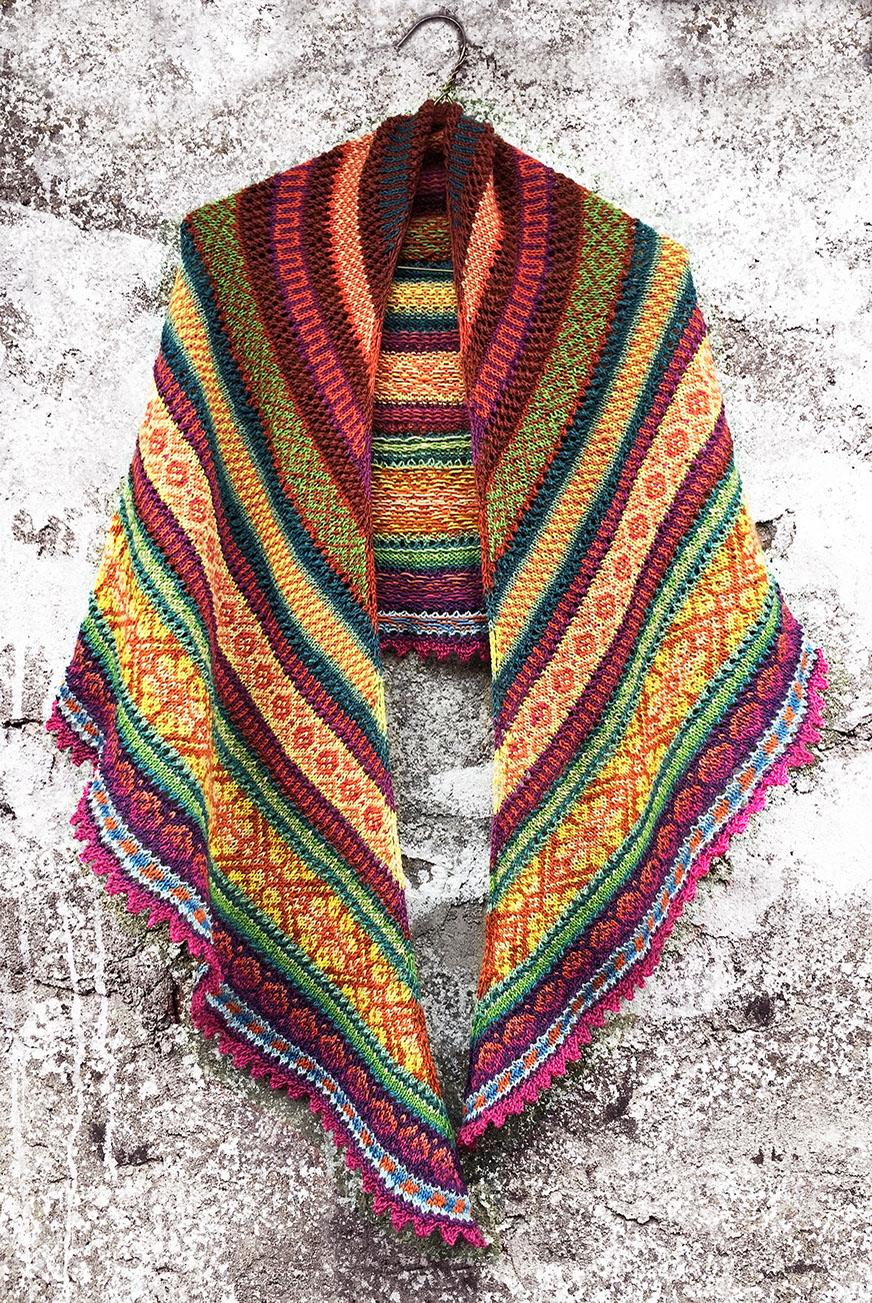
Learning to cast off properly prevents your work from unraveling. Most loom kits include a specialized cast-off comb or hook. Use it to lift loops over each other in sequence, creating a finished edge that matches the rest of your knitting.


As an Amazon Associate, we may earn from qualifying purchases.
Choose the right needles and accessories
Knitting fluency isn't just about speed; it's about reading the fabric and maintaining consistent tension. The right tools act as an extension of your hands, allowing you to focus on the pattern rather than fighting the stitches. Below, we compare the most common needle types to help you select the gear that matches your project needs.
| Needle Type | Best For | Material | Pro Tip |
|---|---|---|---|
| Circular | Large projects, hats, sleeves | Bamboo or Metal | Flexible cables prevent wrist strain |
| Double-Pointed (DPNs) | Small circumferences, socks | Metal or Wood | Use 4-5 needles for stability |
| Straight (US/UK) | Scarves, blankets, flat knitting | Bamboo or Aluminum | Check size charts carefully |
| Interchangeable | Versatility, travel | Mixed | Invest in high-quality cables |
Beyond needles, a few key accessories streamline the knitting process. A set of stitch markers helps you keep track of pattern repeats, especially when reading complex stitch charts. Row counters are essential for large projects where losing your place can mean hours of unraveling. For tension maintenance, consider using a tension gauge to check your gauge swatches before starting any garment.
When selecting tools, prioritize comfort and durability. Bamboo needles offer grip for slippery yarns, while metal needles provide speed for smooth cottons. Interchangeable sets provide the most flexibility, allowing you to switch cable lengths as your project grows. Remember, the best tools are those that feel natural in your hands and support your specific knitting style.
How to start your knit fluent journey
Becoming knit fluent means moving beyond following instructions to understanding the fabric you create. It starts with gathering the right tools and choosing a project that builds confidence. You don't need a full studio; you need a focused kit.
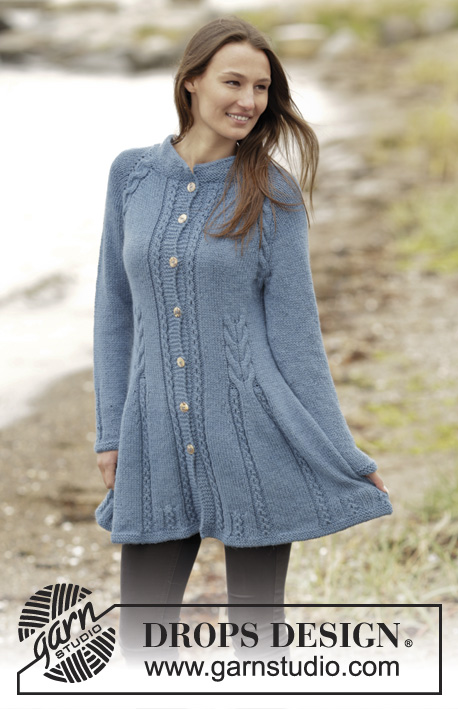
Start with a light or worsted weight yarn in a solid, light color. This makes it easy to see your stitches and spot mistakes. Avoid dark colors, fuzzy mohair, or complex variegated blends until you have the basics down. A smooth acrylic or wool blend is forgiving and affordable.
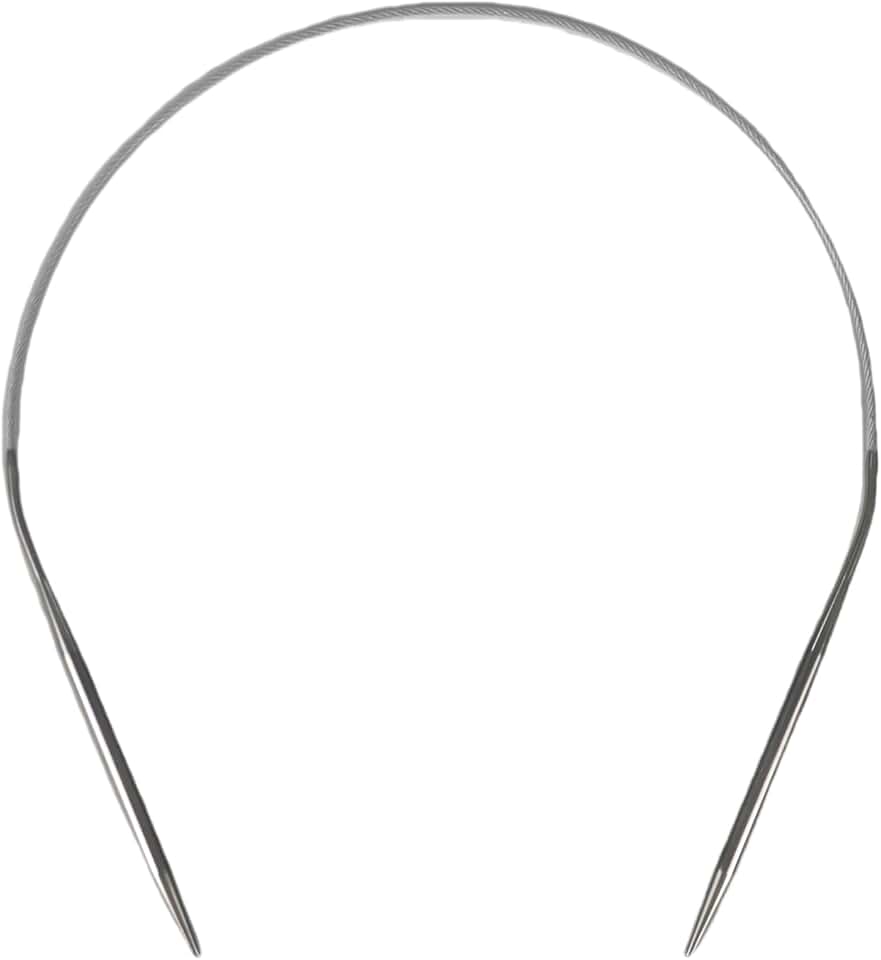
Match your needles to the yarn label. For worsted weight yarn, US size 8 (5mm) or 9 (5.5mm) circular needles are ideal. Circular needles are better than straight ones for beginners because the weight of the project rests in your lap, not on your wrists, reducing strain.
You only need a few extras to start. Get a pair of sharp scissors for cutting yarn, a tapestry needle for weaving in ends, and a simple stitch marker. A measuring tape helps you check your gauge, ensuring your finished piece matches the pattern dimensions.
Choose a simple scarf or a dishcloth. These projects use only the knit and purl stitches, allowing you to practice rhythm and tension without worrying about complex shaping or increases. A scarf is the most common first project because it is long, useful, and visually rewarding.


As an Amazon Associate, we may earn from qualifying purchases.
Once you have these items, you are ready to cast on. The goal of your first project is not perfection, but familiarity. As you knit, you will begin to recognize the "language" of the stitches, which is the first step toward becoming knit fluent.
Common knitting questions answered
Knitting fluency isn't just about speed; it's about understanding the mechanics of your stitches and your body. Whether you are troubleshooting a pattern or managing physical strain, here are the most frequent questions knitters face.
Does knitting help with ADHD focus?
Many people with ADHD find knitting helps their brain settle, focus, or reset. The rhythmic, repetitive motion provides a tactile anchor that can quiet mental noise, making it a popular activity for those seeking a meditative break from screens and digital overload.
Can knitting cause nerve pain?
Spending hours knitting or crafting can lead to repetitive strain injuries (RSI). Carpal tunnel syndrome is common when there is pressure on the median nerve in your wrist, leading to pain, tingling, and numbness. Using ergonomic needles and taking regular breaks is essential to prevent long-term strain.
Can knit through back loop (ktbl) be used in all patterns?
Using ktbl instead of a regular knit stitch depends on the specific pattern and the desired outcome. It twists the stitch, which can affect the fabric's stretchiness and appearance. Always check if the pattern specifies twisted stitches, as using ktbl indiscriminately can alter the gauge and drape of your finished piece.
How did Michelle Obama learn to knit?
Michelle Obama learned to knit during the pandemic after being "a sock purchaser rather than a sock mender" her whole life. She ordered yarn and two needles and decided to give it a shot, proving that you don't need a lifelong background in crafts to start knitting fluently.
No comments yet. Be the first to share your thoughts!