

A Loom Knitting Comeback?
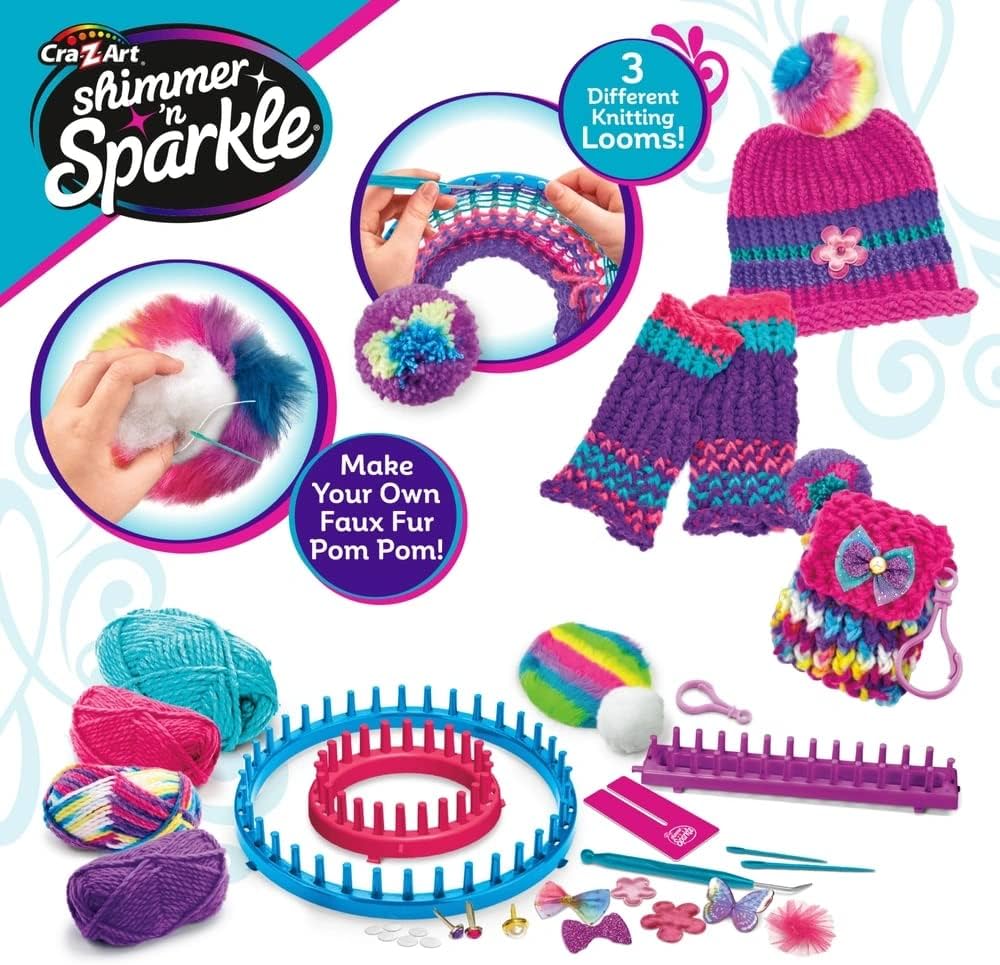
Loom knitting, a technique often associated with grandmothers, is surprisingly popular again, especially with Gen Z. Colorful, chunky projects are appearing on social media, and friends are picking up the hobby. Loom knitting uses a frame with pegs to create fabric, different from traditional needle knitting or crochet.
Traditional knitters and crocheters once saw loom knitting as a simpler, lesser craft, lacking needlework finesse. This perception is changing, with many now curious or accepting of the technique.
Knit Fluent celebrates all fiber arts, offering resources for knitters, crocheters, and loom knitters alike, from beginner guides to advanced patterns.
TikTok's Role: The #LoomKnitting Effect
TikTok drives this revival, with the #loomknitting hashtag exceeding 88.8 million views by late 2024. Viral tutorials showcase loom knitting's speed and simplicity, appealing to the platform's preference for quick, satisfying content.
While pinpointing specific creators is difficult given the constantly shifting landscape of TikTok, accounts like @loomahat (with over 2 million views on their step-by-step hat tutorial) and many others dedicated to beginner-friendly projects are gaining significant traction. These creators often showcase projects like beanies, scarves, blankets, and even simple sweaters, all achievable with minimal skill and a relatively small investment.
Loom knitting projects finish quickly, providing immediate accomplishment. The visual process of yarn becoming fabric is satisfying and translates well to short-form video, making it accessible and inspiring.
Chemo has gifted me peripheral neuropathy making knitting and loom knitting hard. So I’m going to use my hoard of wool making things with my new knitting machine. This test piece took just 40 min. @ThanksCancer pic.twitter.com/hIGoVxvylG
— TraceyMatthies_celebrant_journo (@TraceyGMatthies) August 29, 2024
Beyond Speed: Accessibility and Affordability
Loom knitting appeals to Gen Z's value of accessibility and affordability. Traditional knitting can be daunting for beginners, requiring patience to master techniques and a significant initial investment in supplies and classes.
Loom knitting is easy to learn, with an intuitive process and inexpensive tools. A basic round loom costs under $20, and various loom types suit different projects, offering a low barrier to entry for creative exploration.
Loom knitting offers 'instant gratification' as projects finish faster than traditional knitting, providing a quick sense of accomplishment. This appeals to a desire for immediate results.
The Sustainability Factor
Loom knitting's resurgence aligns with Gen Z's interest in sustainable consumption. Using scrap yarn, repurposing materials, and creating handmade items are major draws, with many loom knitters reducing textile waste by making accessories and décor from leftover yarn.
Handmade items are gaining popularity as an alternative to fast fashion. Loom knitting allows for unique, personalized creations that reflect individual style and values, encouraging mindful consumption.
Knit Fluent promotes sustainable knitting practices with resources on eco-friendly yarns, upcycling, and mindful crafting, believing fiber arts can reduce environmental impact.
- Use scrap yarn for small projects.
- Repurpose old sweaters into loom-knitted blankets.
- Choose natural and sustainable yarn fibers.
Sustainable Benefits of Loom Knitting
- Yarn Scrap Busting - Loom knitting excels at utilizing small amounts of leftover yarn from other projects, minimizing waste and reducing the need to purchase new materials. This is particularly appealing given the rising cost of yarn.
- Durable, Long-Lasting Items - Items created on a loom, especially with thicker yarns, tend to be dense and durable. This contrasts with some mass-produced fast fashion items and promotes a 'make to last' mentality.
- Reduced Reliance on Fast Fashion - By making their own clothing and accessories, loom knitters actively participate in slowing down the fast fashion cycle and decreasing demand for cheaply made, disposable garments.
- Accessibility & Affordability - Loom knitting requires relatively inexpensive tools – a loom and a hook – making it a financially accessible craft compared to some other knitting methods or purchasing new clothing. Circular knitting looms from companies like Boye are readily available.
- Potential for Upcycling - Old sweaters or fabric can be cut and re-used as yarn for loom knitting, giving discarded materials a new life and diverting them from landfills.
- Slow Crafting & Mindfulness - The repetitive nature of loom knitting encourages a slower, more mindful approach to crafting, promoting well-being and a connection to the making process – a counterpoint to the speed of consumer culture.
- Local Yarn Support - Loom knitters often source their yarn from local yarn stores (LYS) or independent dyers, supporting small businesses and reducing the carbon footprint associated with long-distance shipping.
Loom Knitting vs. Crochet: A Generational Shift?
Comparing loom knitting to crochet, both are accessible fiber arts with minimal tools. Crochet allows for intricate designs and 3D shapes, while loom knitting produces a denser, uniform fabric.
Loom knitting can serve as a gateway to other fiber arts, sparking interest in traditional knitting or crochet, while others see it as a distinct craft. A playful rivalry exists within the crafting community regarding the merits of each technique.
Crochet's established perception may contribute to loom knitting's appeal for a younger generation seeking something fresh, despite the technique's long history.
Looms Evolve: Modern Innovations
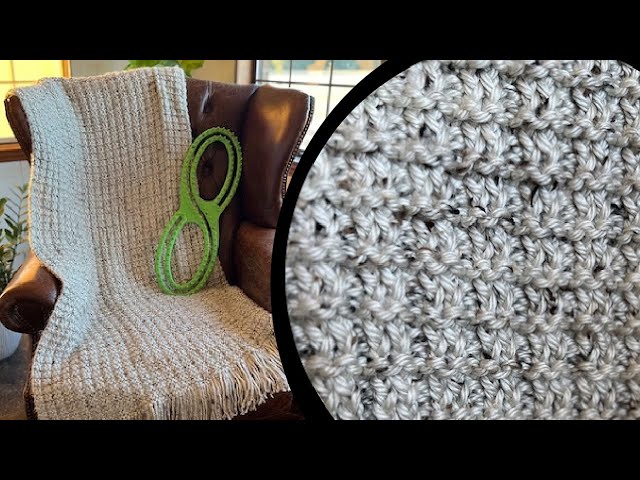
Loom knitting tools have evolved beyond traditional round looms. Today, various loom types exist for different projects and skill levels, with long looms for scarves and blankets, and short looms for hats and accessories.
Adjustable looms offer versatility by allowing changes in gauge and size, reducing the need to buy multiple looms. Manufacturers are also experimenting with new materials like lightweight plastics and bamboo for better ergonomics and performance.
While 'smart looms' with automated features don't exist yet, there's interest in integrating technology, such as app connectivity for instructions and pattern guidance, showing potential for innovation.
Where to Learn: Resources and Communities
Resources for learning loom knitting include YouTube tutorials from channels like LoomaHat.com and websites like LoomKnit.com for free patterns and tips.
Online communities like Facebook groups and Reddit threads offer support for loom knitters to connect, ask questions, and share creations.
Knit Fluent offers loom knitting guides and patterns. Local yarn stores or community centers may offer workshops.
Content is being updated. Check back soon.
Looking Ahead: Loom Knitting's Staying Power
Loom knitting shows staying power due to its accessibility, affordability, and sustainability, resonating with Gen Z values. The growth of #loomknitting on social media indicates it's more than a fleeting fad.
Innovation in loom design and materials could fuel popularity, leading to new projects and applications, potentially integrating loom-knitted items into mainstream fashion or décor.
undefined ancient technique has found a new audience and a renewed sense of purpose. It's a testament to the enduring appeal of handmade crafts and the power of social media to connect people with their creativity.

No comments yet. Be the first to share your thoughts!