

Loom knitting's surprising comeback
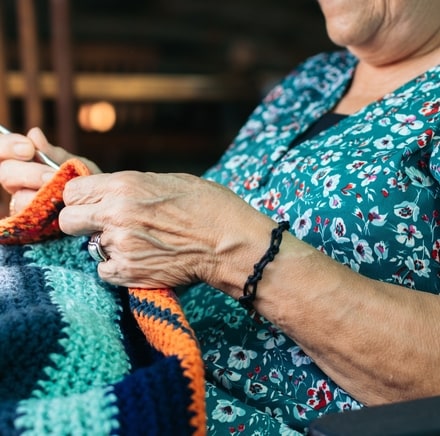
Okay, this is a little unexpected. I’ve been following knitting trends for a while, and I’m genuinely surprised by what I’m seeing: loom knitting is…back? And it’s not just back, it’s popular with Gen Z. For years, loom knitting carried a certain stigma, often associated with older generations and simpler projects. It was the craft your grandmother did, not something you’d see on a fashion influencer’s feed.
But that’s changing. Initial observations on platforms like TikTok and Instagram reveal a growing community of young people embracing this technique. What began as a trickle of videos showcasing quick, easy projects has quickly turned into a flood of creativity. It's a shift from a 'grandma craft' to something undeniably trendy. The aesthetic is…different. It's bolder, chunkier, and often more colorful than traditional knitting.
I've noticed a real enthusiasm. It’s not a quiet revival; it's an enthusiastic embrace. There's a distinct energy around it, a sense of discovery and experimentation. I'm still trying to wrap my head around the speed of this change. It’s fascinating to watch a craft that was once considered outdated suddenly become a hot topic.
TikTok fuels the loom knitting explosion
TikTok is undeniably the driving force behind this resurgence. The #loomknitting hashtag currently has over 170 million views as of late 2026, and the numbers are climbing. It's not just the sheer volume of content, but the type of content that's resonating with viewers.
Popular creators like @LoomQueen (with 2.3 million followers) and @ChunkyKnits (1.8 million followers) are showcasing everything from beginner-friendly beanies to surprisingly intricate sweaters. Viral videos often focus on the speed of loom knitting – a simple hat can be completed in under an hour, which is incredibly appealing in a fast-paced world. Challenges like the "Loom Knit a Day" trend have further fueled the explosion.
The platform’s short-form video format is perfectly suited for loom knitting. It allows creators to demonstrate techniques quickly and visually, making it easy for viewers to learn. The satisfying visuals of the loops forming and the chunky texture of the finished product are incredibly engaging. The TikTok algorithm is also a huge factor, connecting people with shared interests and exposing them to new ideas.
It's more than just exposure, though. TikTok’s emphasis on visual appeal and its ability to create micro-communities have transformed loom knitting from a practical skill into a desirable aesthetic. It’s become a way to express creativity and individuality.
- @LoomQueen: Focuses on beginner-friendly projects and tutorials.
- @ChunkyKnits: Showcases more advanced loom knitting techniques and designs.
- #LoomKnitting: The primary hashtag for the community, with over 170 million views.
TikTok Loom Knitting Influencers
- Loom Knit Princess - Focuses on beginner-friendly tutorials, often using round looms to create hats, scarves, and simple blankets. Her content emphasizes accessibility for those new to fiber arts.
- Knitting with Jess - Creates a variety of projects, from home décor items like rugs to wearable garments, demonstrating the versatility of loom knitting with different loom types.
- Loopily Lovely - Specializes in chunky knit projects using large looms, showcasing quick and satisfying makes like oversized blankets and cardigans.
- The Cozy Loom - Shares detailed tutorials for more complex patterns, including cables and textured stitches, pushing the boundaries of what’s possible with loom knitting.
- Crafty Cassie - Often incorporates upcycled and thrifted yarns into her loom knitting projects, promoting sustainable crafting and unique designs.
- LoomKnittingDaily - Provides daily inspiration and quick project ideas, catering to those who enjoy fast and achievable crafts. Features a wide range of loom sizes and techniques.
- Simply Loomed - Focuses on creating cozy home goods like washcloths, dishcloths, and small baskets, demonstrating practical applications for loom knitting.
Why Gen Z chooses looms: speed, accessibility, and aesthetics
So, why is loom knitting appealing to Gen Z? I think it comes down to a few key factors. Speed is a big one. This generation grew up with instant gratification, and loom knitting delivers. Projects can be completed much faster than with traditional knitting, which is a major draw.
Accessibility is another important aspect. Loom knitting is often easier to learn than traditional knitting, requiring less dexterity and coordination. It’s a great option for beginners who want to quickly create something tangible. The initial investment is also relatively low; looms are inexpensive, and chunky yarn doesn't require a huge amount of material.
Aesthetics play a crucial role, too. The chunky, textured items created with loom knitting align perfectly with current fashion trends, particularly the "cottagecore’ and ‘grandmacore’ aesthetics. These styles emphasize comfort, nostalgia, and handmade items, and loom knitting fits right in. It"s about creating something unique and expressive.
Loom knitting vs. needle knitting
Let's be honest: loom knitting and traditional needle knitting are different beasts. They both produce knitted fabric, but the process and the results vary significantly. In terms of speed, loom knitting generally wins, especially for simpler projects. You can crank out a basic hat in an afternoon, whereas a similar project with needles might take several days.
The learning curve is also gentler with loom knitting. It requires less complex hand movements and coordination, making it more accessible to beginners. However, needle knitting offers far more versatility when it comes to complex patterns and shaping. Intricate lace designs or fitted garments are much easier to achieve with needles.
Portability is a bit of a mixed bag. Looms can be bulky, especially larger ones, making them less convenient to carry around than a set of needles. Yarn usage is often higher with loom knitting due to the larger gauge of the stitches. The final look and feel of the fabric also differ. Loom-knitted items tend to be thicker and stiffer than those made with needles, although this can be mitigated with yarn choice and finishing techniques.
I don’t think it’s about declaring one "better" than the other. Both methods have their strengths and weaknesses. Loom knitting is fantastic for quick, easy projects and for beginners. Needle knitting is ideal for more complex designs and for creating softer, more drapey fabrics.
Loom Knitting vs. Needle Knitting: A Comparison
| Criteria | Loom Knitting | Needle Knitting |
|---|---|---|
| Speed | High | Medium |
| Cost | Medium | Medium |
| Learning Curve | Low | High |
| Project Versatility | Medium | High |
| Portability | High | Medium |
| Fabric Drape | Medium | High |
| Aesthetic | Medium | High |
Illustrative comparison based on the article research brief. Verify current pricing, limits, and product details in the official docs before relying on it.
Beyond beanies: modern loom knitting projects
The days of loom knitting being limited to beanies and scarves are long gone. Designers are pushing the boundaries of what’s possible with looms, creating increasingly complex and sophisticated projects. We’re seeing loom-knitted sweaters, cardigans, blankets, and even home décor items like cushions and wall hangings.
Designers like Bethany Deckenes of LoomaHat.com (referenced in numerous tutorials) have been instrumental in demonstrating the versatility of loom knitting. Her work showcases intricate cable patterns and innovative techniques. Other designers are experimenting with different yarn weights and textures to create unique and eye-catching pieces.
I’ve seen some incredible loom-knitted cardigans with complex stitch patterns and flattering silhouettes. There’s a growing movement towards creating high-quality, fashionable garments with looms, proving that this isn’t just a beginner’s craft anymore. It's a medium for artistic expression.
Featured Products

Multiple round loom sizes included · Suitable for a wide range of projects · Includes crochet hooks and knitting needles
This set provides a versatile and complete introduction to loom knitting for various projects.

Includes both round and rectangular looms · Pompom maker included · Ideal for beginners
This kit offers a great starting point for beginners with its dual loom shapes and pompom maker.

32-peg wood loom · Includes a reference guide · Durable construction
This kit is a solid choice for those looking for a quality wood loom and helpful guidance.

Jumbo spool design for quick results · Ideal for chunky yarn projects · Easy to use
This affordable spool kit is perfect for quickly creating chunky knit items.

Round looms for circular projects · Includes hook, needle, and pompom maker · Compact and easy to store
This set offers a convenient and complete package for creating hats and other round knitted items.
As an Amazon Associate I earn from qualifying purchases. Prices may vary.
The sustainability angle in loom knitting
The growing interest in sustainable crafting is another factor driving the loom knitting revival. The chunky yarn often used with looms is particularly well-suited for upcycling old sweaters and fabric scraps. It’s a great way to give new life to unwanted materials and reduce textile waste.
Many loom knitters are also choosing eco-friendly yarn options, such as organic cotton, recycled fibers, and plant-based yarns. This aligns with the values of many Gen Z consumers, who are increasingly conscious of the environmental impact of their purchases.
Designers are also prioritizing sustainability in their loom knitting projects, creating patterns that minimize waste and encourage the use of repurposed materials. I think this aspect is often overlooked, but it’s a significant one. Loom knitting can be a surprisingly sustainable craft.
Learning loom knitting: resources and communities
Ready to give loom knitting a try? There are tons of resources available to help you get started. YouTube is a great place to find tutorials, with channels like LoomaHat.com offering step-by-step instructions for beginners. They have a wealth of information, from basic techniques to more advanced projects.
Several online platforms offer loom knitting courses, providing structured learning and personalized feedback. Local knitting groups and yarn stores may also offer classes or workshops. Don’t underestimate the power of community!
Active online communities, such as Reddit’s r/loomknitting and various Facebook groups, are excellent places to share your projects, ask questions, and connect with other loom knitters. These communities provide support, inspiration, and a sense of belonging.
- LoomaHat.com: Excellent YouTube tutorials and resources.
- r/loomknitting (Reddit): Active online community for sharing and support.
- Facebook Groups: Search for "loom knitting" to find a variety of groups.

No comments yet. Be the first to share your thoughts!