
Sweaters, Stitches, and Stillness
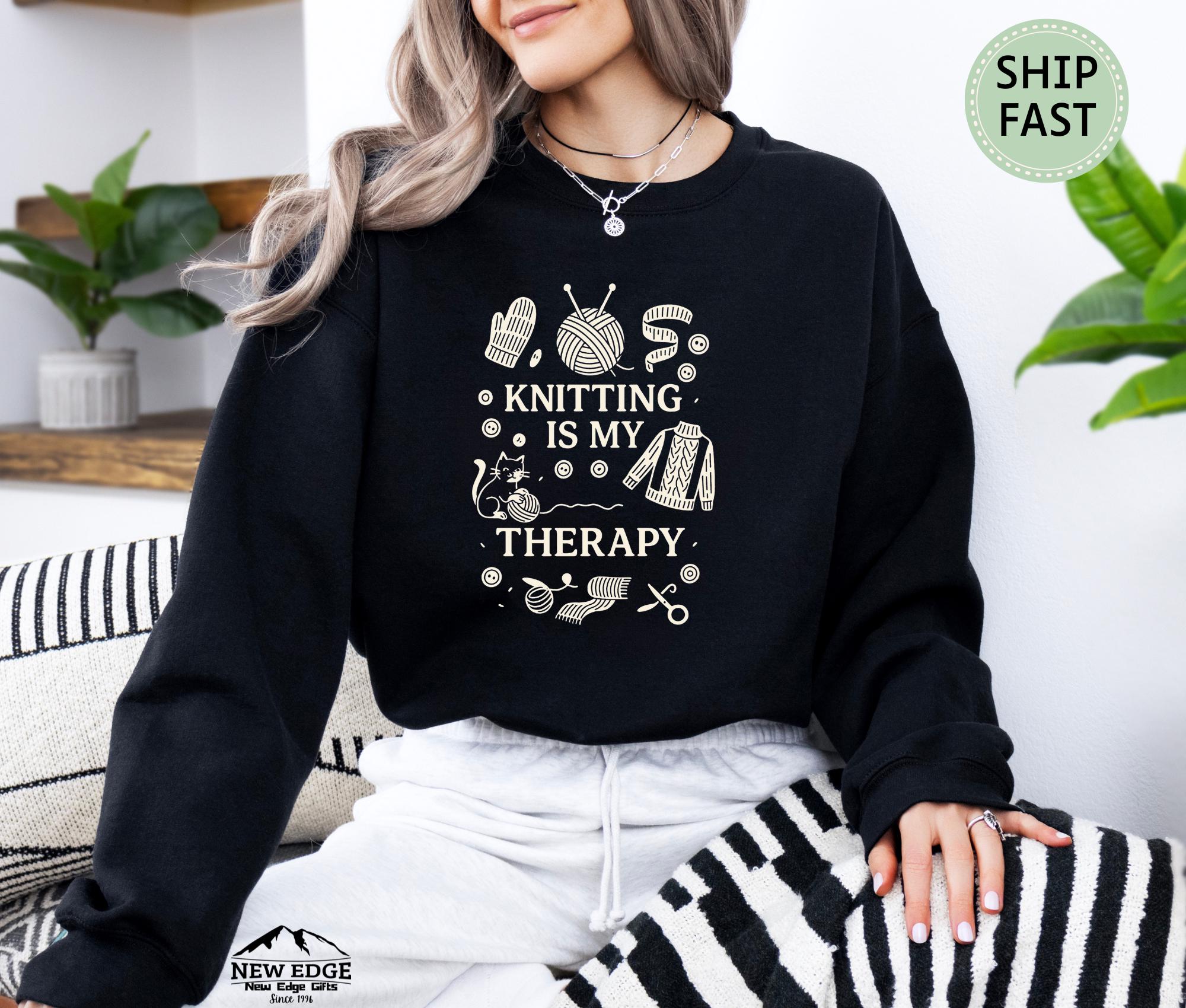
Knitting is experiencing a resurgence as a powerful tool for mental wellbeing, especially for larger projects like sweaters. These undertakings demand sustained focus and offer a tangible sense of accomplishment. The rhythmic, repetitive motions inherent in knitting can be profoundly calming, offering a welcome respite from daily stresses.
Awareness of the benefits of tactile crafts is growing, and knitting resonates with people seeking mindful activities. Creating something with your hands, transforming yarn into art, provides a sense of agency and purpose. For many, it's active self-care. Research increasingly focuses on the connection between crafting and mental health.
Knitting a sweater requires time, which allows you to settle into the process, letting go of racing thoughts and anxieties. It encourages slowing down and focusing on the present moment, the first step toward a mindful state. This practice can be incorporated into a daily routine for consistent calm.
The Neuroscience of Knitting
Neurological evidence supports knitting as therapeutic. Studies show repetitive activities like knitting can reduce cortisol, the stress hormone. A 2009 study by Herbert Benson at Harvard Medical School demonstrated that knitting's repetitive hand motions elicited a relaxation response, counteracting the body’s fight-or-flight mechanism.
The Default Mode Network (DMN) is active when our minds wander. Excessive DMN activity is linked to anxiety, rumination, and depression. Knitting offers a way to regulate the DMN, providing enough stimulation to keep the mind occupied without being overwhelming, allowing the brain to enter a state of relaxed focus.
Knitting is not a cure-all for mental health conditions, but it can be a valuable complementary therapy, particularly for anxiety or mild to moderate depression. The focused attention can provide a temporary escape from negative thought patterns, and completing a project can boost self-esteem. It's an accessible activity with benefits.
Researchers at the University of British Columbia found knitting could help manage chronic pain symptoms, linking it to endorphin release during rhythmic movements. The benefits extend beyond mental wellbeing, impacting physical health. Creating something with your hands can affect your overall state of being.
Sweater Projects: A Spectrum of Complexity
Choosing the right sweater project is important for therapeutic benefits. A project that’s too challenging can lead to frustration, defeating the purpose. A project that’s too simple might not provide enough mental stimulation. Find a level of complexity that feels engaging but not overwhelming.
For beginners seeking a grounding and meditative experience, a simple garter stitch sweater is a good choice. The repetitive knit stitch is soothing, and the straightforward pattern requires minimal concentration. As you gain confidence, move on to projects with more intricate stitch patterns, like ribbing or seed stitch. Knit Fluent offers beginner-friendly sweater patterns with clear instructions.
Experienced knitters might enjoy cable knit sweaters or those incorporating colorwork. These projects demand focus and attention to detail, promoting a flow state of deep immersion and enjoyment. Completing a complex sweater offers a boost to self-esteem. Wearing something you’ve created is special.
Consider yarn weight. Bulky yarn and large needles result in a quicker project, providing a faster sense of accomplishment. Finer yarn and smaller needles require more time and patience, offering a more sustained meditative experience. The choice depends on individual preferences and needs.
Sweater Patterns for Wellbeing
- Beginner: Garter Stitch Cardigan - Simple, repetitive stitches like garter stitch are incredibly grounding. The focus required can reduce rumination and provide a sense of accomplishment with each row completed. This is a great starting point for building confidence.
- Beginner: Basic Stockinette Sweater - Learning stockinette stitch introduces a slightly more complex texture, encouraging focused attention. The consistent knit and purl pattern can be meditative, promoting relaxation. Knit Fluent offers a Baby Hospital Hat pattern that builds foundational skills.
- Intermediate: Raglan Sleeve Sweater - Raglan construction requires more planning and shaping, stimulating cognitive function and problem-solving skills. Successfully completing this type of sweater fosters a sense of mastery and boosts self-esteem.
- Intermediate: Colorwork Yoke Sweater - Incorporating simple colorwork (like stripes or basic motifs) adds a creative outlet and encourages mindful color choices. This can be particularly beneficial for those seeking a distraction from negative thoughts. Look for patterns using the stranded knitting technique.
- Intermediate: Textured Stitch Sweater (e.g., Seed Stitch, Basketweave) - Working with textured stitches demands focused concentration on stitch definition. This heightened awareness can promote a state of ‘flow’ and reduce anxiety.
- Advanced: Intarsia Sweater - Intarsia knitting, with its blocks of color, requires significant concentration and precision. This complex technique can be deeply absorbing, offering a powerful form of mindful distraction and a strong sense of achievement. Knit Fluent has a guide to Intarsia Knitting.
- Advanced: Fair Isle Sweater - Fair Isle knitting, similar to intarsia but utilizing a different technique, presents a complex colorwork challenge. The intricacy promotes focus and can be a rewarding creative outlet, fostering a sense of calm and accomplishment.
- Advanced: Cable Knit Sweater - Complex cable patterns necessitate careful attention to detail and stitch manipulation. This level of engagement can be highly therapeutic, providing a challenging yet calming activity that promotes mental clarity.
Mindful Casting On: Anchoring Your Practice
Therapeutic benefits of knitting start with casting on. Often rushed, casting on can be a mindful practice, setting the tone for the project. It's an opportunity to ground yourself in the present moment and cultivate calm before you begin to knit.
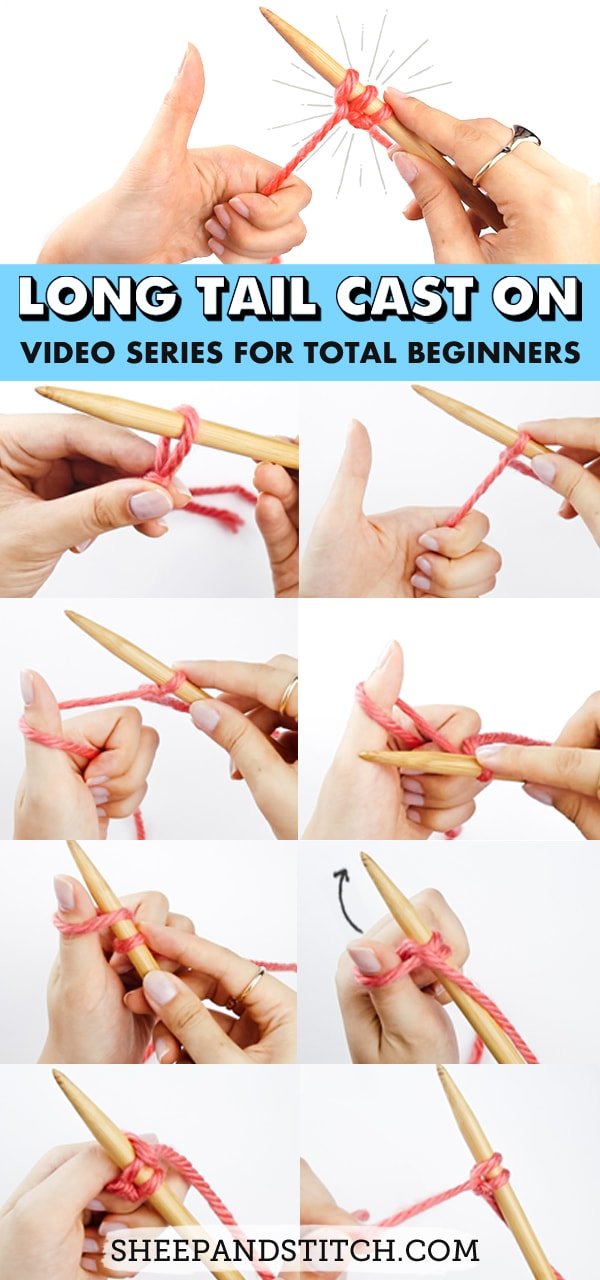
Consider the long-tail cast on. Instead of focusing on getting it "right,’ pay attention to the sensation of the yarn slipping through your fingers. Notice the weight, texture, and color. Feel the tension in your hands as you create each loop. Breathe deeply. With each stitch, whisper a word or phrase of intention – ‘calm,’ ‘peace,’ ‘focus."
If you prefer the knitted cast on, notice how the needle interacts with the yarn. Observe the formation of each stitch, appreciating its simple elegance. Feel the rhythm of your movements – the push and pull, the twist and turn. Synchronize your breath with your actions. Slow down; there's no need to rush.
The cable cast on offers mindful engagement. The twisting of the yarn requires focused attention, drawing your mind away from distractions. Notice how the cable forms and stitches interlock. Feel the solidity of the cast-on edge. This method, while more involved, can be grounding. Approach each step with intention and awareness.
Yarn Choice and Sensory Experience
Yarn choice can enhance therapeutic benefits. It's about sensory experience. Different fibers offer textures, weights, and visual qualities that can impact your mood and wellbeing.
Wool, with its natural crimp and warmth, is a classic choice. It's tactile and offers a comforting weight. Cotton is softer and more breathable, ideal for warmer weather. Silk is luxurious and smooth, providing a sensual knitting experience. Acrylic is affordable and readily available, but may not offer the same tactile satisfaction as natural fibers.
Pay attention to how yarn feels against your skin. Avoid scratchy or irritating yarns, as these create discomfort and disrupt focus. Opt for yarns that are soft, smooth, and pleasant to the touch. Color is important. Choose colors that evoke positive emotions – calming blues and greens, cheerful yellows and oranges, or grounding earth tones.
Hand-dyed yarns add connection to the creative process. Unique variations in color and texture reflect the dyer's artistry, creating a one-
Customizing Patterns for Self-Expression
Don’t be afraid to deviate from the pattern. While patterns provide a valuable framework, they shouldn’t be treated as rigid rules. Customizing a pattern allows you to express your individuality and create a truly unique garment. As the video from Crazy for Ewe points out in February 2026, the pattern is a guide, not the law.
Changing colors is a simple way to personalize a pattern. Experiment with different color combinations to create a look that reflects your personal style. You can also modify stitch patterns, adding or subtracting elements to create a more complex or simplified design. Changing the length or width of the sweater is another way to tailor the pattern to your body.
Don’t worry about making mistakes. In fact, mistakes can often lead to unexpected and beautiful results. Embrace the imperfections and view them as opportunities for creative exploration. The goal isn’t to create a perfect garment, but to enjoy the process of creating something with your own hands.
Modifying a pattern isn’t about being rebellious; it’s about taking ownership of your craft. It’s about making the knitting process truly yours. It's a powerful way to foster a sense of self-expression and empowerment.
Knitting Communities and Social Connection
Knitting is often a solitary activity, but it doesn’t have to be. Joining a knitting group or online community can enhance the therapeutic benefits by providing social connection and support. Sharing your work, receiving feedback, and connecting with other knitters can combat loneliness and foster a sense of belonging.
Local yarn stores often host knitting groups, providing a welcoming space to meet other knitters. Online forums and social media platforms, like Ravelry, offer a global community of knitters where you can share your projects, ask questions, and participate in discussions. These online spaces are incredibly valuable for getting inspiration and support.
The power of shared creativity shouldn't be underestimated. Seeing what others are making, learning new techniques, and receiving encouragement can be incredibly motivating. It's a reminder that you're not alone in your crafting journey. Look for groups specifically focused on therapeutic knitting or mindful crafting.
Knit Fluent aims to build a strong community around our patterns and techniques. We're exploring opportunities to create online forums and virtual knitting groups where knitters can connect and support each other. We believe that knitting is more enjoyable – and more therapeutic – when it's shared.
Looking Ahead: Therapeutic Knitting in 2026
As we move further into 2026, I anticipate seeing increased integration of knitting into mental health treatment plans. Occupational therapists and other healthcare professionals are beginning to recognize the potential benefits of knitting as a complementary therapy. We might see more workshops and classes offered in hospitals, clinics, and community centers.
I also expect to see more research on the neurological benefits of knitting. Studies exploring the impact of different stitch patterns and yarn types on brain activity could provide valuable insights into how to optimize the therapeutic effects. Imagine a future where knitting prescriptions are a common recommendation for managing stress and anxiety.
Technology could also play a role. Virtual knitting groups, guided meditation apps specifically designed for knitters, and even wearable sensors that track your knitting movements and provide biofeedback are all possibilities. These technologies could enhance the mindfulness aspect of knitting and make it more accessible to a wider audience.
Ultimately, the enduring power of knitting lies in its simplicity and its ability to connect us to something larger than ourselves. It’s a practice that has been passed down through generations, offering a sense of continuity and belonging. As long as there is yarn and needles, there will be knitters finding solace, creativity, and wellbeing in the rhythmic click of the needles.

No comments yet. Be the first to share your thoughts!